
Last updated November 15, 2026
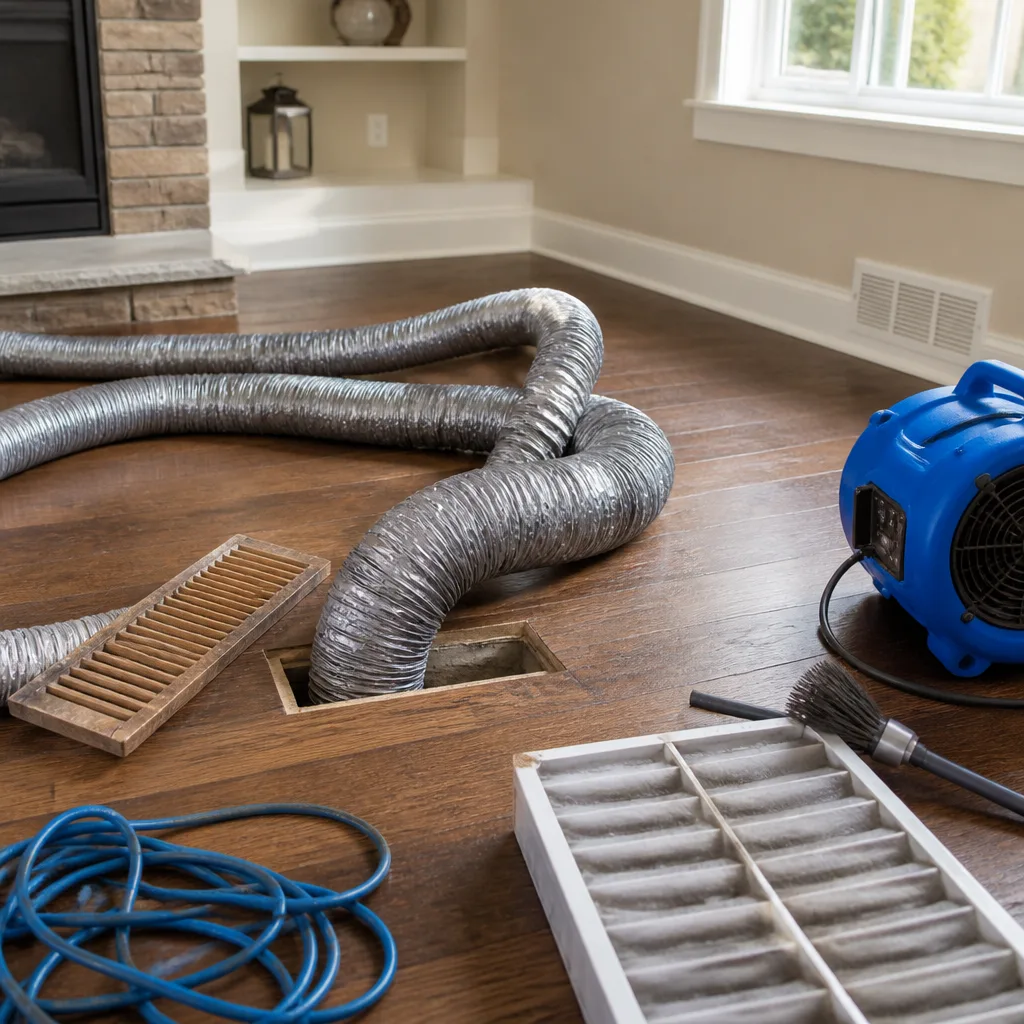 Whole-home duct cleaning
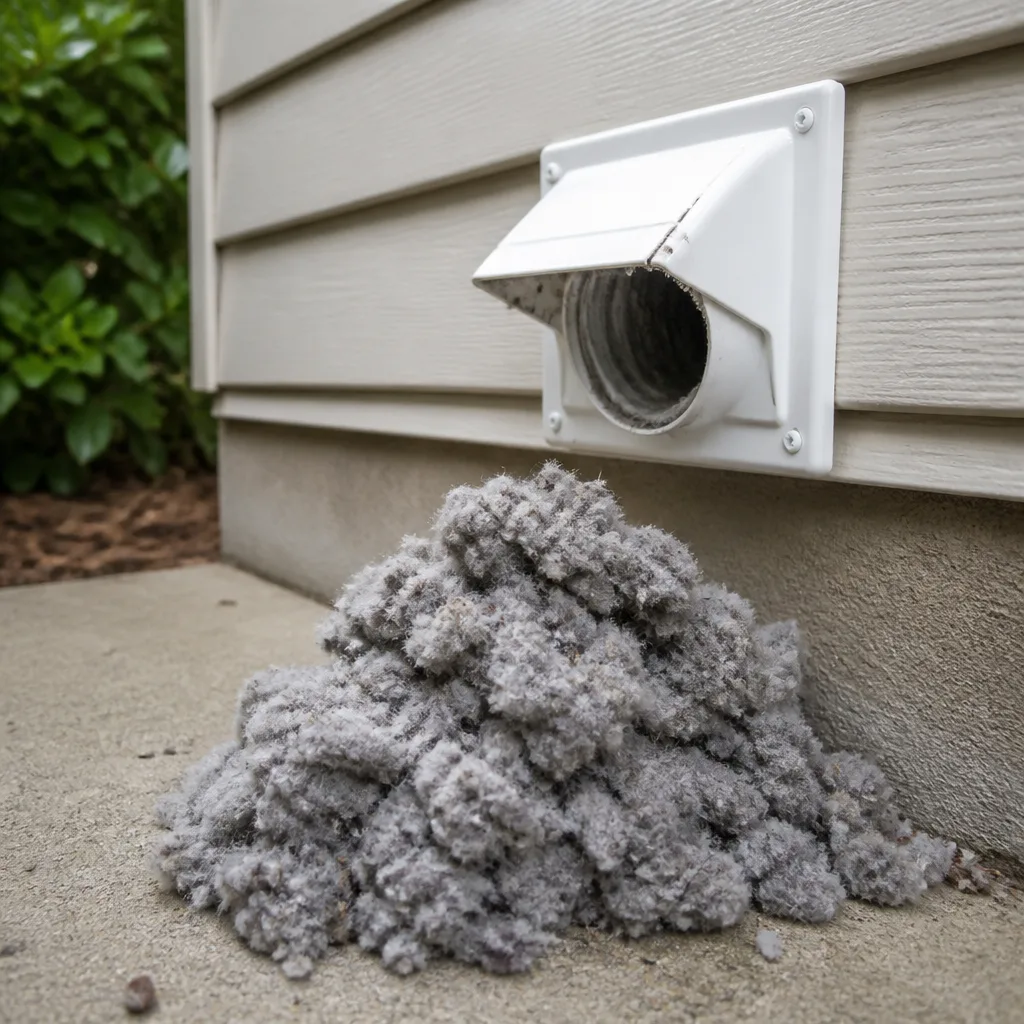 Dryer vent cleaning
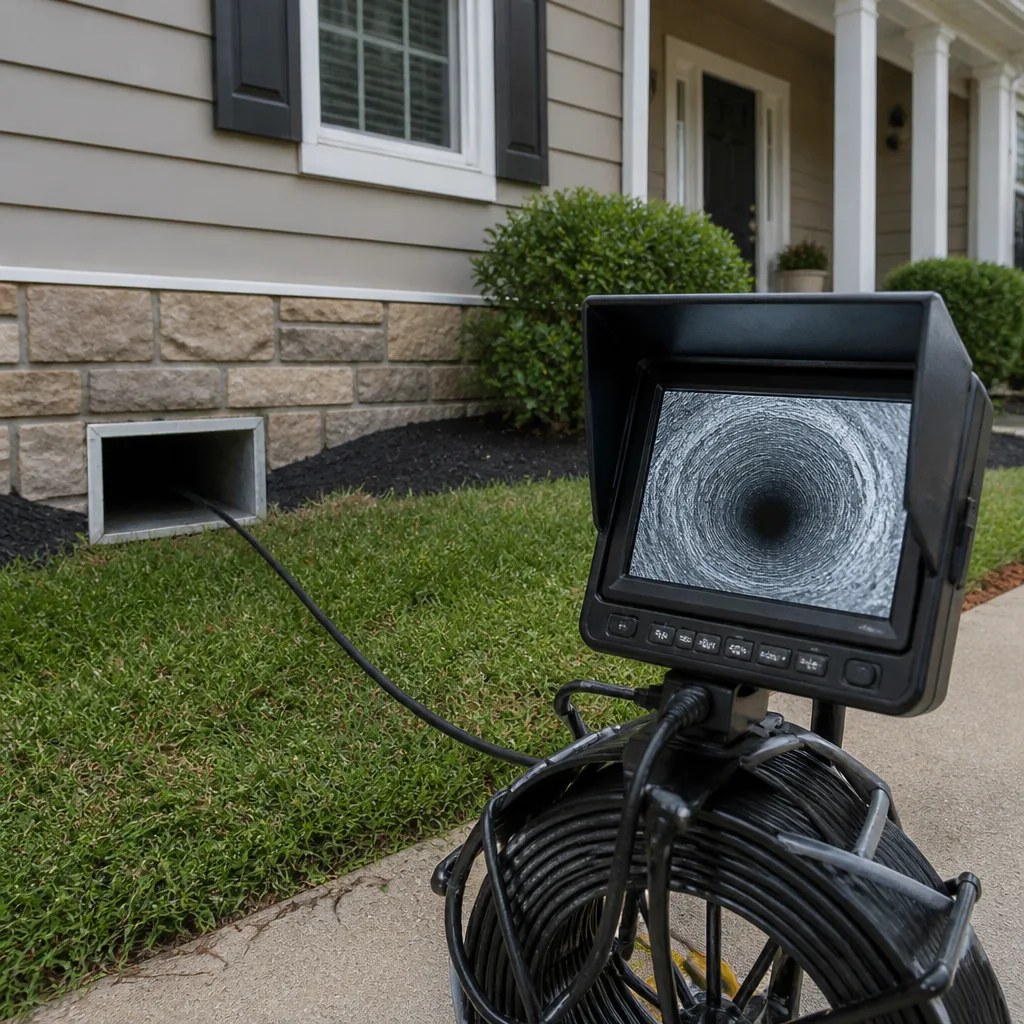 Camera inspection
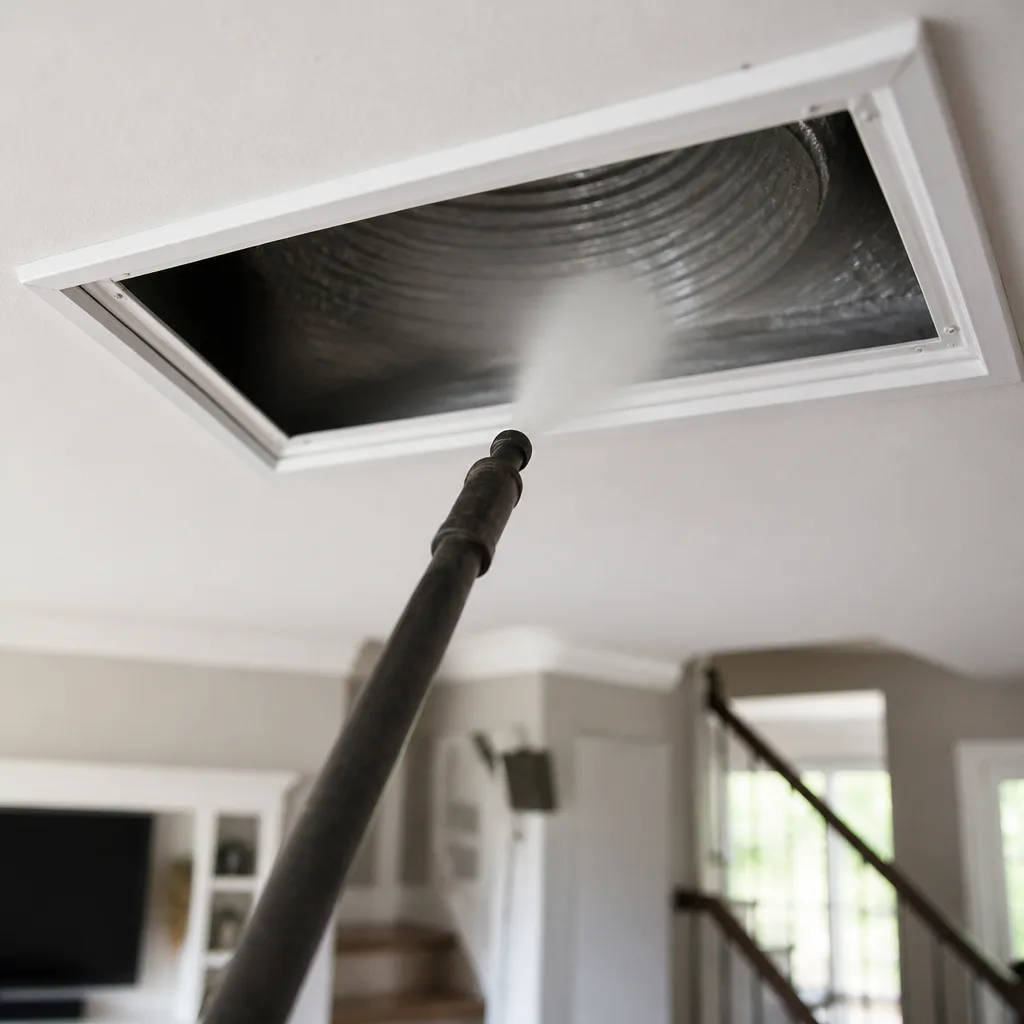 Sanitizing & deodorizing
Whole-system duct and dryer vent check with before-and-after photos - you see exactly what came out of your vents
That "$99 whole-house special" is a bait ad - the real number appears once they are in your hallway, or the "clean" is a shop-vac at the register. We photograph the inside of your ducts before and after instead.
Air Duct Cleaning Maintenance Schedule: What to Do and When
Most homeowners treat duct cleaning like a fixed appointment: every three to five years, no matter what. That interval isn’t wrong, but it’s a national average, and a national average has never lived in your house. Lakeland’s air conditioning systems run close to ten months a year, roughly twice the runtime of a home in a northern climate, so the calendar rule that works up north reads differently here. In this guide, we’ll replace the generic timeline with a decision-based schedule built around runtime, pet load, renovation history, duct material, and the specific triggers that should override any calendar at all.
Quick Answer
In Florida, most homes need professional air duct cleaning every three to five years, but that window compresses to roughly every two to three years in homes with pets, recent renovations, or year-round AC use. The dryer vent runs on its own clock and should be inspected annually. Between professional visits, filters and self-checks keep a system from degrading faster than the schedule expects.
Styles & brands we work with
- Whole-home duct cleaning
- Dryer vent cleaning
- Camera inspection
- Sanitizing & deodorizing
Table of Contents
- Why a Three-to-Five-Year Rule Doesn’t Fit Florida
- The Decision-Based Schedule: What Shortens or Extends the Interval
- Five Triggers That Override Any Calendar
- The Dryer Vent Schedule Is a Separate Track
- What to Do Between Professional Cleanings
- How to Document Your System’s Condition After Each Cleaning
- Common Mistakes to Avoid
- When to Call a Professional
Why a Three-to-Five-Year Rule Doesn’t Fit Florida
Most national duct cleaning recommendations assume a system runs maybe five or six months a year. In central Florida, your air handler is working most of the calendar. Ten months of runtime means your system moves roughly twice the air of a northern home in the same span of time, and every cubic foot of that air carries the dust, pollen, and dander that settles along the duct walls.
Particulate accumulation is a function of air volume and filtration quality, not just age. A duct system in a home running ten months a year is essentially on year two of a northern schedule by the time twelve months have passed. That’s the core reason the standard interval feels conservative to some Lakeland homeowners and dangerously long to others.
Here’s what actually accelerates wear inside your ducts:
- Runtime hours. More air moved means more dust deposited. Year-round cooling adds up fast.
- Duct material. Flexible insulated duct with its corrugated interior traps debris in the ridges. Sheet metal duct is smoother but still collects on seams and transitions. Fiberboard duct, common in older central Florida construction, can degrade and shed material into the airflow.
- Return-air design. A system with a single undersized return works harder, moves air faster through a smaller path, and pulls more particulate past less filter area.
- Filtration grade. A 1-inch fiberglass filter catches almost nothing. A pleated filter with a proper MERV rating catches far more. The gap between the two has more influence on duct condition than most homeowners realize.
- Household load. Pets, occupants with allergies, and recent construction debris all shorten the useful interval.
None of that means the 3-to-5-year rule is useless. It’s a starting point. The Lakeland-specific job is adjusting that starting point for the conditions that exist in your house, and the rest of this guide walks through exactly how. At Lakeland Duct Cleaning, we’d rather walk a homeowner through that math than sell them a cleaning their system doesn’t need yet.
The Decision-Based Schedule: What Shortens or Extends the Interval
A decision-based schedule means asking a set of questions about your specific home, then adjusting the interval up or down based on the answers. In our experience, most Lakeland homes land somewhere between two and five years once the variables are accounted for.
Start with the baseline: three to five years for a typical central Florida home with a working filtration system. Then apply the modifiers.
Variables that shorten the interval
- Pets in the home. Dander and hair load a filter and a duct system faster than any other single factor. Homes with two or more shedding pets often need service on the shorter end of the range.
- Recent renovation. Drywall dust, sawdust, and construction debris get pulled into returns almost immediately. A renovation inside the duct system’s lifespan usually means moving your next cleaning up.
- New construction or a recent move-in. A new build carries construction debris. An older resale often carries years of unknown history. Both justify a first cleaning sooner rather than later.
- Visible dust at supply registers. A line of dark dust around a grille usually means the duct behind it is loaded.
- Allergy or respiratory diagnosis in the household. When someone in the home is newly dealing with allergy or respiratory symptoms, filtration and duct condition become more consequential, and the interval should reflect that.
- Undersized or blocked returns. A system starved for return air moves fast, dirty air and often needs attention more often.
Variables that extend the interval
- No pets, no recent renovations, and occupants with no allergy concerns.
- A well-sealed duct system, verified during a prior inspection, with no leaks at joints or boots.
- A higher-grade filtration setup, such as a media cabinet compatible with air duct cleaning strategies that emphasize source capture rather than just gross debris removal.
- Ductwork recently cleaned and documented, with photos and a written record on hand.
The point is not to obsess over the exact number. The point is to stop letting a national average make the decision for a house that runs its AC ten months a year. Most Lakeland homes benefit from treating three years as the working default and adjusting from there.
Five Triggers That Override Any Calendar
Calendar intervals are a lane, and triggers make you change lanes. These five conditions mean it’s time for an inspection regardless of how recently the ducts were cleaned.
- Recent renovation. Drywall, framing, flooring, and cabinetry all generate fine particulate that gets sucked straight into returns. Even a small bathroom or kitchen remodel can push enough dust into a system to justify an inspection. If the renovation involved cutting into ceilings or a full-room gut, treat the duct system as dirty until it’s been looked at.
- A new pet. A new dog or cat adds dander faster than most people expect, and it’s not just about the hair you can see. If the household has never had an animal, the ducts have been living in an easier environment until now.
- New allergy or respiratory diagnosis. When someone in the home is diagnosed with seasonal or year-round allergies, look at filtration and duct condition together. A higher-MERV filter and a professionally cleaned system help more than air purifiers alone in a home that circulates the same air through the same ducts for ten months.
- Visible mold at registers. Any visual evidence of mold around a supply or return is a stop-and-inspect situation. It could mean condensation on a cold duct in a humid attic, a leak, or inadequate insulation. Duct cleaning alone is not mold remediation, but a professional inspection is the right first move to figure out what’s actually happening.
- Persistent musty odor at specific registers. A smell that follows specific rooms rather than the whole house usually points to one or two sections of duct. That’s a repair and cleaning question, not a whole-system replacement question, and it deserves a look.
In humid central Florida, moisture and duct material interact in ways they don’t in dry climates. Flexible duct in a hot attic under a leaky air handler can accumulate condensation that feeds biological growth. That’s why visible mold is a top-tier trigger here, not a minor note. If your system has been running without a check for years and you’re seeing any of these signs, call (855) 360-9053 for a free estimate before another summer passes.
The Dryer Vent Schedule Is a Separate Track
Air ducts and dryer vents share a schedule more often than they should. They’re different systems with different stakes. A clogged dryer vent is a lint-fueled fire path, and the vent runs on an annual inspection cadence regardless of what the HVAC ducts are doing.
Here’s how we think about the two tracks:
- HVAC ducts: cleaned every three to five years in a typical Lakeland home, faster when the triggers above apply.
- Dryer vent: inspected every year, and cleaned whenever the inspection shows buildup. The short, straight vent run from a dryer to an exterior wall can still clog in heavy-use households, and a longer or more convoluted run clogs faster.
- Shared routing: if your dryer vents through the same attic space as the HVAC ducts, note both on your maintenance log so whichever technician comes next knows the layout.
Signs a dryer vent needs attention sooner than annual include a dryer that takes two cycles to dry a load, clothes that come out warmer than the load deserves, or a lint screen that fills up faster than usual. Any of those is a reason to call. dryer vent cleaning is one of the three services we run, alongside duct cleaning and repair, and it’s the one more homeowners skip until they notice a symptom.
One thing we see in Lakeland homes that surprises people: the exterior dryer vent flap is often screened or covered, which is fine, and often the run behind the dryer has a crushed or kinked transition duct. That transition is the actual bottleneck 90 percent of the time. A professional inspection catches it in under a minute.
What to Do Between Professional Cleanings
What you do between cleanings decides whether your interval holds or shortens. The decisions are mostly about filtration and the occasional self-check.
Filtration: the single most important variable
Change the filter on a schedule tied to its thickness and grade. A 1-inch pleated filter in a central Florida home running ten months a year generally needs changing more often than the package suggests. A 4-inch media filter in a compatible cabinet, the kind that pairs with Lakeland systems using Honeywell or Aprilaire media cabinets, lasts longer between changes and filters more of what would otherwise reach the ducts. Match the filter’s MERV rating to what your air handler can handle without restriction; pushing too high a MERV rating on a system designed for a low-restriction filter can stress the blower.
Self-inspection points you can check
- Supply registers. Look for dust lines, streaks, or dark residue around the grille fins.
- Return grilles. A return that’s visibly grayed with lint tells you more about filter condition than the filter itself.
- Around the air handler. Any dust accumulation at the platform, cabinet seams, or plenum insulation is worth noting.
- Accessible duct sections. If any duct runs are visible in the attic or garage, check for crushed, disconnected, or torn flexible duct.
- Filter fit. A filter that’s not seated correctly is worse than a dirty filter because it lets air bypass entirely.
What you can’t check yourself
The interior walls of the ducts, the condition of the plenum downstream of the air handler, and the state of the duct joints hidden above drywall aren’t reachable without proper access and equipment. That’s exactly the layer a professional-grade cleaning looks at. Anything about actual biological growth inside the ducts needs a professional look, not a homeowner’s flashlight.
If you’re using Apraiare or Honeywell hardware already, you’re a step ahead. Our technicians have up to 8 years of experience with the standard residential air quality infrastructure most central Florida homes already use, and we work inside that infrastructure rather than around it.
How to Document Your System’s Condition After Each Cleaning
Most homeowners walk away from a duct cleaning with nothing but a receipt. That’s a problem, because every future homeowner and every future technician starts from zero without a baseline. A short written record changes that.
Ask for and keep the following after every professional visit:
- Before-and-after photos of your own ducts. A photo of a return plenum or a flexible duct interior before cleaning, and the same spot after, shows exactly what was removed. Photos of your ducts, not stock images.
- A written summary of what was cleaned. Which supply and return runs, the air handler, and any accessible plenum sections. If a section was skipped because it wasn’t accessible, it should say so.
- Condition notes on duct material and repairs. Any deteriorating flexible duct, disconnected joints, or previously repaired sections deserve a note. These are the sections that will need attention again first.
- The dryer vent inspection result. Builtup amount, the condition of the transition duct, and the exterior termination flap check.
- Filtration spec. The filter size and MERV rating installed at service time, so the next homeowner knows what the system was balanced for.
We photograph the ducts we clean and provide a record a homeowner can hold onto. That record is what lets the next technician walk in with context and check on the same sections instead of starting from a sales pitch. Ask for it if you’re comparing providers. A company that can’t produce before-and-after photos of your ducts didn’t open them.
Common Mistakes to Avoid
- Treating the 3-to-5-year rule as a fixed calendar. It’s a starting point, not a schedule. A Lakeland home with two dogs, a recent renovation, and a household allergy sufferer may need service in two years. A quiet home with a media filter cabinet may stretch to five. Ignore the modifiers and you’re guessing.
- Skipping the dryer vent because the HVAC ducts were just cleaned. The two systems are unrelated, and the dryer vent is the one with a fire risk attached. Put it on its own annual inspection cadence, no matter what the duct schedule says.
- Assuming a cleaning solves duct damage. Cleaning removes debris. It doesn’t reconnect a disconnected joint, replace deteriorated flexible duct, or repair a crushed run. If the ducts are damaged, they need repair, and cleaning a damaged system doesn’t fix the leak that let the debris in to begin with.
- Buying a “blow-and-go” cleaning to save time. A cleaning that air-washes debris loose without physically contacting the duct walls leaves most of it behind. Look for contact cleaning, where the technician scrubs the walls rather than just pushing air through.
- Running too high a MERV filter on an air handler that can’t handle the restriction. A filter that strains the blower reduces airflow and accelerates problems. Match the filter to the equipment, and check with a technician if you’re unsure of the right rating.
- Never asking for photos. A before-and-after record of your own ducts is the only way to verify the work happened. If a provider can’t show you what they removed, that’s the answer to the question.
- Ignoring a persistent musty smell at one register. A smell localized to one or two rooms often points to a specific section of duct, not the whole system. That section may be wet, torn, or disconnected. Ignoring it lets a fixable problem grow.
When to Call a Professional
Call a professional when the answer to your next step isn’t on the surface anymore. That means visible dust buildup at multiple registers, a recent renovation that cut into ceilings or floors, a new pet or a new allergy diagnosis in the household, any visible mold around a supply or return, a dryer that’s taking longer than it used to dry a load, or flexible duct you can see crushed or torn in the attic or garage. If you’re past five years since the last documented cleaning, put an inspection on the calendar before another summer.
The equipment matters when the ducts open up. Our team uses Rotobrush rotary contact cleaning and Nikro professional equipment, runs Abatement Technologies HEPA filtration during service to capture what’s dislodged, and knows the Honeywell and Aprilaire components already installed in most Lakeland homes. We also handle duct repair, so a cracked joint or crushed run gets addressed in the same visit as the cleaning instead of needing a separate contractor. Estimates are free and the price is set by the written estimate before anything starts.
Lakeland Duct Cleaning offers free estimates in Lakeland – call (855) 360-9053. We answer 24/7. Fast dispatch from 7am to 7pm, Sunday through Friday.
See the difference
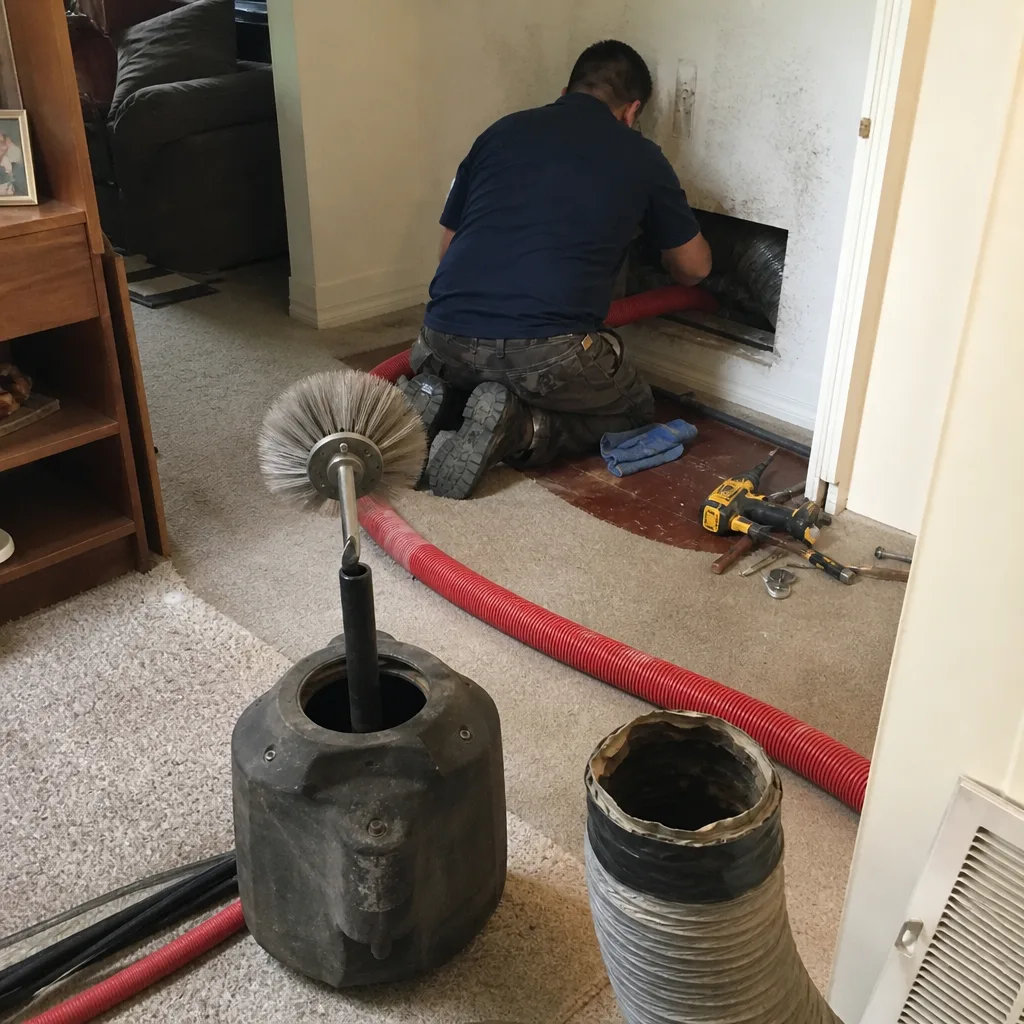 Before
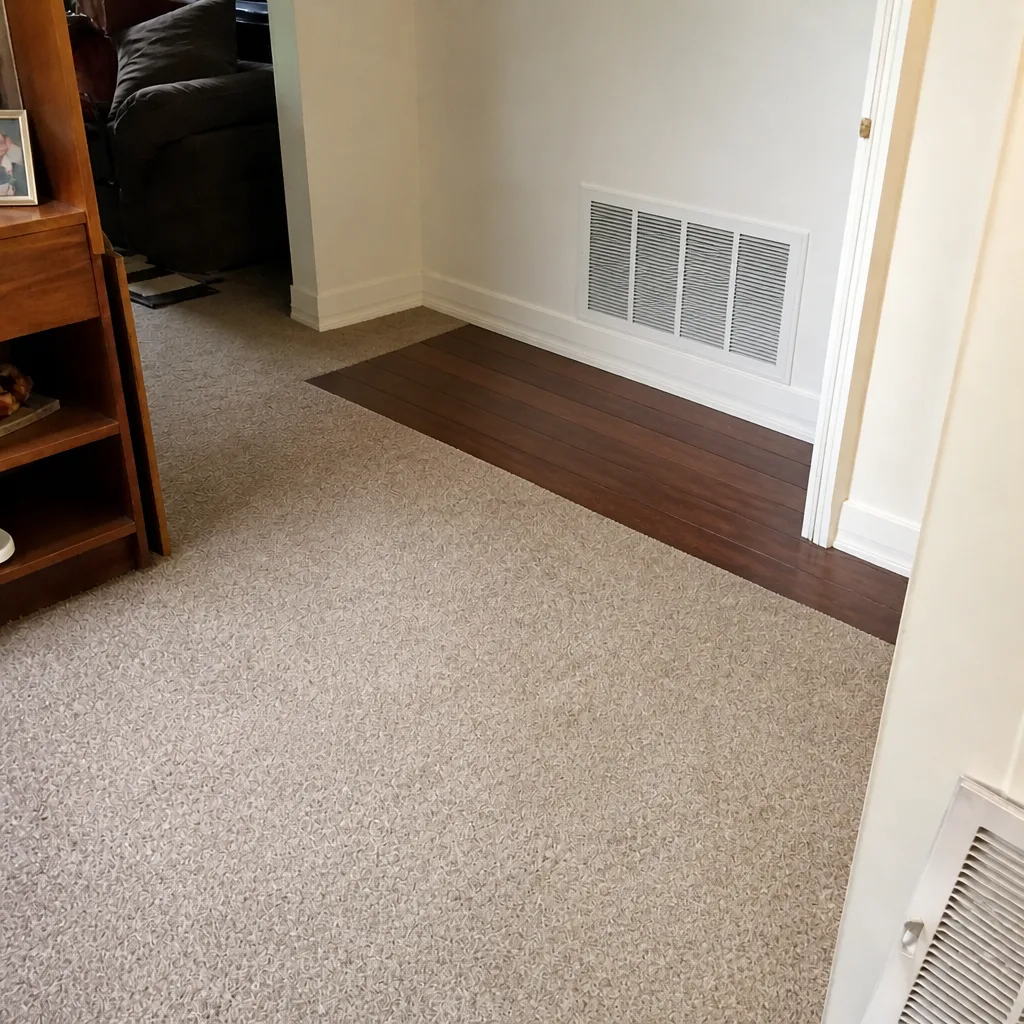 After
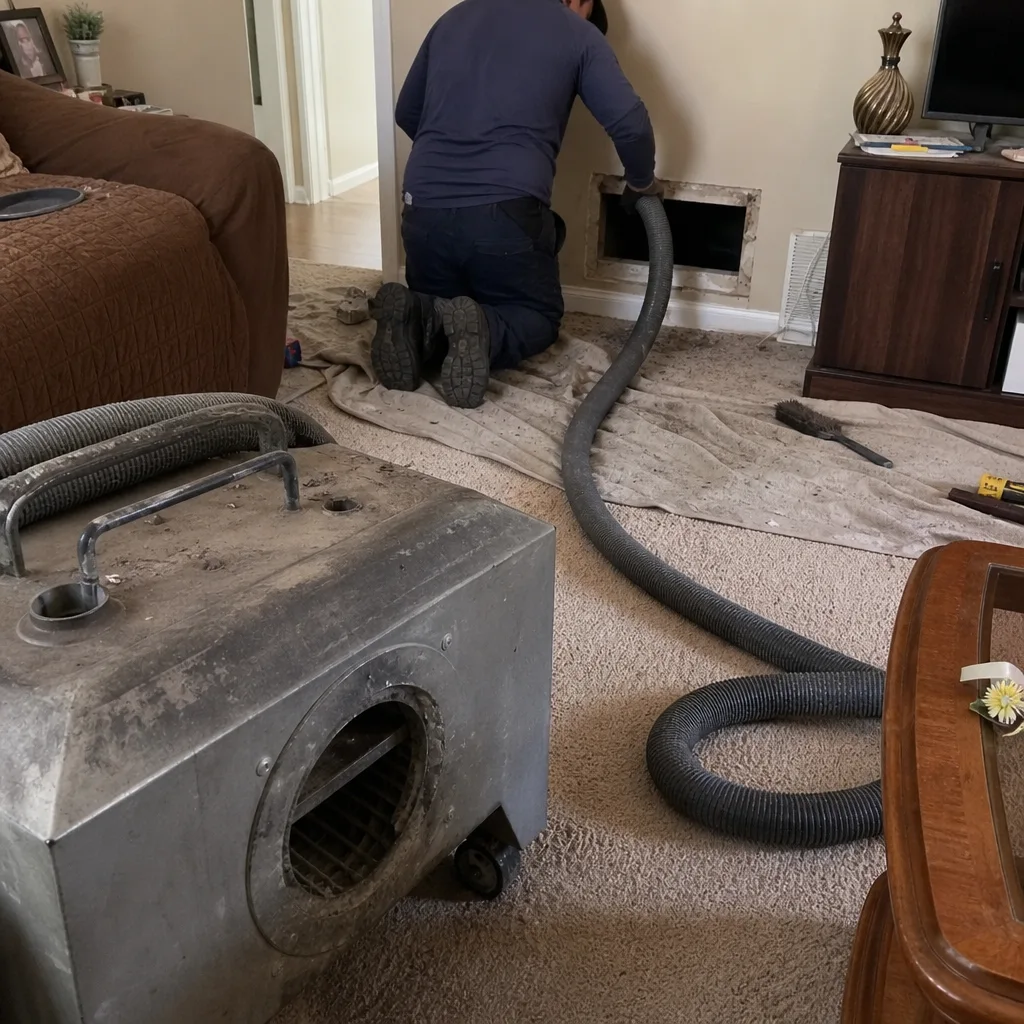 Before
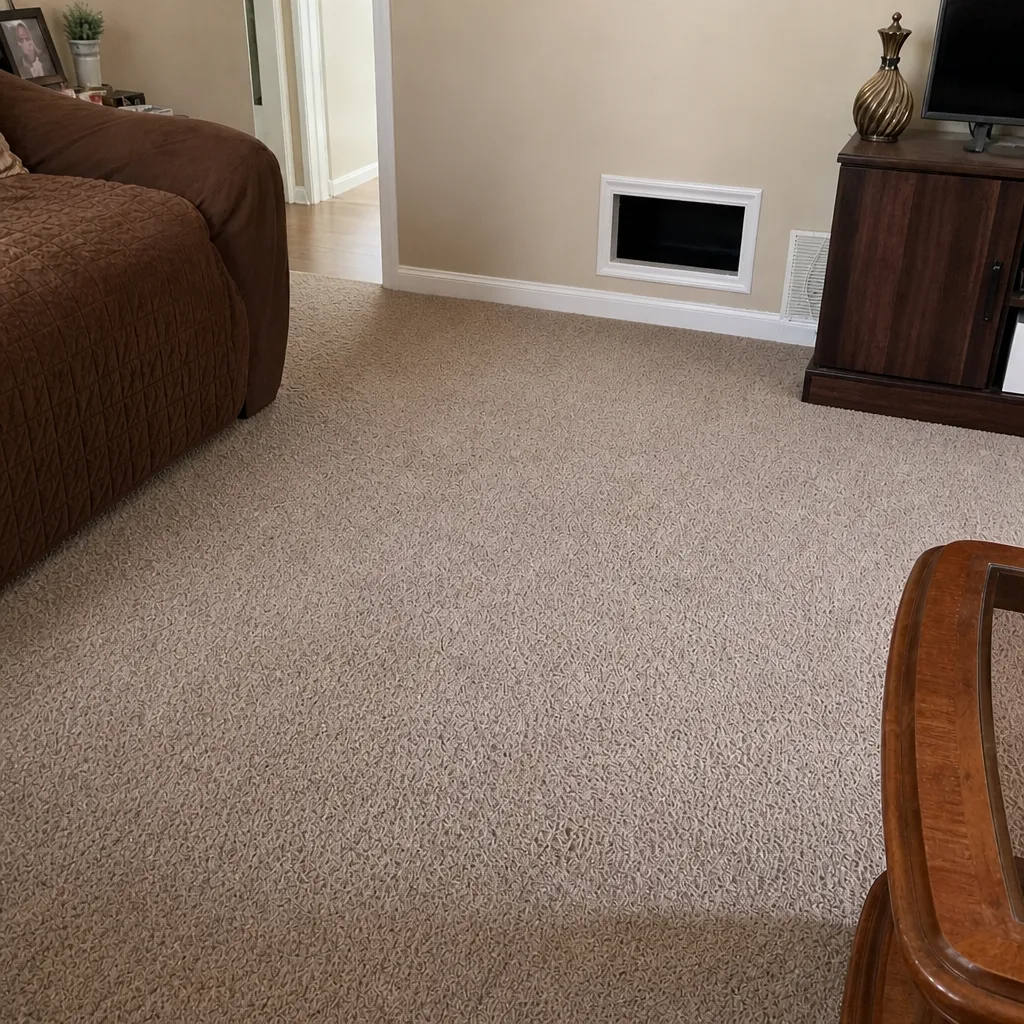 After
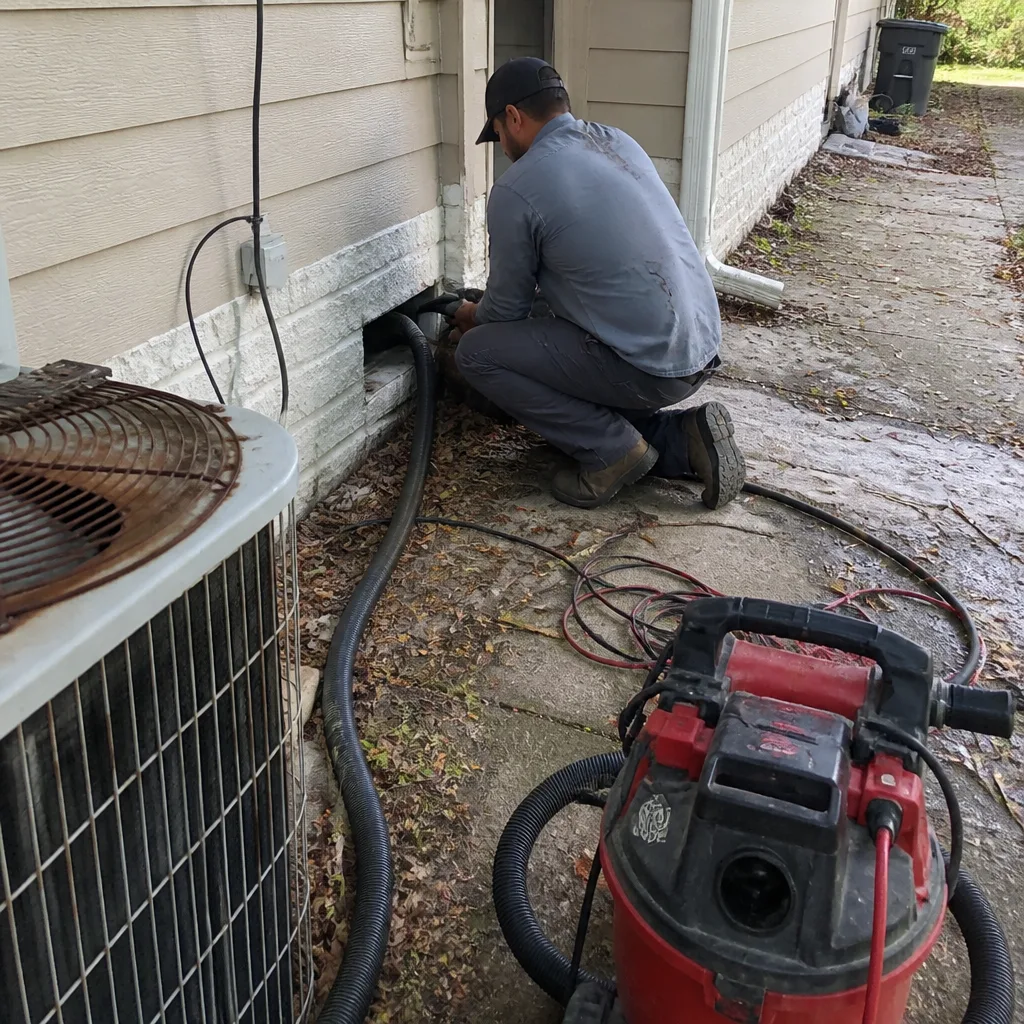 Before
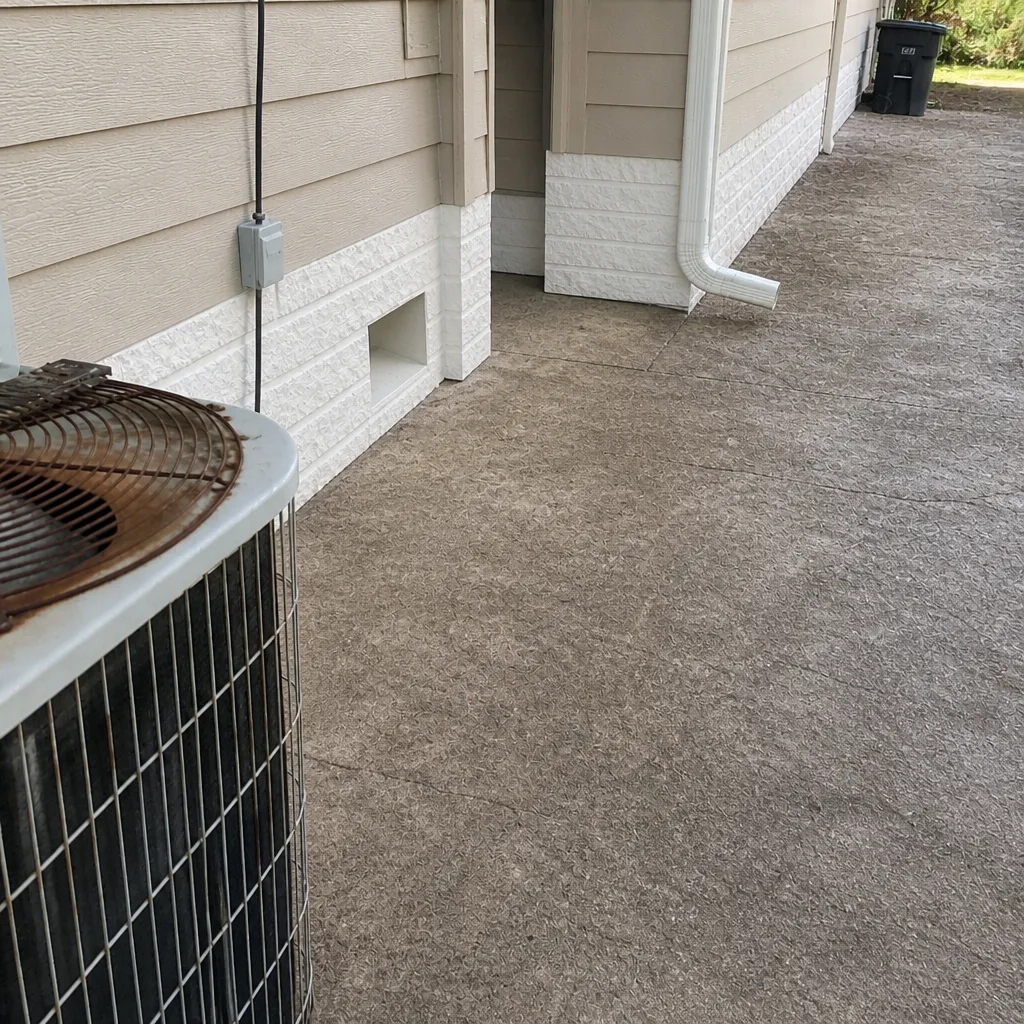 After
Frequently Asked Questions
Every three to five years for a typical home, but plan on the shorter end if you have pets, a recent renovation, or year-round occupants with allergies. Florida systems run close to ten months a year, so they accumulate dust faster than the national average suggests. Call (855) 360-9053 for an estimate – estimates are free.
Usually yes, and sooner than you’d think. Drywall dust and construction debris get pulled straight into return ducts, and the longer it sits, the more of it settles into the duct walls and seams. An inspection after any renovation that generated significant dust is the right move, especially if the work cut into ceilings or floors.
Inspected every year, and cleaned whenever the inspection shows buildup. Heavy laundry use, long vent runs, or a vent that passes through an attic can shorten the interval. Signs it’s overdue include a dryer that needs two cycles to dry a load and clothes that come out hot. Call (855) 360-9053 to get a dryer vent inspection on the calendar.
Ask for before-and-after photos of your own ducts – not stock images – plus a written summary of which runs and components were cleaned. A professional operation can show you exactly what was removed. If a provider can’t produce photos of your system, that answers the question.
Cheap quotes usually reflect a smaller scope: a hose run into a few registers rather than contact cleaning of the whole system. A blow-and-go cleaning air-washes loose debris without physically scrubbing duct walls, so most of it stays behind. The cost difference reflects the equipment and the scope, not a bargain.
Cleaning removes debris from the interior of the duct system. Repair addresses physical problems – disconnected joints, crushed or torn flexible duct, deteriorating material – that cleaning alone can’t solve. If your ducts are damaged, cleaning them without repairing them is treating a symptom. Call (855) 360-9053 and we’ll tell you which one your system actually needs.
The Bottom Line
A fixed three-to-five-year rule is a reasonable starting point and a poor final answer. The right schedule for your Lakeland home is the one adjusted for your runtime, your filtration, your duct material, and your household load. Treat the HVAC ducts and the dryer vent as two separate tracks, inspect the system after renovation or a new pet, ask for photos and a written record every time, and use the between-visit window to keep filtration honest. That combination replaces the calendar guess with a schedule that actually fits the house.
Call (855) 360-9053 for a free estimate. We answer 24/7. Fast dispatch from 7am to 7pm, Sunday through Friday.
Written by the team at Lakeland Duct Cleaning.