
Last updated November 15, 2026
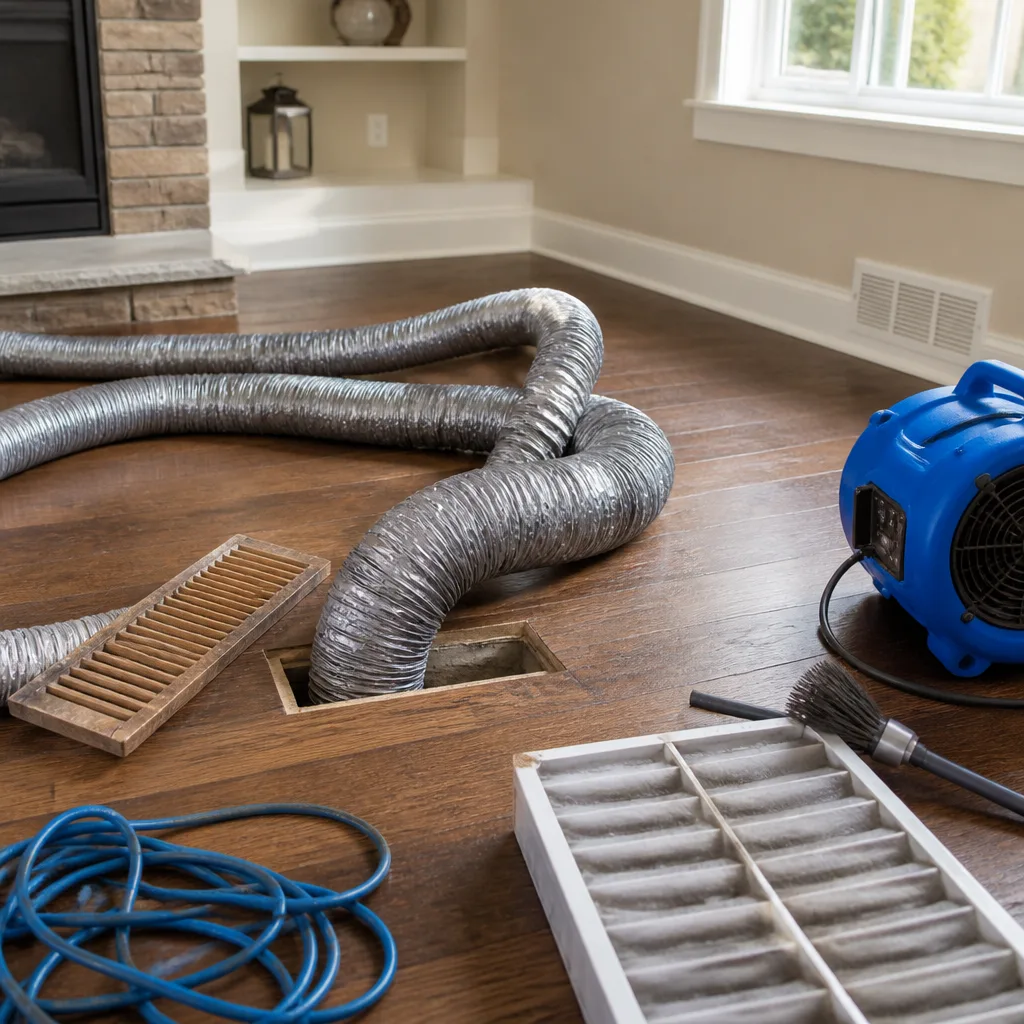 Whole-home duct cleaning
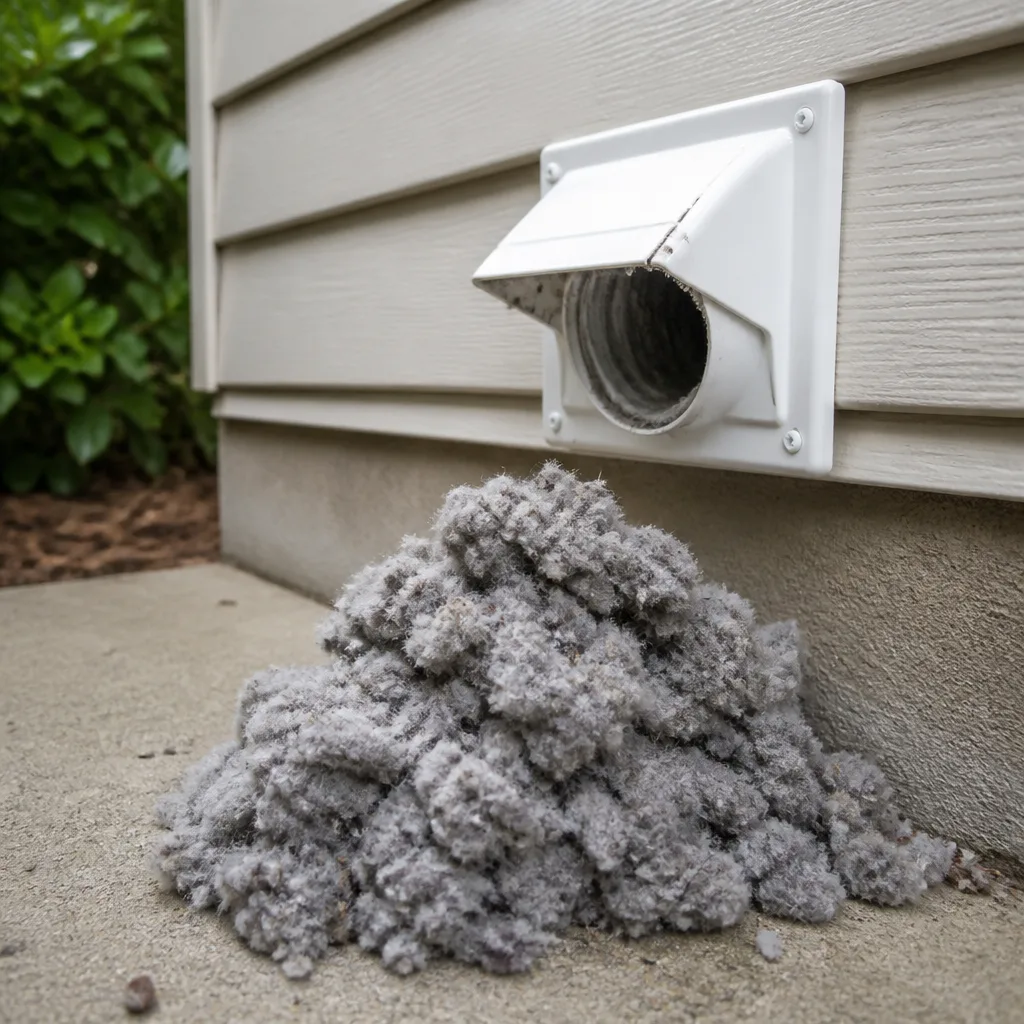 Dryer vent cleaning
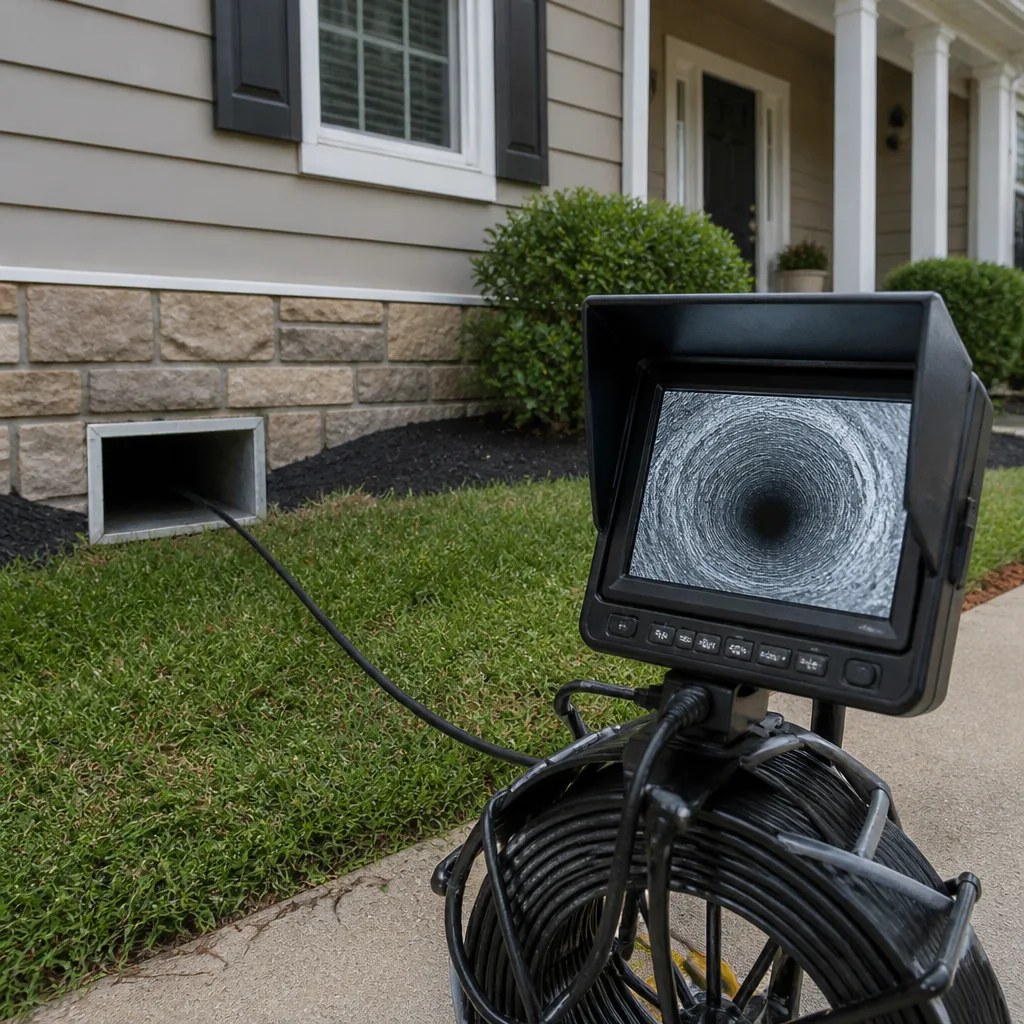 Camera inspection
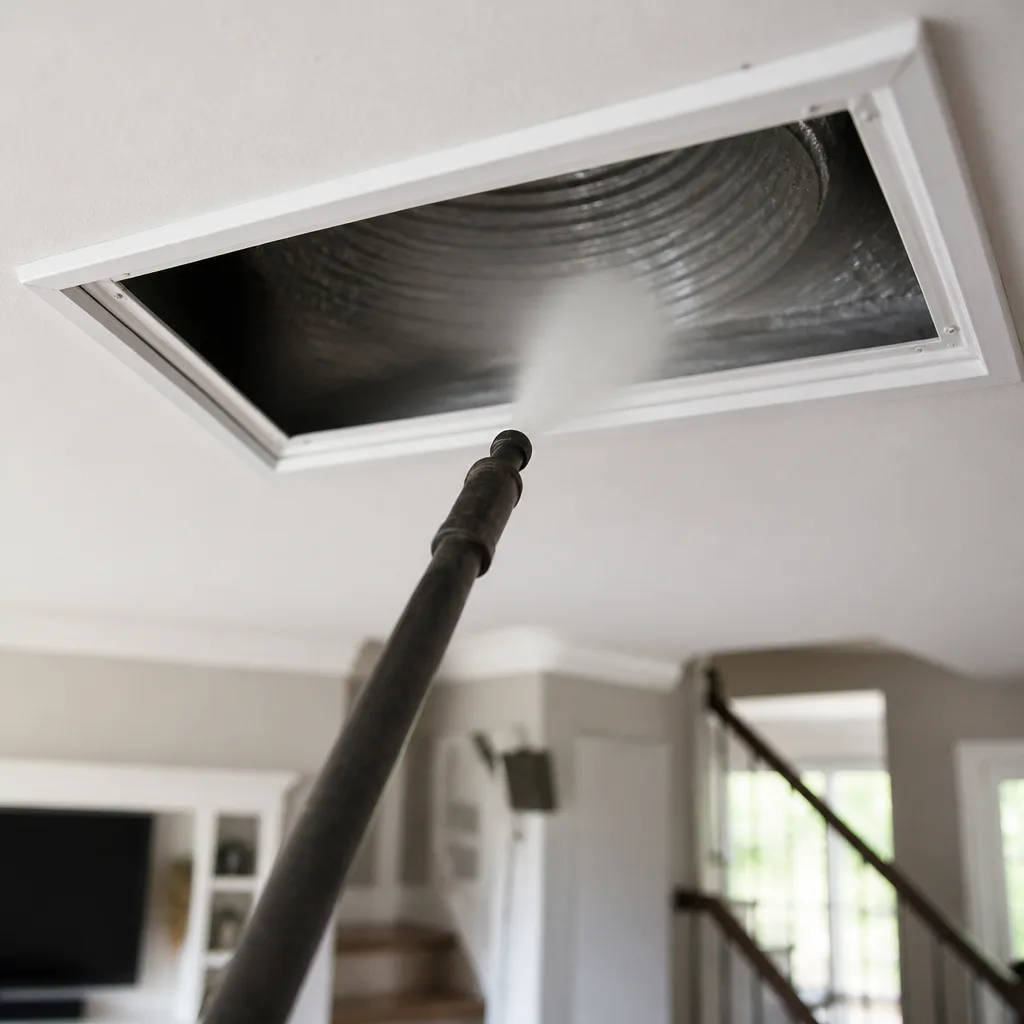 Sanitizing & deodorizing
Whole-system duct and dryer vent check with before-and-after photos - you see exactly what came out of your vents
That "$99 whole-house special" is a bait ad - the real number appears once they are in your hallway, or the "clean" is a shop-vac at the register. We photograph the inside of your ducts before and after instead.
Air Duct Cleaning Warning Signs: A Lakeland Homeowner’s Reference Guide
Most homeowners expect the warning signs to be obvious. A visible cloud of dust. A smell you can’t ignore. But in our experience, the signals that matter most in a Lakeland home are quieter than that, and they often look like something else entirely. A power bill that crept up during a mild month. A bedroom that runs three degrees warmer than the hallway. A faint condensation ring on a supply register that looks like a humidity quirk. This guide walks through the early indicators, in the order they tend to appear, so you can tell the difference between a filter problem, a cleaning problem, and ductwork that’s actually damaged. By the end you’ll know what to check yourself and what needs a closer look.
Quick Answer
The most common air duct cleaning warning signs in Lakeland are a musty or damp smell that returns after cleaning the filter, visible dust streaks around supply registers or returns, uneven room temperatures, condensation on supply registers, higher electric bills during months when outdoor temperatures haven’t changed much, and visible debris or lint near return grilles. Some of these point to a routine cleaning need. Others, especially condensation and dust patterns near joints, point to duct damage that cleaning alone won’t fix.
Styles & brands we work with
- Whole-home duct cleaning
- Dryer vent cleaning
- Camera inspection
- Sanitizing & deodorizing
Table of Contents
- Early Warning Signs Most Homeowners Miss
- What a Rising Electric Bill Says About Your Ductwork
- Uneven Room Temperatures: Duct Restriction or Something Else?
- Why Condensation on Your Supply Registers Is a Warning Sign
- Normal Filter Dust vs. Dust That Means a Breach
- Reading the Smell: Duct Growth, Evaporator Coil, or Pest Intrusion
- When Signs Mean Cleaning, and When They Mean Repair
- How a Professional Duct Inspection Actually Works
Early Warning Signs Most Homeowners Miss
Ductwork doesn’t usually fail loudly. It starts with small changes in how the house feels and how the bills behave, and those changes get attributed to weather, age, or nothing at all. In a Lakeland home where the air conditioning runs for most of the year, those small changes compound. Here are the early indicators we hear about most often, and why they matter.
- A damp smell that comes back within a week of changing the filter. Filters catch particulates. They don’t address growth on duct surfaces. If the smell returns, the filter wasn’t the source.
- Dust settling faster on horizontal surfaces near returns. Dust that gathers in the same room repeatedly, especially near a return grille, often points to a loose joint or a gap that’s pulling from an unintended space.
- Small temperature gaps between rooms. A bedroom that’s always a few degrees warmer than the living room is worth understanding before it becomes a bigger problem.
- Family members with recurring allergy symptoms concentrated indoors. Symptoms that ease when you’re away from home and return after a few hours back inside are worth a closer look at the air pathway, not just the filter.
- Recent move into an older property. Prior owners may have run the system for years without a full-system cleaning. We’ve seen ductwork in older Lakeland homes hold decades of accumulation that never showed up on a home inspection.
- Visible lint or debris inside a return grille. You shouldn’t be able to see accumulation on the duct interior through the grille. If you can, there’s more behind it.
One thing to note: none of these signs on their own proves a duct problem. What matters is how many of them you’re seeing at once, and whether any of them repeat. A single dusty register is worth cleaning. Four signs clustering together is worth investigating with professional equipment. Our technicians have up to 8 years of experience, and the pattern recognition that comes from repeated inspections is the thing that separates a real assessment from a guess.
What a Rising Electric Bill Says About Your Ductwork
This is one of the least-discussed indicators of airflow restriction, and in Lakeland it’s also one of the most financially meaningful. When outdoor temperatures hold steady from one month to the next, your electric bill should more or less hold steady too, adjusted for how much you’re home and how you use the thermostat. If the bill climbs during a run of consistent weather, the system is working harder to move the same air. Restricted or leaking ductwork is a common reason.
Here’s the mechanism. A duct system is a pressure network. Supply ducts deliver conditioned air into rooms. Return ducts pull it back. When the passage narrows from accumulation on duct walls, the blower has to push harder to move the same volume. When there’s a leak at a joint or disconnection, the system loses conditioned air into an unconditioned space (an attic, a wall cavity, a garage ceiling), which means more run time to hold the set temperature. Both problems show up on the meter before they show up anywhere else.
How to Read Your Bill Honestly
- Pick a month where outdoor temperatures were close to the previous month.
- Compare the total to the same month one year earlier, not the month before. Seasonal patterns are more reliable year over year.
- Multiply the change by your effective rate to see the real dollar difference.
- Rule out rate changes on the utility side before pointing to the HVAC system.
- If the bill is up 15% or more across a steady-weather stretch, and nothing else changed in the house, it’s worth a professional airflow check.
One caveat: a clogged filter, a failing blower, or an aging outdoor unit can all raise bills for reasons unrelated to the ductwork. That’s why airflow restriction deserves an actual inspection rather than a guess. When we assess a system, the goal is to separate duct causes from equipment causes so the homeowner isn’t paying to clean ducts they don’t need cleaned.
Uneven Room Temperatures: Duct Restriction or Something Else?
Uneven room temperatures are the most overinterpreted sign on this list. Homeowners often assume a warm bedroom means the ducts need cleaning. Sometimes that’s true. Often it isn’t. The honest answer is that a temperature gap has several possible causes, and the pattern of the gap tells you which one you’re dealing with.
The Patterns That Matter
- One room consistently warmer, always, all year. Usually a design or balancing issue. The supply may be undersized, or the run may be long and losing air along the way.
- One room warmer in the afternoon, cooler in the morning. Usually a solar gain issue, not ducts. West-facing rooms behave this way in Lakeland heat.
- Rooms far from the air handler worse than rooms close to it. More likely a restriction, a leak along the run, or a disconnected section in the attic.
- Gap worsens after filter changes and improves briefly. Points to accumulation on duct walls or a return path that’s partially blocked.
- Gap is worse on second floors and above garages. Common in Lakeland homes with attic ductwork, where long runs sit in hot attic space and lose conditioning through leaks.
What we usually do is measure supply airflow at each register and check the duct route between the air handler and the room in question. A restriction will show up as reduced airflow at the register. A leak will show up as airflow that reads normal at the register but still leaves the room uncomfortable because the actual delivered volume was lost along the way. Two different problems, two different fixes. Cleaning addresses the first. Repair addresses the second.
Why Condensation on Your Supply Registers Is a Warning Sign
In a Florida home, condensation on a supply register is easy to dismiss as a humidity quirk. Sometimes it is. But it usually isn’t just that. Condensation means the surface is dropping below the dew point of the surrounding air. There are only a few reasons that happens, and two of them are directly related to ductwork.
- The supply air is being delivered too cold. Restricted airflow across the evaporator coil drops supply temperature lower than it should be. The air reaches the register colder than the room’s dew point, and moisture condenses on the grille. Restricted airflow is often a duct problem.
- The duct is uninsulated or insulation has failed. Ducts running through an attic pick up heat, which should warm the supply air. When the insulation degrades or a section has been damaged, the temperature relationship flips and condensation can form on the register and the duct surface.
- Return air is drawing from a humid space. A crack or separation in the return pulling air from an attic or crawlspace brings in humid outdoor air that condenses when it hits the coil or register.
- Interior humidity is simply high. This is the case where it’s not about the ducts. A house running at high interior humidity has registers that sweat because the room itself is the problem.
Here’s how to narrow it down. If only some registers sweat and others don’t, the problem is likely at those runs (insulation or airflow). If every register sweats throughout the house, the interior humidity is probably the driver and the ducts may not be the issue. Either way, persistent condensation is worth inspecting. In our experience, unaddressed condensation in attic ductwork eventually leads to moisture in places you don’t want it, including insulation batt and wood framing. That’s a repair conversation, not just a cleaning one.
Normal Filter Dust vs. Dust That Means a Breach
Every home has dust. The question isn’t whether dust exists, it’s whether the dust is behaving normally or pointing at a problem. Normal filter dust is the light-gray accumulation on your filter and the fine film on horizontal surfaces that returns a week or two after you clean it. That’s the house. A breach pattern is different, and it’s usually visible in the location of the dust, not the quantity.
Signs You’re Looking at a Breach
- Concentrated dust streaks around a register frame. If the dust bursts out at the edges of a grille in a pattern rather than settling evenly, air is being pushed out from behind the grille, which means the seal has opened up somewhere upstream.
- Dust accumulation on the ceiling directly under attic ducts. Suggests a disconnected or leaky section above, dropping particles onto the drywall below.
- Fiberglass or insulation fragments caught in the return grille. This is a strong signal. Insulation fibers shouldn’t be entering the return path. Something is drawing from attic space.
- Dust that’s noticeably darker or grittier than usual filter dust. Could be construction debris, deteriorating duct liner, or debris from a disconnected section.
- Dust reappears within days of a full house clean. Not proof on its own, but combined with any of the above, it’s a strong indicator that particles are being actively introduced from the air pathway.
When we identify this pattern, cleaning is only part of the answer. If the ductwork has a disconnected section – which is more common than most homeowners expect in older Lakeland homes with attic-run flex duct – cleaning alone will never solve the dust problem. The system will be clean for a week, and then the same breach will reintroduce particulates. This is one of the reasons we handle air duct repair alongside cleaning. If the assessment reveals a breach, the estimate needs to cover the repair, not just the cleaning, or the problem comes back.
Reading the Smell: Duct Growth, Evaporator Coil, or Pest Intrusion
Homeowners often call about “a smell in the ducts” without knowing what they’re smelling. Each of the three common sources has a distinct profile, and knowing which one you’re dealing with saves time and money on the wrong service.
The Three Smell Profiles
- Microbial growth in the ductwork: Musty, damp, cellar-like. Often strongest in the first few minutes after the system starts. Fades over 15-20 minutes as air moves through, then returns the next time the system sits idle. Usually worse in the return ducts and near the air handler.
- Dirty evaporator coil: Similar musty note, but stronger at registers than in the rooms themselves, and often accompanied by reduced cooling capacity. Don’t assume coil cleaning is the fix without confirming with airflow readings. We don’t offer evaporator coil cleaning as a service, so if the coil is the source, we’ll tell you to bring in an HVAC technician who handles it.
- Pest intrusion: Sharp, acrid, or animal-like. Often more noticeable near return grilles in specific rooms. Sometimes accompanied by scratching at certain times of day. Points to a gap in the ductwork that animals can enter, which is a repair problem, not a cleaning one.
Two quick tests help distinguish them. First, does the smell change when you turn the system off? Microbial growth is amplified by airflow. Pest smells usually hang around at a steady level regardless. Second, does the smell change based on weather? Damp-weather intensification points to growth. Steady smell regardless of weather points to a pest or a compromised duct seal.
Once you’ve identified the profile, you’ll know whether the answer is a full-system cleaning, a repair, or a referral to an HVAC specialist for coil work. We only take on the work our equipment is designed for.
When Signs Mean Cleaning, and When They Mean Repair
The hardest call in this whole guide is the one homeowners most need answered: do these warnings mean you need a cleaning, or do they mean the ductwork itself needs to be fixed? Cleaning removes accumulation from intact duct walls. Repair addresses damage that cleaning can’t touch. The signs that point one way versus the other are pretty reliable once you know them.
Signs That Point to Cleaning
- Visible accumulation inside return grilles without evidence of leakage around them.
- Musty smell that intensifies after long idle periods but stabilizes during operation.
- Dust on horizontal surfaces that returns within two weeks after cleaning the house.
- Recent move into an older home where the previous owner may not have maintained ductwork.
- Family members with seasonal symptoms that correlate with time indoors.
Signs That Point to Repair
- Condensation that’s localized to specific registers, especially on attic runs.
- Fiberglass or insulation fragments caught in a return grille.
- Dust streaks concentrated around grille frames or at ceiling points below attic ducts.
- Airflow that reads weak at one register but normal at the next on the same branch.
- Animal sounds or pest smell concentrated in specific rooms.
- Visible sagging, disconnection, or collapsed sections in accessible ductwork.
In practice, most homes that show multiple warning signs need some of both. A full-system cleaning addresses what accumulation has built up. Repair restores the integrity of the network so that clean ductwork stays clean. This is why we assess before we quote. The written estimate you receive should be specific about what’s included in each part of the job.
How a Professional Duct Inspection Actually Works
A professional inspection is a straightforward process, but the equipment matters. Consumer-grade vacuums and shop vacs can’t agitate duct walls or contain what they dislodge. What a proper inspection and cleaning looks like with professional equipment is different, and it’s worth knowing what to expect so you can recognize a real assessment from a quick visual walk-through.
- System walk-through. Every supply and return register is opened and inspected individually. The air handler, plenum, and all accessible duct runs are checked.
- Airflow measurement. A meter is used to measure supply airflow at each register. Numbers are recorded so rooms with restricted or leaking runs stand out from rooms that are fine.
- Visual inspection of the duct interior. Using a camera on accessible runs, we check for accumulation, disconnections, pest evidence, and moisture. This is where repair needs are identified.
- Containment during cleaning. We deploy Abatement Technologies HEPA filtration to hold dislodged particulates inside the work zone. Without containment, anything dislodged during cleaning can end up back in the living space.
- Contact cleaning. Rotobrush rotary systems physically agitate duct walls to break accumulation loose from the surface. Nikro equipment handles extraction. Together, this is the standard for remediation-grade cleaning, not just blowing air through the system.
- Filter and component check. Existing filters are checked and reviewed. When systems use Honeywell or Aprilaire component brands, we confirm compatibility so the cleaning doesn’t disturb anything downstream.
- Before-and-after documentation. Photos of each duct run are taken before and after cleaning. This is the record that the work happened, and any homeowner should be able to see it.
If a repair is needed, the inspection findings tell us what the repair scope should look like, and it’s part of the same estimate. You shouldn’t have to guess whether the cleaning addressed the actual problem. When the assessment is done properly, the answer is clear and the estimate reflects it. To read more about the full-service side of that work, see air duct cleaning, or check how Lakeland homes typically get assessed during scheduling.
Common Mistakes to Avoid
- Assuming every bill spike is the ducts. Rate changes, aging outdoor units, and dirty filters can all raise bills. Do the airflow inspection before committing to duct work, or you’ll pay for the wrong fix.
- Hiring a service that quotes per register before seeing the system. Duct systems vary widely by size and layout. A per-register quote means the price is a guess, not an estimate, and the number will change once the technician is in the attic.
- Trusting “blow-and-go” cleaning. If the process involves nothing more than a shop vac and no agitation, nothing on the duct walls was actually cleaned. Contact cleaning is the difference. Rotobrush and Nikro equipment exist for a reason.
- Cleaning without containment. Without HEPA filtration deployed during the work, dislodged particles end up back in your living space. Ask how the company contains what the cleaning dislodges, and expect a specific answer.
- Cleaning ductwork that has a breach. If the duct is disconnected or damaged, cleaning makes it look clean for about a week, then the same breach reintroduces debris. The problem is the duct, not the dust.
- Ignoring a dryer vent because “it’s just lint.” Lint accumulation in a dryer vent is a fire risk, not a maintenance nuisance. It’s a safety service, and it’s worth handling before you notice performance issues. See dryer vent cleaning for the full scope.
- Reading the smell once and guessing. Musty smell has three common causes, and each requires a different service. If the smell profile doesn’t match microbial growth in ducts, cleaning won’t solve it. Ask for a proper assessment first.
See the difference
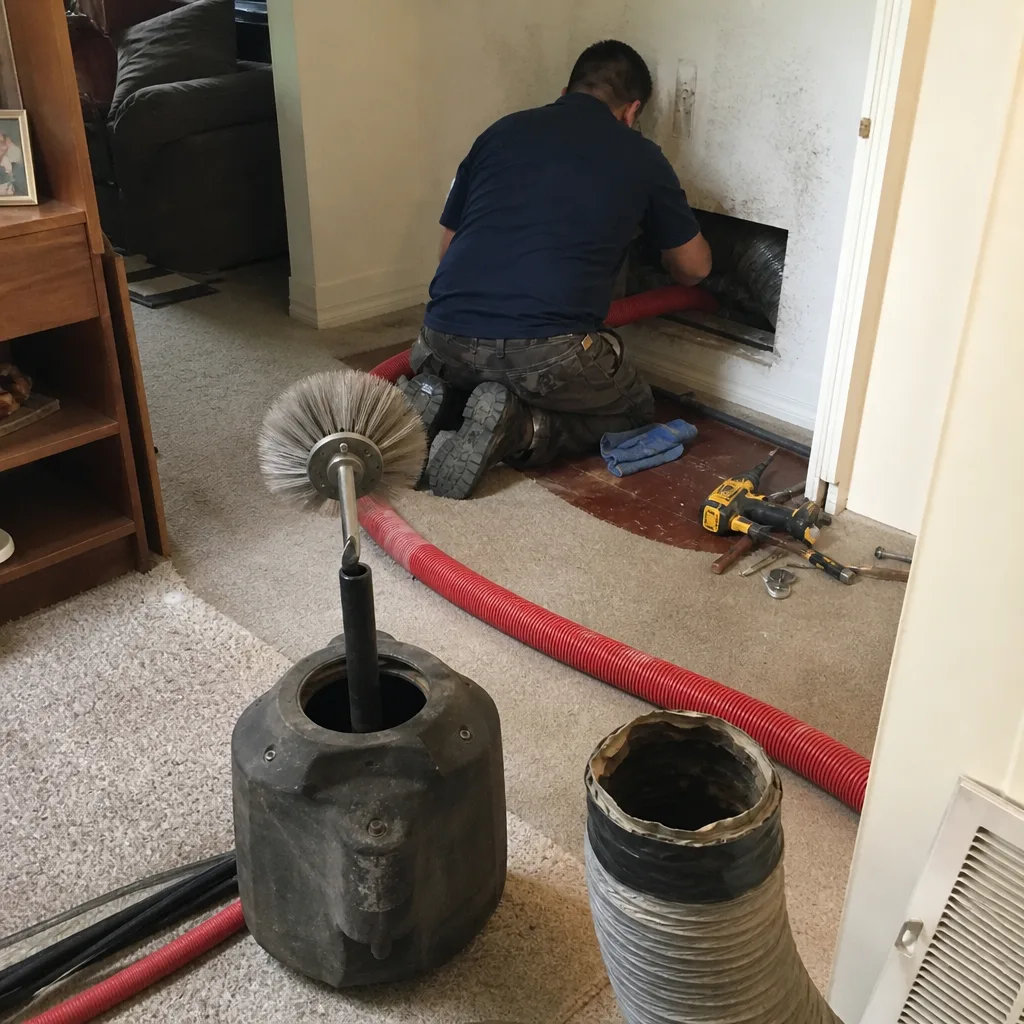 Before
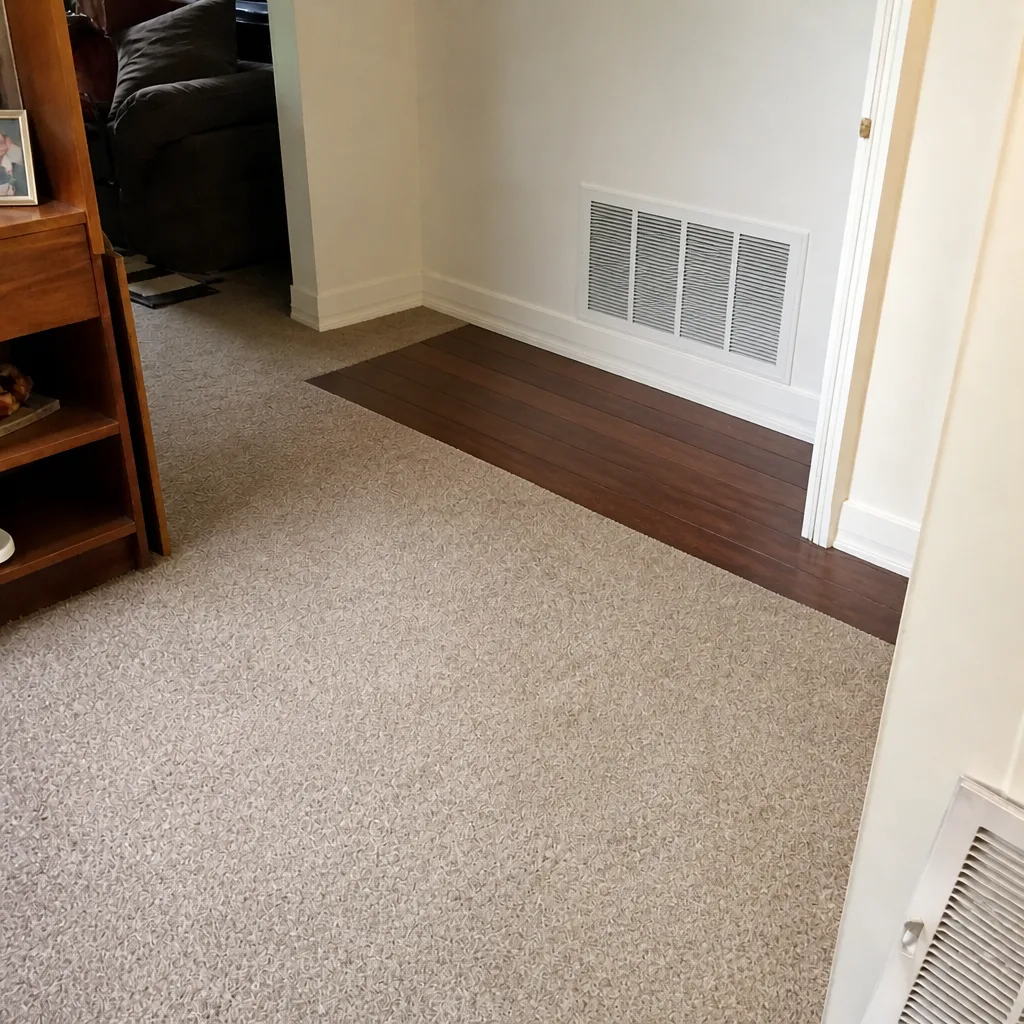 After
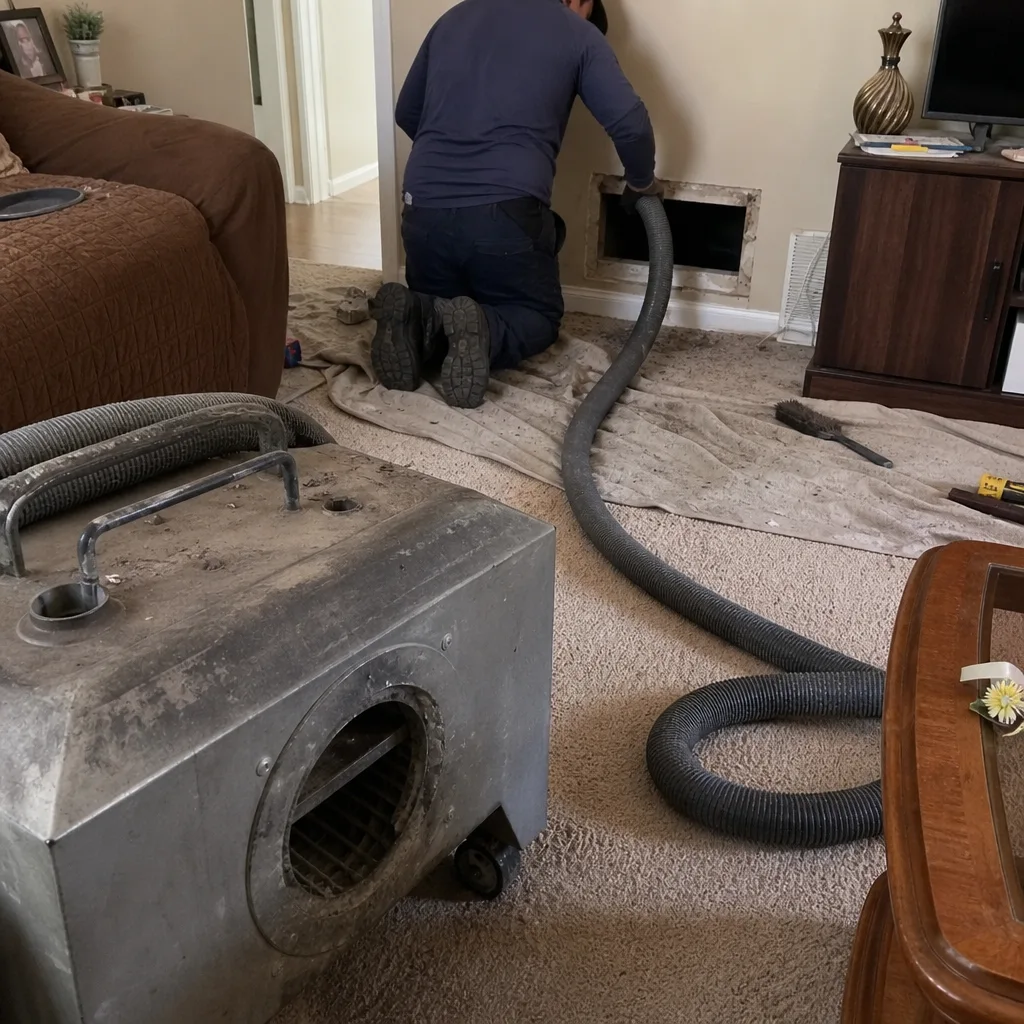 Before
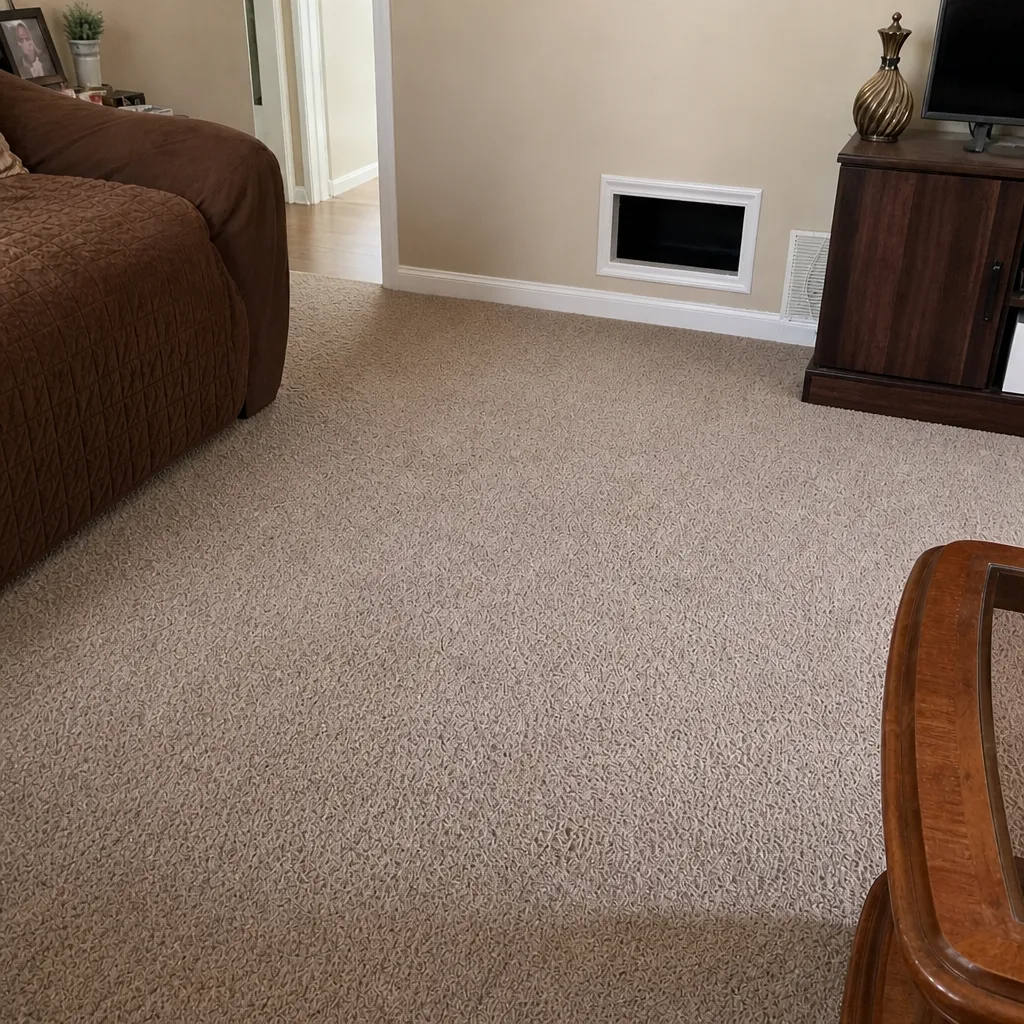 After
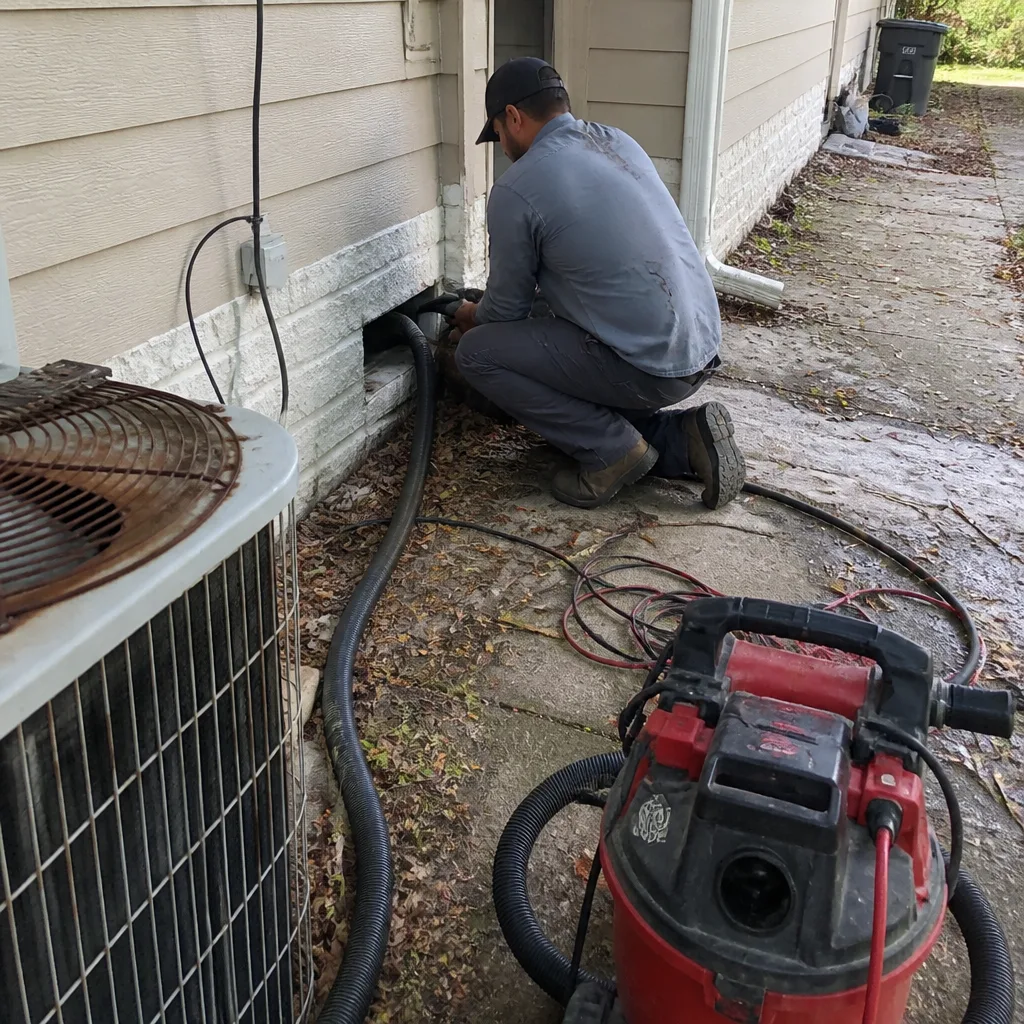 Before
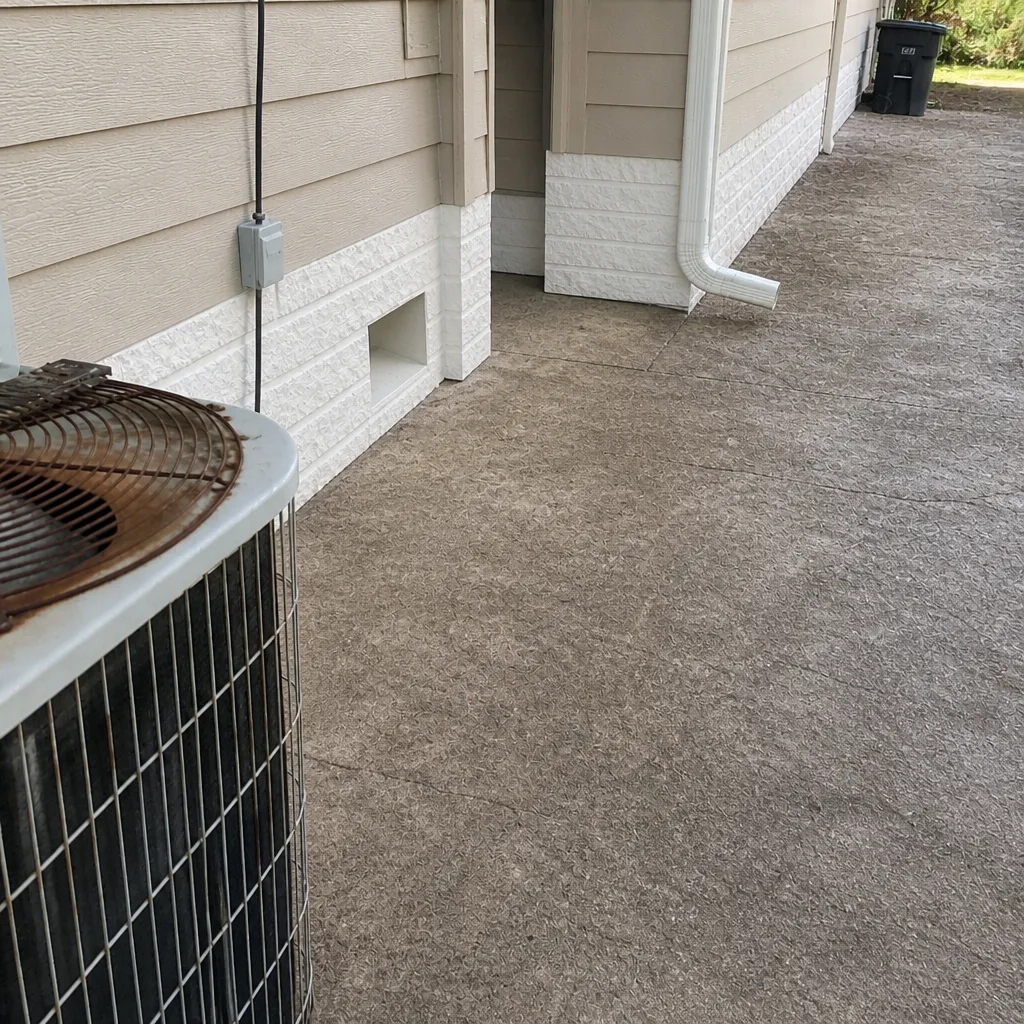 After
When to Call a Professional
You should call a professional when symptoms cluster rather than show up alone. One warm room, one dusty register, or one high bill is worth watching. Three or more signs together – especially any of these paired with condensation on a supply register – are worth a real inspection. Call if you’ve noticed a musty smell that returns after filter changes, dust streaks around registers, higher bills during steady weather, or visible debris inside a return grille. Call if you’ve just moved into an older Lakeland home and don’t know the history of the ductwork. Call if you’re not sure whether you’re seeing a cleaning need or a repair need, because the two deserve different responses. And call if your dryer vent hasn’t been examined in years. Lakeland Duct Cleaning offers free estimates in Lakeland – call (855) 360-9053. We answer 24/7. Fast dispatch from 7am to 7pm, Sunday through Friday.
Frequently Asked Questions
The price is set per job by the written estimate, not per register, and the estimate is free. Your system’s size, layout, and condition drive the number, and homes with attic-run flex duct take longer than single-story slab layouts because there’s more routing to inspect and care for. Call (855) 360-9053 for an exact quote – estimates are free.
Cheaper quotes usually mean fewer actual services. A per-vent price with no containment, no contact agitation, no photo documentation, and no repair scope isn’t a smaller version of the same job, it’s a different job that doesn’t solve the problem. Ask any company you’re considering these three questions: what equipment they use for agitation, how they contain what they dislodge, and whether you’ll get before-and-after photos. Call (855) 360-9053 for an exact quote – estimates are free.
You should see before-and-after photos of every duct run, plus airflow readings at the registers from the inspection. Any legitimate company will provide them without being asked, because the record is what confirms the work happened. If you’re being asked to take it on faith, that’s the sales pitch, not the assessment. Call (855) 360-9053 for an exact quote – estimates are free.
Not on a fixed calendar. It depends on the home, the filter discipline, pets, recent renovations, and whether the duct system is intact. A home with a decent filter that’s changed on schedule and no moisture issues can go years without a cleaning. A home with an older duct system, visible accumulation in returns, or a smell that returns after filter changes usually needs it sooner. Call (855) 360-9053 for an exact quote – estimates are free.
No. It can point to interior humidity that’s simply high, in which case the ducts may be fine. But localized sweating on specific registers, especially on attic runs, usually points to a supply-air temperature drop, failed insulation, or a return leak drawing humid air. That’s worth inspecting before you decide it’s just a Lakeland humidity quirk. Call (855) 360-9053 for an exact quote – estimates are free.
Cleaning alone won’t fix a disconnected duct. The system will look clean for about a week and then refill with the same debris coming through the breach. Duct repair restores the integrity of the network, and cleaning removes the accumulation. If an assessment finds a breach, both belong in the estimate. Call (855) 360-9053 for an exact quote – estimates are free.
No. A failing blower, an aging outdoor unit, or a clogged filter can raise bills without any duct issue. But when the bill climbs during months of steady outdoor temperature, and no other factor has changed, duct restriction or leakage deserves a look. The airflow readings from an inspection will tell you which cause it is. Call (855) 360-9053 for an exact quote – estimates are free.
Yes, if the vent hasn’t been examined in years. Dryer vent cleaning is a fire-safety service, not a maintenance add-on, and it belongs in the same assessment as the duct system if you’re already scheduling the visit. It’s a dedicated service we handle as part of the same scope. Call (855) 360-9053 for an exact quote – estimates are free.
The Bottom Line
The early warning signs of a duct problem rarely announce themselves. They show up as small changes in comfort, a smell that comes back after the filter does its job, dust that behaves unusually, or a bill that creeps up without weather to explain it. If you’re seeing one of these, watch it. If you’re seeing three or more, get it inspected with professional equipment. Cleaning is the right answer when the ducts are intact and simply accumulated. Repair is the right answer when the network has a breach, and cleaning on top of a breach won’t solve anything. If you’re not sure which one you’re looking at, that’s exactly what a proper assessment is for. Whether the work is cleaning, repair, or dryer vent safety, one company handling all three means you’re not coordinating referrals. Call (855) 360-9053. We answer 24/7. Fast dispatch from 7am to 7pm, Sunday through Friday. Estimates are free and the price is set per job by the written estimate.
Written by the team at Lakeland Duct Cleaning.