
Last updated November 15, 2026
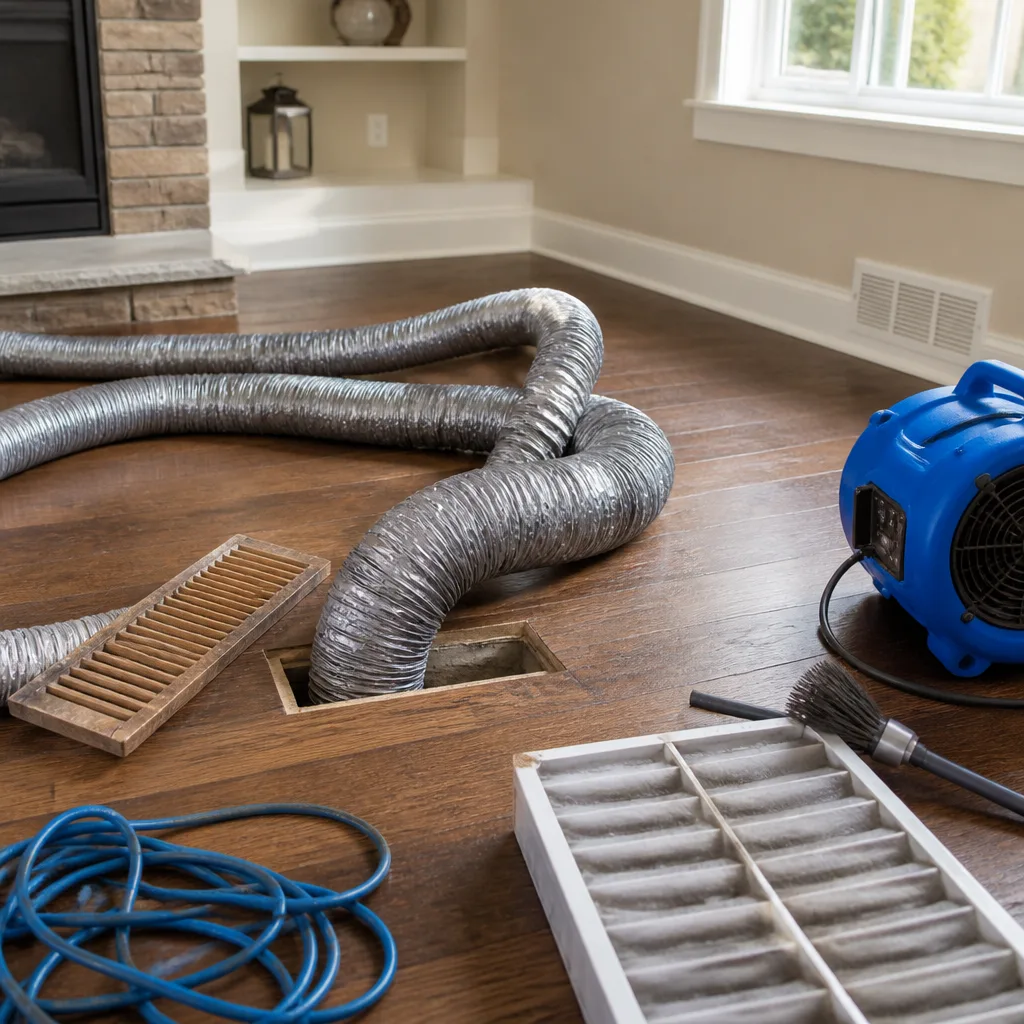 Whole-home duct cleaning
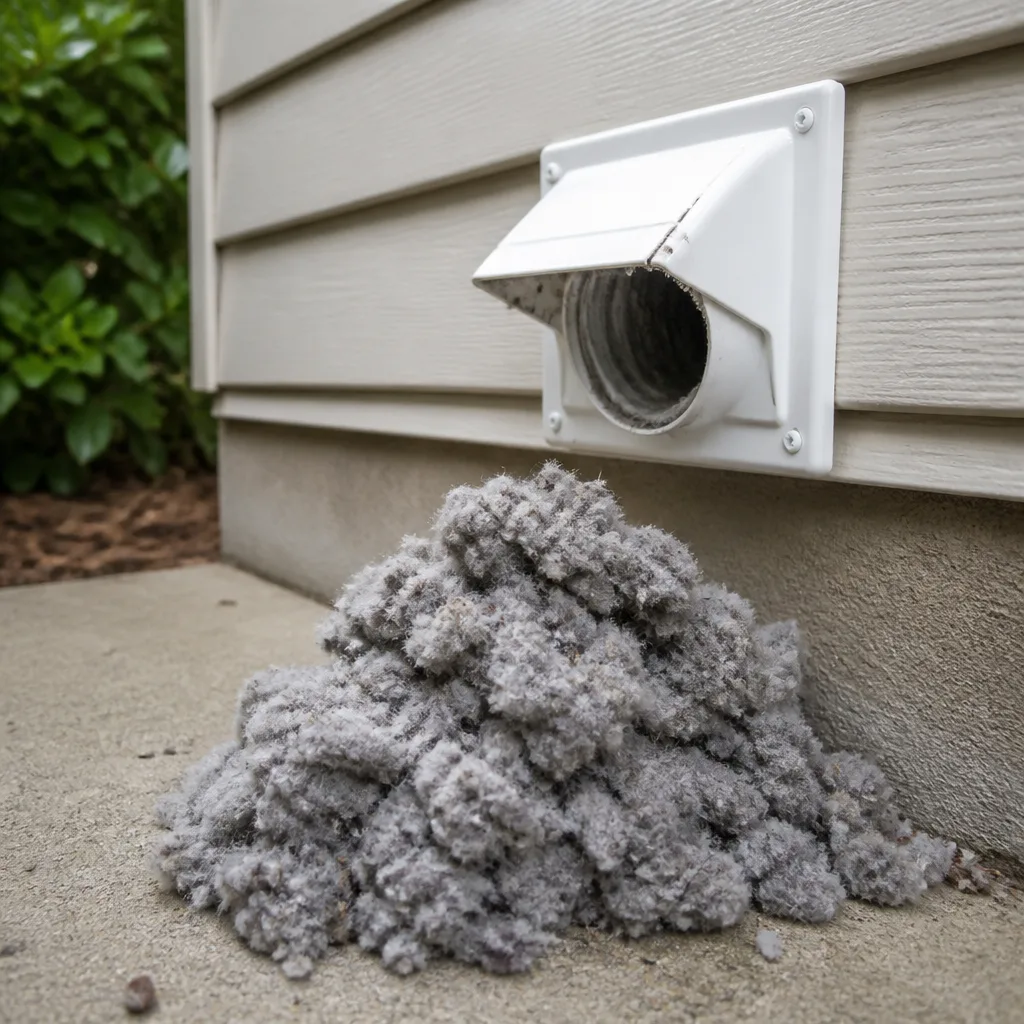 Dryer vent cleaning
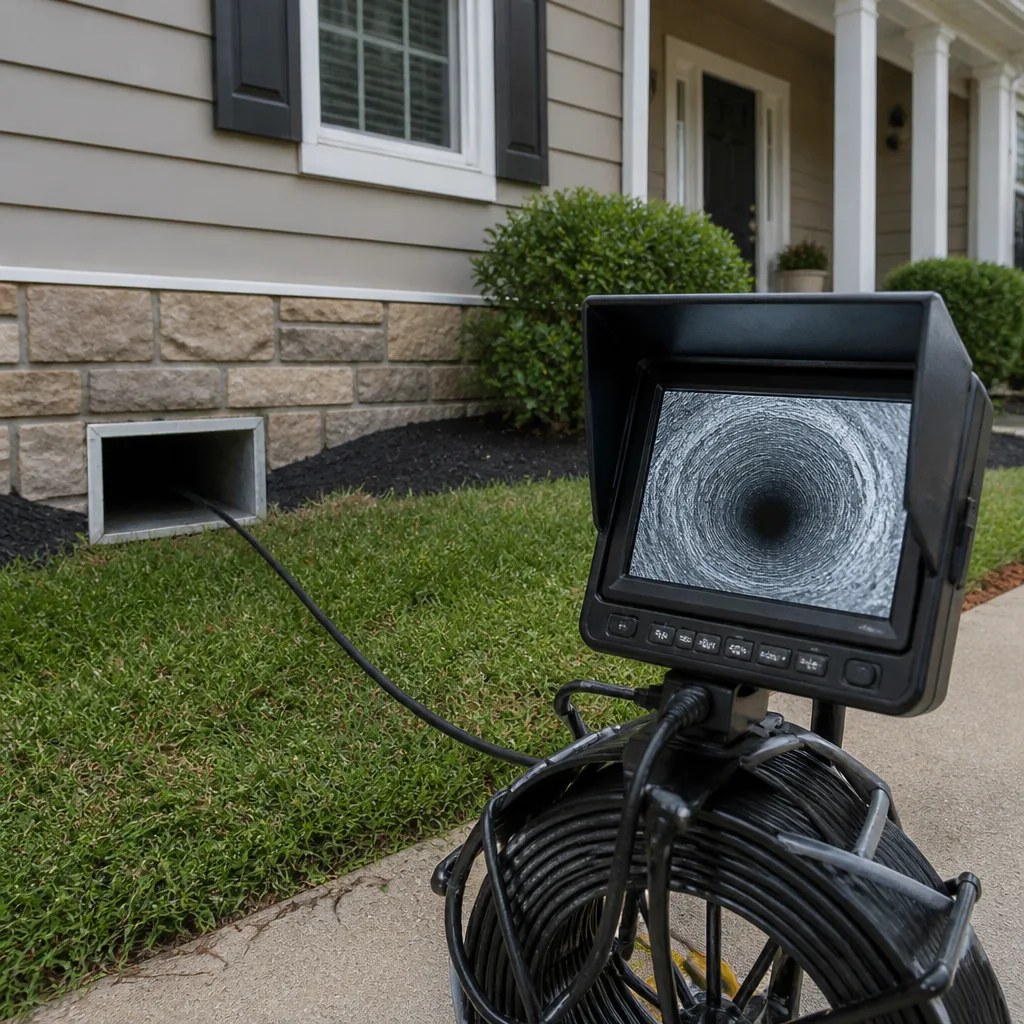 Camera inspection
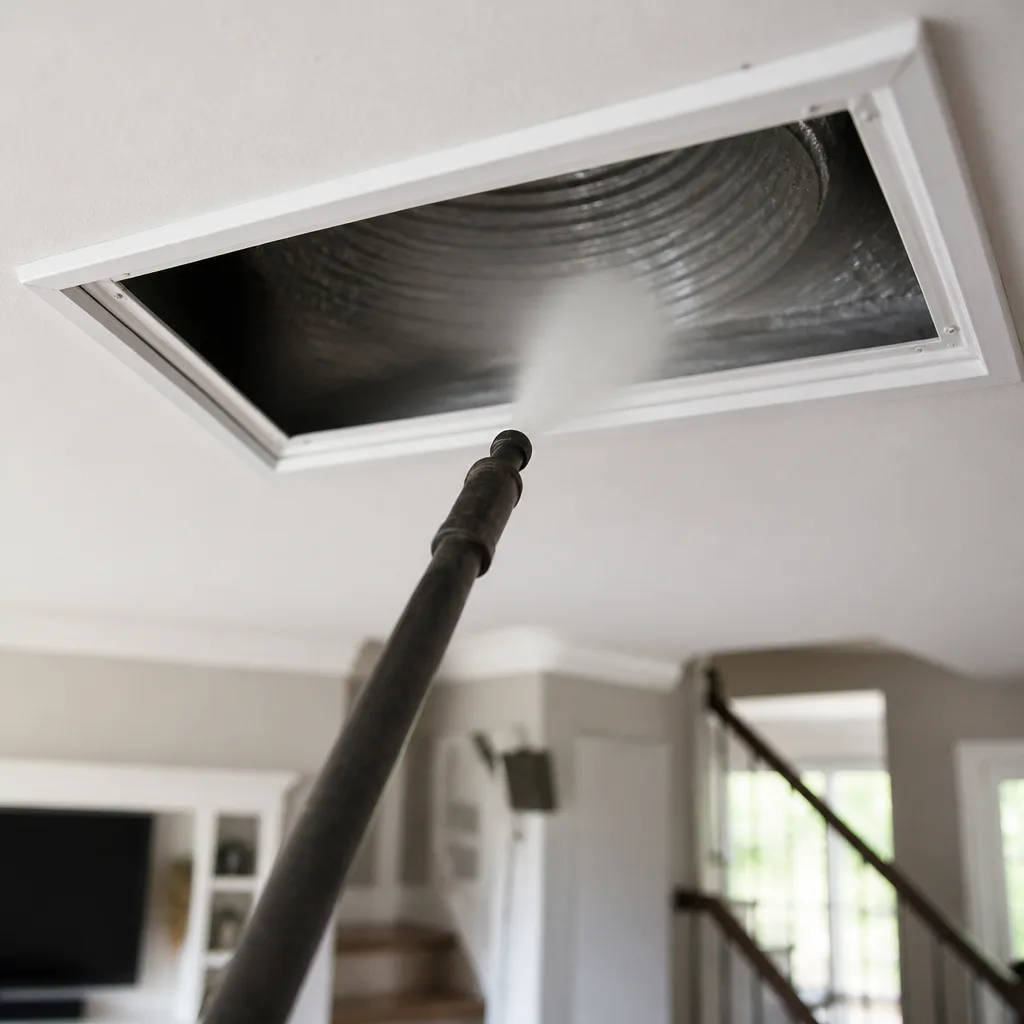 Sanitizing & deodorizing
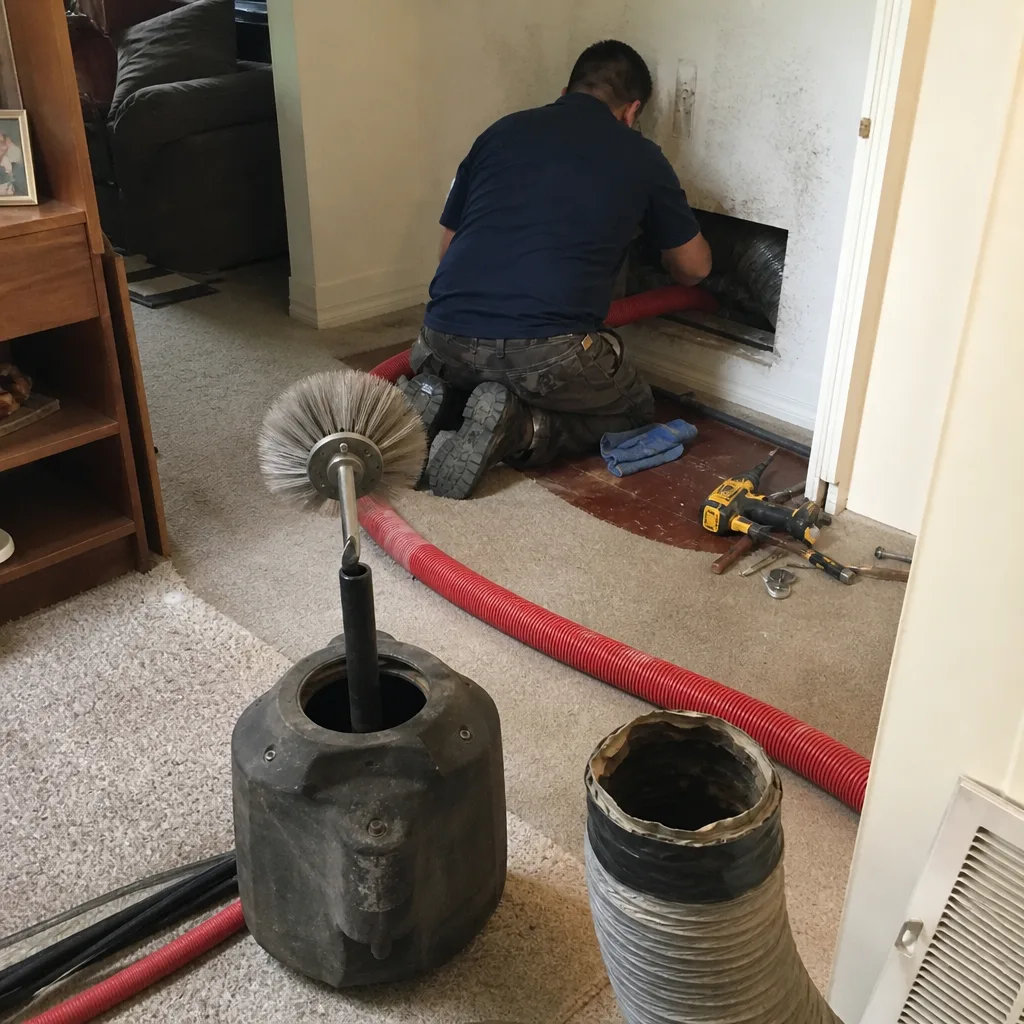
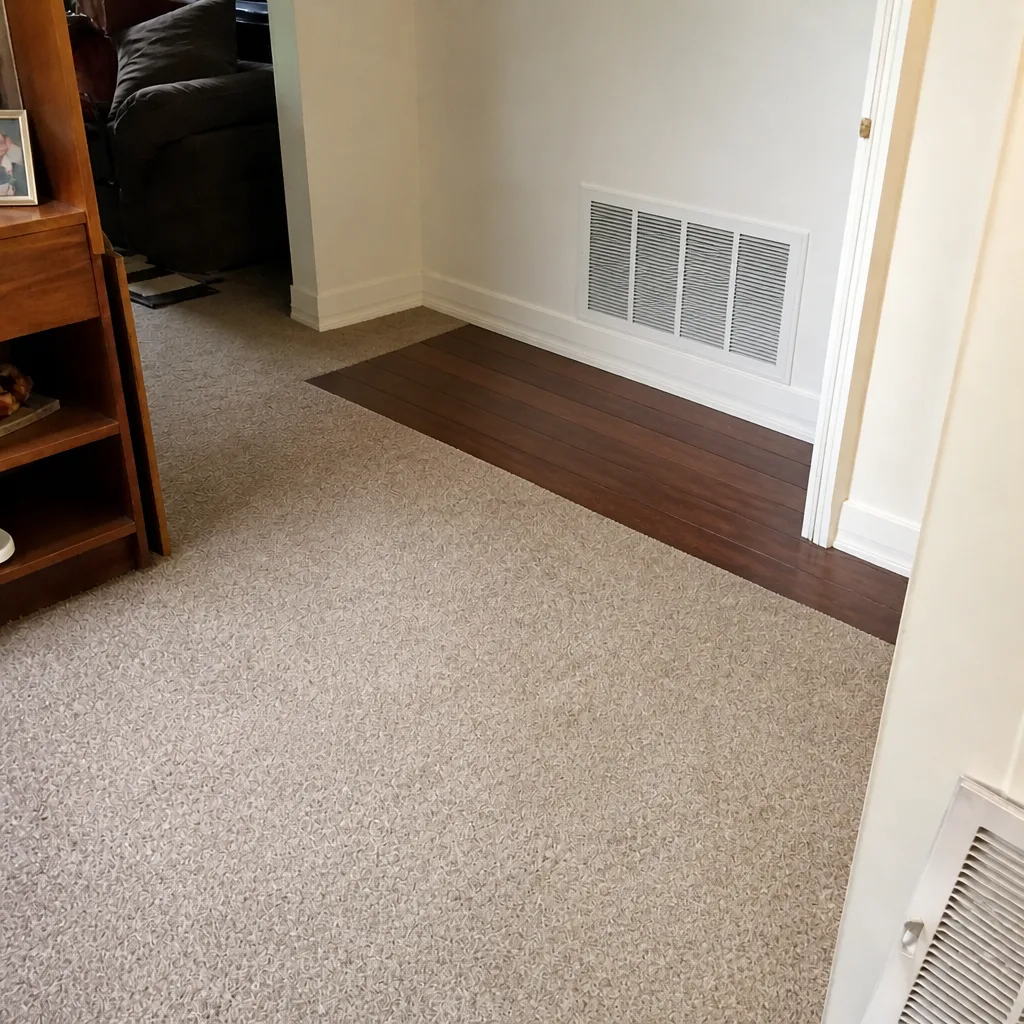
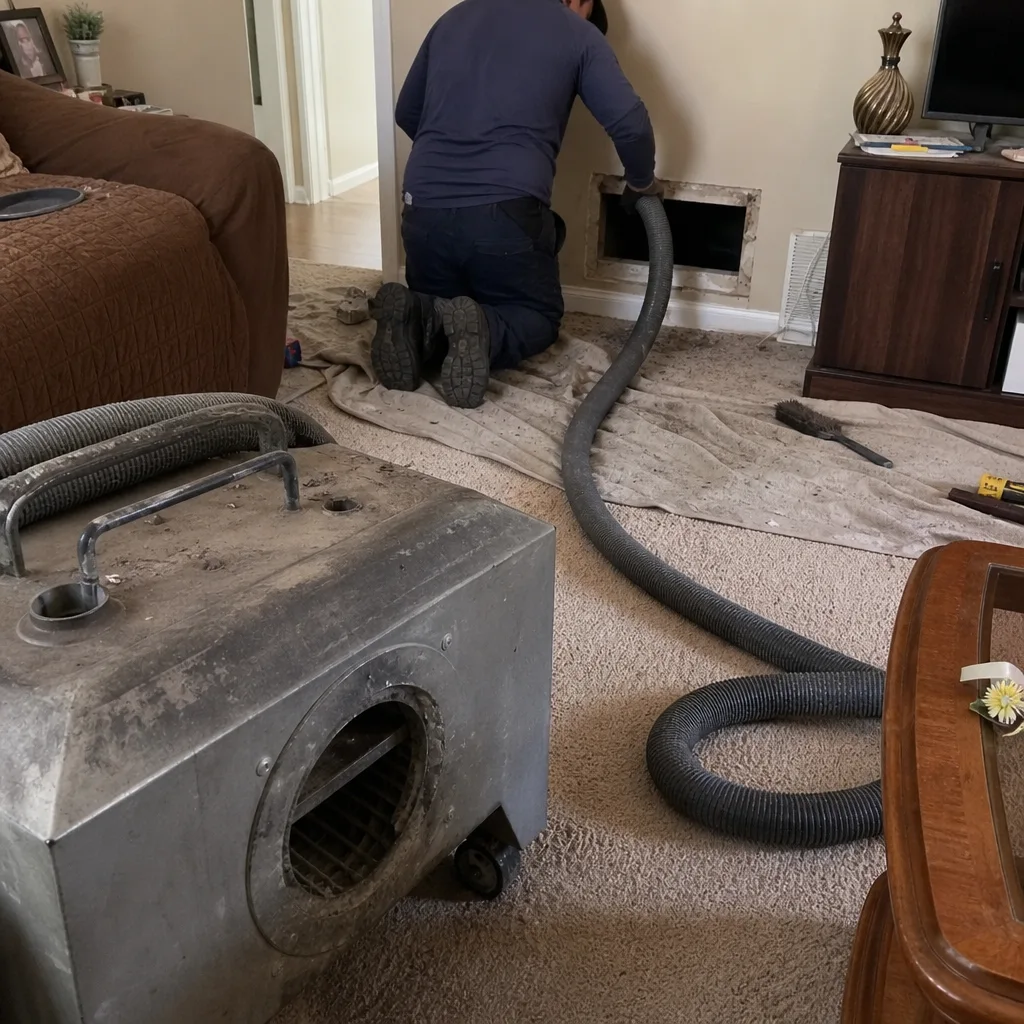
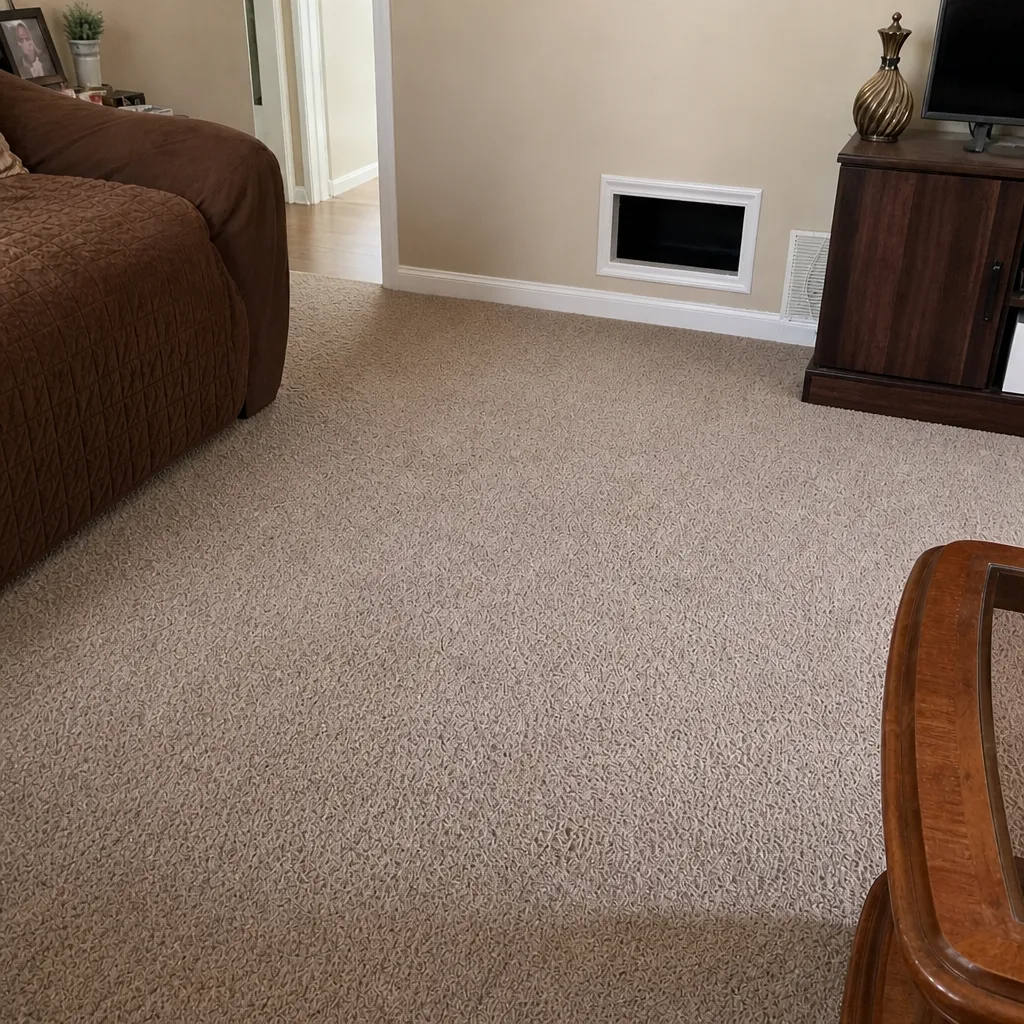
Whole-system duct and dryer vent check with before-and-after photos - you see exactly what came out of your vents
That "$99 whole-house special" is a bait ad - the real number appears once they are in your hallway, or the "clean" is a shop-vac at the register. We photograph the inside of your ducts before and after instead.
Air Duct Cleaning Permits, Codes & Inspections in Lakeland, FL: What You Need to Know
Here’s the part most homeowners miss: cleaning your ducts usually doesn’t require a permit, but repairing them often does. A contractor who patches a collapsed duct section or installs a new access panel without pulling one isn’t cutting you a deal. They’re moving the liability onto you, the homeowner, where it tends to sit quietly until an inspection or a sale brings it to the surface. In this guide, we’ll walk through where Florida law draws the line between maintenance and regulated mechanical work, what Polk County expects to see for duct repair versus a full system modification, and how to check that any permit pulled for work on your Lakeland home was actually closed out. It’s written for homeowners who want the job done correctly, not just quickly.
Quick Answer
Air duct cleaning itself doesn’t require a permit in Lakeland or anywhere in Florida. Duct repair, replacement, or any modification that changes the mechanical system, however, is generally regulated mechanical contracting work under Florida Statute 489, and the person doing it should hold a Certified Air Conditioning (CAC) license and pull the required permit through Polk County’s building department. If a contractor offers to patch, replace, or reroute ductwork without a permit, that’s a sign to slow down.
Styles & brands we work with
- Whole-home duct cleaning
- Dryer vent cleaning
- Camera inspection
- Sanitizing & deodorizing
Table of Contents
- Where the Permit Line Falls: Cleaning vs. Repair
- Florida Statute 489 and Regulated Mechanical Work
- What Polk County Requires for Duct Work
- The CAC License and Who Can Touch Your Ducts
- How to Verify a Permit Through Polk County
- If a Previous Contractor Left Unpermitted Work
- What an Inspection Actually Looks At
- Common Mistakes to Avoid
Where the Permit Line Falls: Cleaning vs. Repair
The distinction matters more than most people realize, and it’s the single biggest source of confusion in this trade. Cleaning is maintenance. Repair is construction. Florida regulators treat them very differently, and so should you.
Cleaning covers everything inside the existing duct system: removing dust, debris, and buildup from the interior surfaces with contact-cleaning equipment. That work doesn’t alter the mechanical system, doesn’t change airflow capacity, and doesn’t create a new connection point. It’s the kind of routine service that a homeowner can authorize without a permit filing.
Repair is a different category. When a section of flex duct collapses, when a joint comes disconnected in the attic, when a technician cuts a new access panel or re-routes a run to serve a converted garage, the ductwork is being modified as part of a mechanical system. That’s the point where Florida treats the work as regulated mechanical contracting. In our experience across Lakeland, the jobs that trip this wire are the ones nobody planned for: an attic inspection during a cleaning that finds three disconnected joints, or a dryer vent run that’s been crushed behind a cabinet for years.
- Cleaning (no permit): source removal of debris from existing duct interiors, sealing small accessible leaks with mastic, replacing a filter or a register grille.
- Repair (permit likely): replacing duct runs, adding or relocating supply registers, cutting new access openings in the air handler cabinet, reconnecting a disconnected trunk.
- System modification (permit required): any change to system capacity, layout, or zoning that alters the mechanical design.
If you’re unsure which category your job falls into, ask the contractor directly. A licensed mechanical contractor will know, and the ones we work with can explain it in plain language. When in doubt, budget for the drywall access inspection as part of a scheduled air duct cleaning, because that’s often when hidden repair needs surface.
Florida Statute 489 and Regulated Mechanical Work
Florida Statute 489 is the chapter that governs contractors in the state, and Part I of it specifically covers mechanical contracting, which is where ductwork lives. The statute defines what counts as regulated contracting work and who’s allowed to perform it, and it’s the reference point behind every permit request at the county level.
What the statute does, in practical terms, is create a clear boundary around the work. If you’re removing debris from a duct that’s already installed, you’re doing maintenance. If you’re installing, altering, repairing, or replacing any part of a mechanical system, including duct distribution, you’re doing regulated contracting work and you’re supposed to hold a state license and pull the permit. That boundary is what makes the “we’ll just patch it while we’re here” pitch a warning sign.
The other thing the statute does is define who can be held accountable. When a licensed contractor pulls a permit and the work is inspected, the responsibility for code compliance lands on the license holder. When no permit is pulled, that chain of responsibility is broken, and the homeowner ends up holding it. That’s why a permit isn’t paperwork for its own sake: it’s the record that a licensed professional put their name behind the work.
There’s a licensing and permitting element here worth naming clearly. The next two sections lay out the CAC license requirement and what Polk County specifically requires, because the statute sets the frame and the county enforces the details.
What Polk County Requires for Duct Work
Polk County’s building department enforces the Florida Building Code at the local level, which means the county is where you file the permit, and the county is who inspects. The rules are straightforward once you know how the categories work.
For cleaning alone, no permit is needed. Cleaning is not construction. The county doesn’t want a permit application to remove dust, and asking for one would just slow down a routine maintenance job.
For duct repair, the picture changes. When a contractor replaces a duct section, reconnects a trunk line, installs new supply or return ductwork, or makes any dimensional change to the system, that work is generally permitted as mechanical work. The county wants a permit application, a licensed contractor on the filing, and an inspection when the job is finished. That inspection is the step that closes the permit and confirms the work matches the plan.
For duct replacement as part of a larger HVAC change-out, the permit is almost always combined with the equipment permit. If a homeowner is replacing an air handler or a condenser, the duct modifications usually get folded into the same mechanical permit. If you’re only touching the ducts, a standalone mechanical permit handles it.
- Confirm the scope. Ask the contractor to describe exactly what’s being repaired or replaced, not just the general service name.
- Ask whether a permit is being pulled. A licensed mechanical contractor should be able to answer immediately and explain why.
- Get the permit number once it’s filed. The contractor can share it, and you should keep a copy with your home records alongside the written estimate and before-and-after photos from the job.
- Confirm the inspection has been scheduled. An open permit that’s never inspected is a problem at resale, so ask for the inspection result once a contractor completes the work.
If you’re wondering whether a specific repair on your home needs a permit, a call to Polk County’s building department will get you a definitive answer for your address. That conversation costs nothing and settles the question.
The CAC License and Who Can Touch Your Ducts
A CAC license is Florida’s Certified Air Conditioning Contractor license, and it’s the credential that lets a contractor legally perform mechanical work beyond cleaning on your duct system. The license is issued by the state, not the county, and it’s the one to look for when a company offers duct repair rather than duct cleaning.
Cleaning doesn’t require a CAC license. Contact cleaning with professional-grade equipment, whether a rotary brush system or a HEPA-filtration setup, is maintenance work. But the moment a company starts cutting into ductwork, replacing a trunk, or installing new runs, the CAC license requirement kicks in. That distinction is why some duct cleaning companies offer cleaning only and subcontract the repair work out, while others handle both. When the repair is subcontracted, the homeowner loses visibility into who actually performed the work and whether the permit was pulled under the right license.
That’s one reason we handle the three services in-house: air duct cleaning, dryer vent cleaning, and duct repair. Our technicians have up to 8 years of experience, and we use Abatement Technologies filtration during cleaning to capture dislodged particles at the source, with Rotobrush contact-cleaning equipment to physically agitate and extract debris from duct walls rather than just air-washing them. Familiarity with Honeywell and Aprilaire system components matters here too, because most homes in Lakeland already have those products installed and repair work has to integrate with them.
Before you hire anyone for duct repair, ask for the license number and verify it on the state’s contractor licensing database. That step takes about a minute and separates the contractors from the handymen.
How to Verify a Permit Through Polk County
Verifying a permit is easier than most homeowners expect. Polk County maintains a public permit portal where you can search by address, permit number, or contractor, and it’s the fastest way to confirm that work on your home was filed and inspected.
- Get the permit number from your contractor. If they can’t provide one, the work probably wasn’t permitted.
- Pull up the county’s online permit search. Enter the permit number or your property address to find the record.
- Check the status. A permit should show as issued during the work and finaled or closed after the inspection. “Open” months after the work is finished is a red flag.
- Review the inspection history. Every inspection result should be logged with a date and a pass or fail outcome. If inspections are missing, the work wasn’t signed off.
- Keep a printout with your home records. When you sell or refinance, an inspector or appraiser will ask about permitted work, and having the record saves time.
One clarification that comes up often: the permit for duct repair is usually filed in the contractor’s name, not the homeowner’s. That’s normal, but it means the homeowner needs to ask for the permit number directly. There’s no harm in requesting it in writing, and a professional contractor won’t hesitate. The permit is the receipt for the inspection, and if you’re ever selling a Lakeland home with significant duct repairs, having that record ready makes the transaction smoother.
If a Previous Contractor Left Unpermitted Work
Finding a disconnected duct or an unsealed joint during a cleaning appointment is more common than people think, and it raises the question of what to do when prior work wasn’t permitted. The answer depends on how much work was done and what the condition of the ducts is now.
Small repairs, like a disconnected joint or a re-seated flex section, can often be corrected as a follow-up repair, and depending on scope the proper permit gets pulled at that point. That’s the cleanest path: bring the work up to code and get the inspection on record. Larger unpermitted modifications, like new duct runs added to serve an addition, or a trunk system that was rerouted entirely, may require the county to review the current state before it can sign off. That’s a conversation with the building department, and it’s worth having before you invest in any further repair.
There’s also a practical step here that a good cleaning company can handle. We document what we find with before-and-after photos, so if a prior contractor’s work needs correction, you have a clear visual record of the condition of the system as we found it. That documentation matters if code compliance becomes a question later.
- Get photos of the problem areas before any new work begins.
- Ask the cleaning company to note disconnected or damaged sections in writing.
- Contact Polk County’s building department if the unpermitted work altered system layout.
- Have the follow-up repair performed by a CAC-licensed contractor with a permit on file.
- Keep the permit number and inspection result with your home records.
What an Inspection Actually Looks At
A mechanical inspection on duct repair focuses on whether the work matches code and whether the system performs as installed. The inspector isn’t being paid to find cosmetic issues; they’re verifying that the ducts are properly connected, sealed, supported, and delivering airflow to the rooms they’re meant to serve.
In practical terms, the inspector looks at the duct connections and joints for proper sealing, the support and strapping of the duct runs, the access panels and their closures, and whether the repair as completed matches what the permit was filed for. If the scope changed mid-job, that has to be reflected in the permit. In a residential attic in central Florida, inspectors also check for clearance from heat sources and proper insulation on the runs, because the attic is a hot space for a large part of the year.
Passing the inspection depends mostly on the contractor doing the work correctly the first time, which sounds obvious but is the whole point. A licensed CAC contractor who anticipates the inspection will install to code, seal joints properly, and document the work. The job closes out, the permit finalizes, and the homeowner has a clean record.
If you’re scheduling cleaning and want to head off a future repair problem, ask for an inspection of the visible ductwork during the appointment. That’s when disconnected joints, crushed flex runs, and aging mastic tend to turn up, and it’s easier to address the problem then than it is to discover it during a home sale.
Common Mistakes to Avoid
- Assuming cleaning and repair are licensed the same way. Cleaning doesn’t require a CAC license, but repair does. If a cleaning-only company offers to patch a duct section, you’re getting work done by someone who isn’t credentialed for it.
- Not asking for the permit number in writing. A verbal “yeah, we’ll file it” is different from a permit number you can actually look up. Ask for it in email or on the invoice.
- Believing an open permit is the same as a closed one. A permit that was never inspected stays open in Polk County’s records, and it can show up as a problem when you sell a Lakeland home.
- Letting a repair crew start without a written estimate that names the scope. A permit for “duct repair” covers what’s written down. Get the scope in writing before the work starts.
- Skipping the visual check of the ducts during cleaning. If the company only runs the equipment and doesn’t inspect the accessible ductwork, they can miss a disconnected joint or a crushed run that will cost more to fix later.
- Hiring on price alone for duct repair. The permit, the CAC license, and the follow-up inspection are real costs, and a bid that skips them is cheaper because someone else is absorbing the risk.
- Throwing out the paperwork after the job. Permit numbers, inspection results, and before-and-after photos from the repair belong with your home records, not in a drawer that gets cleared out.
See the difference
 Before
 After
 Before
 After
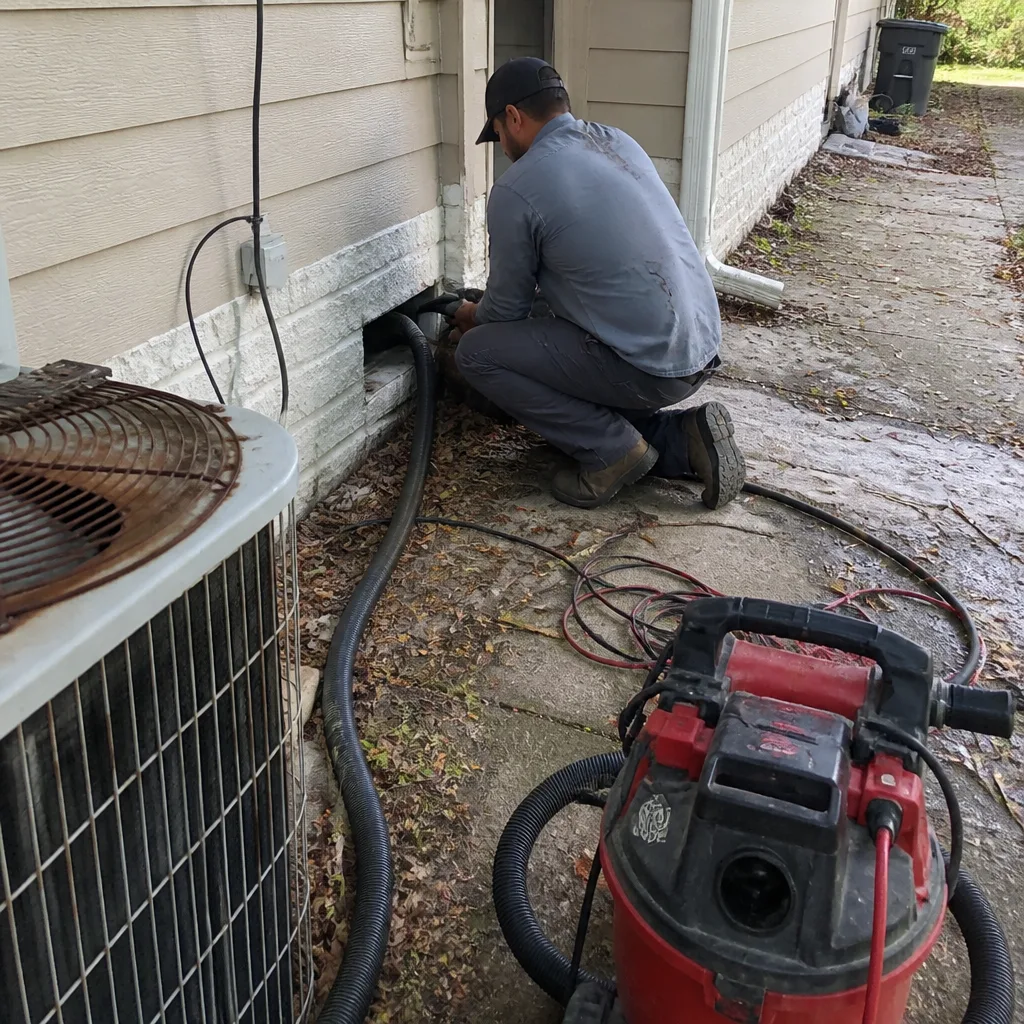 Before
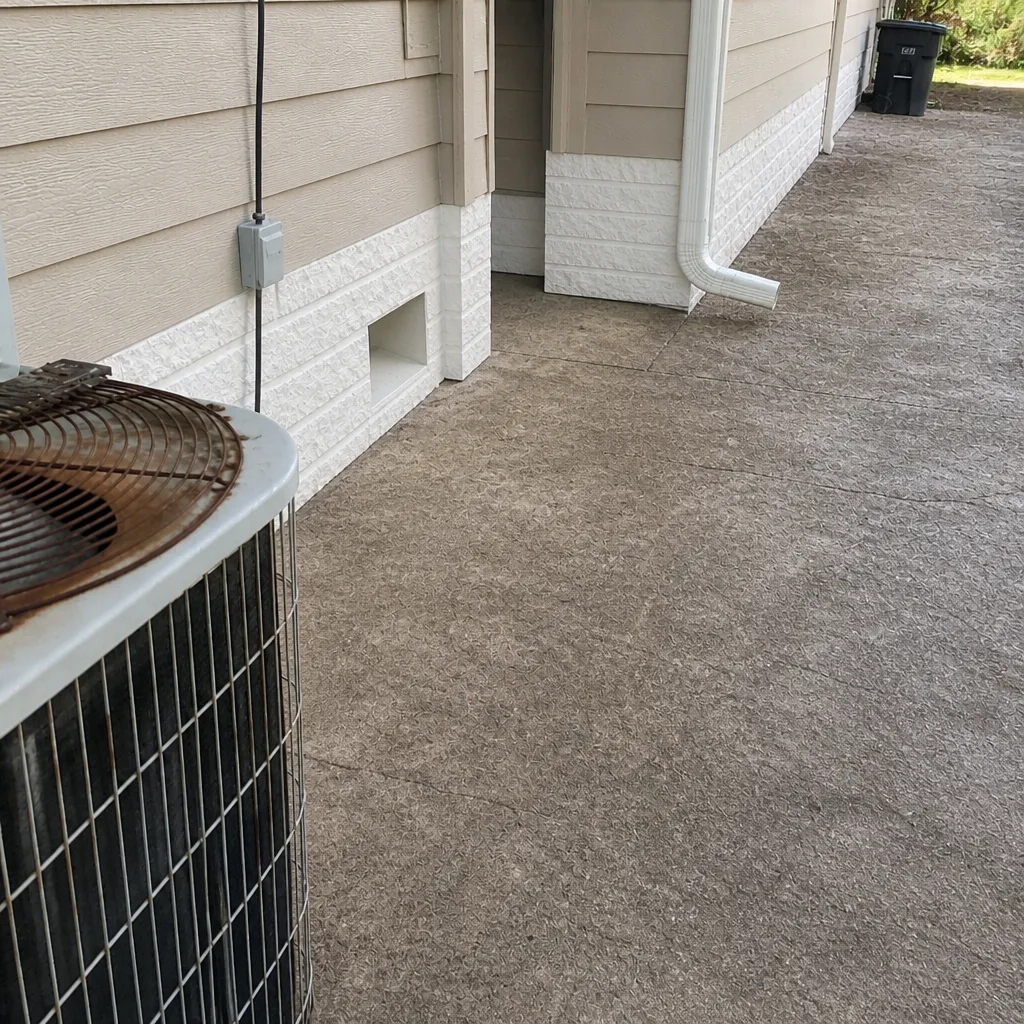 After
When to Call a Professional
Cleaning alone can wait for a scheduled appointment. Repair work or anything that could turn into a permit-driven job is a different situation. Call a professional when you notice a section of flex duct hanging loose in the attic, when airflow to part of the house has gotten noticeably weaker, when you’re buying a home and the inspection report shows duct work, or when you’re selling and need to confirm prior repairs were permitted. If you’re dealing with a dryer vent that hasn’t been cleaned in a while, that’s a fire safety issue rather than a code issue, but it belongs in the same conversation. Our team handles Lakeland duct cleaning, repair, and dryer vent cleaning as a single scope, and we can tell you at the estimate stage whether a project will need a permit before we start. Call us to schedule a free estimate at (855) 360-9053. We answer 24/7. Fast dispatch from 7am to 7pm, Sunday through Friday.
Frequently Asked Questions
No. Cleaning is routine maintenance and doesn’t require a permit in Lakeland or anywhere else in Florida. The permit question comes up only when the work crosses into repair or modification of the duct system itself.
Usually yes. Duct repair that replaces runs, installs new connections, or modifies the system layout is regulated mechanical work, and Polk County generally requires a permit plus an inspection. The simplest way to confirm is to call the county’s building department with your address and the scope of the job.
A CAC license, which stands for Certified Air Conditioning Contractor, issued by the state of Florida. Cleaning alone doesn’t require it; repair and modification of the mechanical system do. Ask for the number and verify it on the state licensing database before the work starts.
Search Polk County’s online permit portal by your property address or the permit number. The record should show the permit status and every inspection with a date and outcome. If a contractor says they filed a permit but there’s no record, ask for the number in writing.
It depends on the scope. Small repairs can usually be corrected as a follow-up job with a proper permit. Larger modifications may require review by Polk County before the work can be brought up to code. Get photos of the current condition first, then decide whether to file under a new permit or contact the county for guidance.
We can offer an estimate for both after inspecting your ducts and reviewing the scope with you. A flat price is agreed in writing before any work starts, and where repair is included, the permit and inspection steps are handled as part of the job. Call (855) 360-9053 for a free estimate. We answer 24/7. Fast dispatch from 7am to 7pm, Sunday through Friday.
The Bottom Line
The line between duct cleaning and duct repair is the line between a routine service and a regulated mechanical job. Cleaning doesn’t need a permit. Repair usually does, and it needs a CAC-licensed contractor who pulls the permit and schedules the inspection through Polk County. If you’re scheduling work, ask for the permit number, verify it on the county portal, and keep the record with your home paperwork. A low price on duct repair that comes without a permit is often the start of a problem that shows up years later. Call (855) 360-9053 for a free estimate on duct cleaning or repair in Lakeland. We answer 24/7. Fast dispatch from 7am to 7pm, Sunday through Friday.
Written by the team at Lakeland Duct Cleaning.