
Last updated November 15, 2026
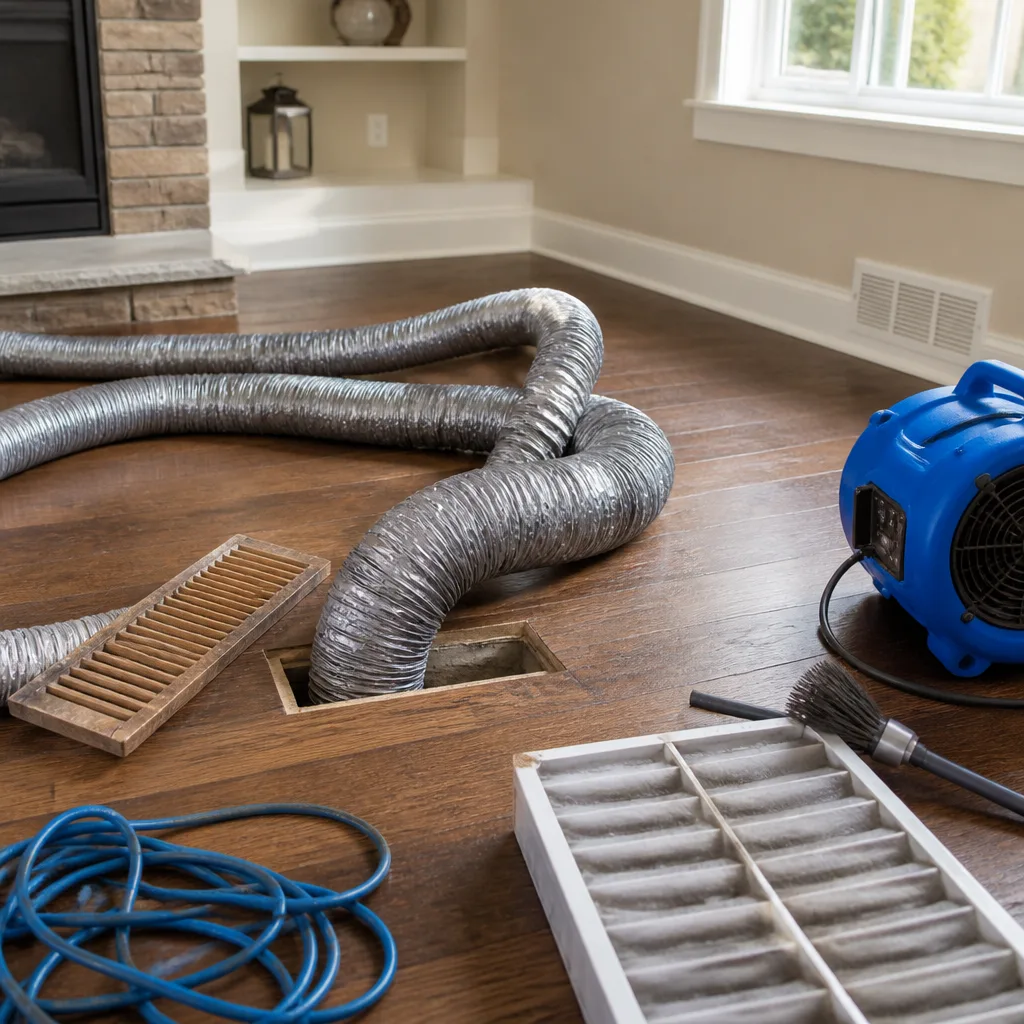 Whole-home duct cleaning
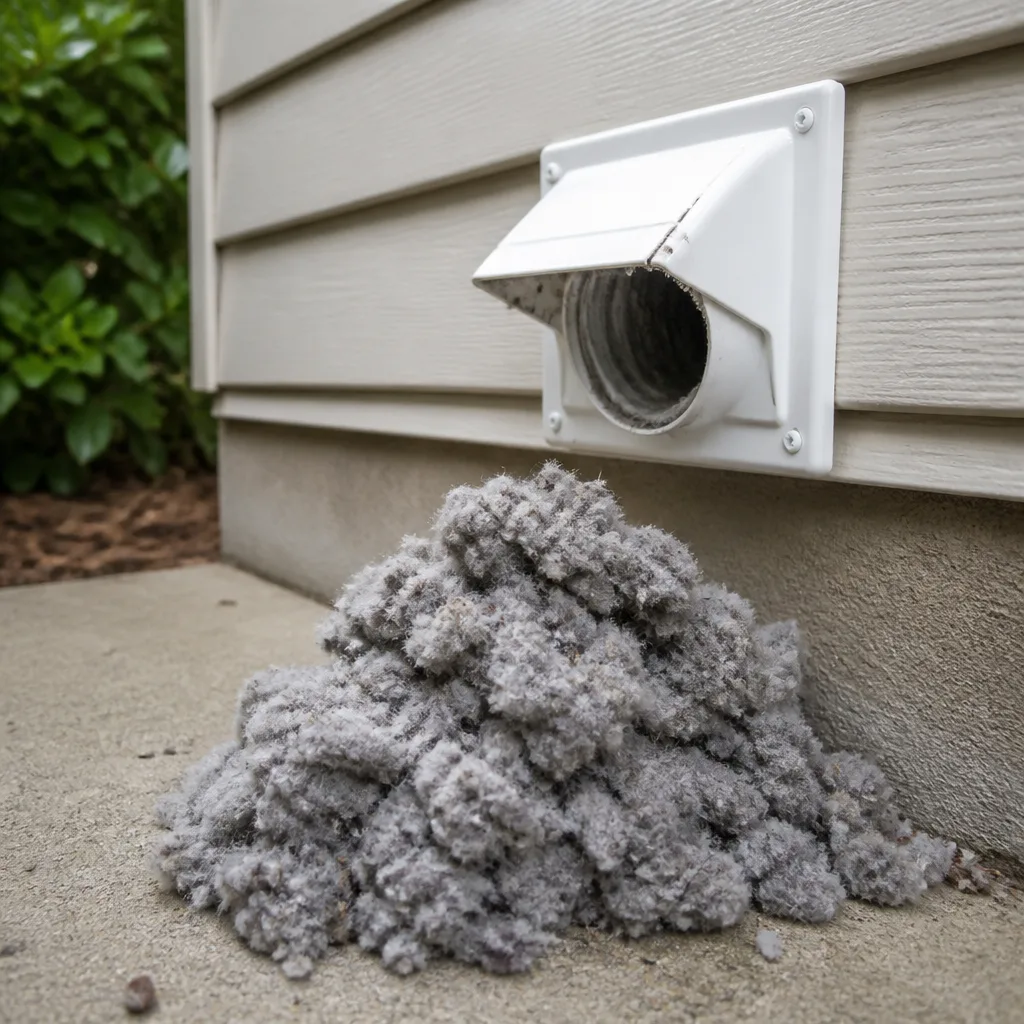 Dryer vent cleaning
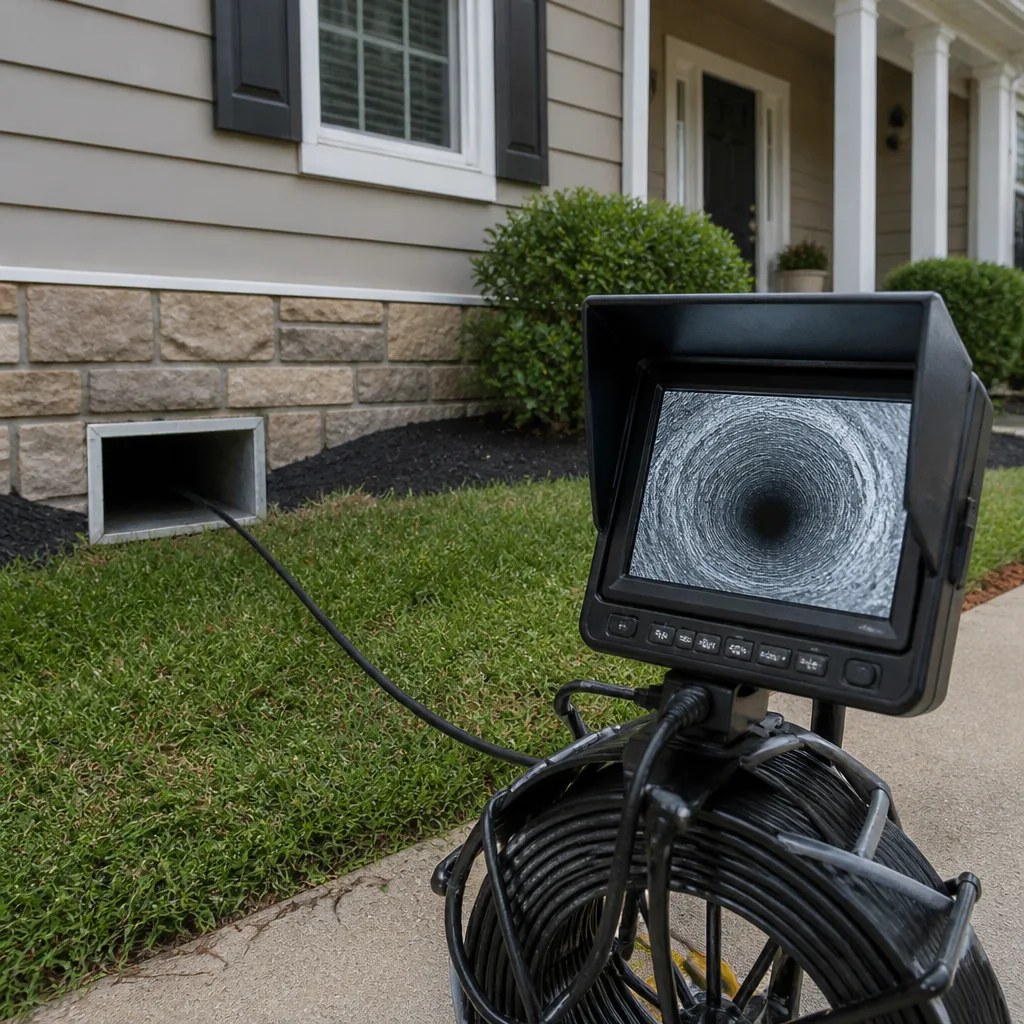 Camera inspection
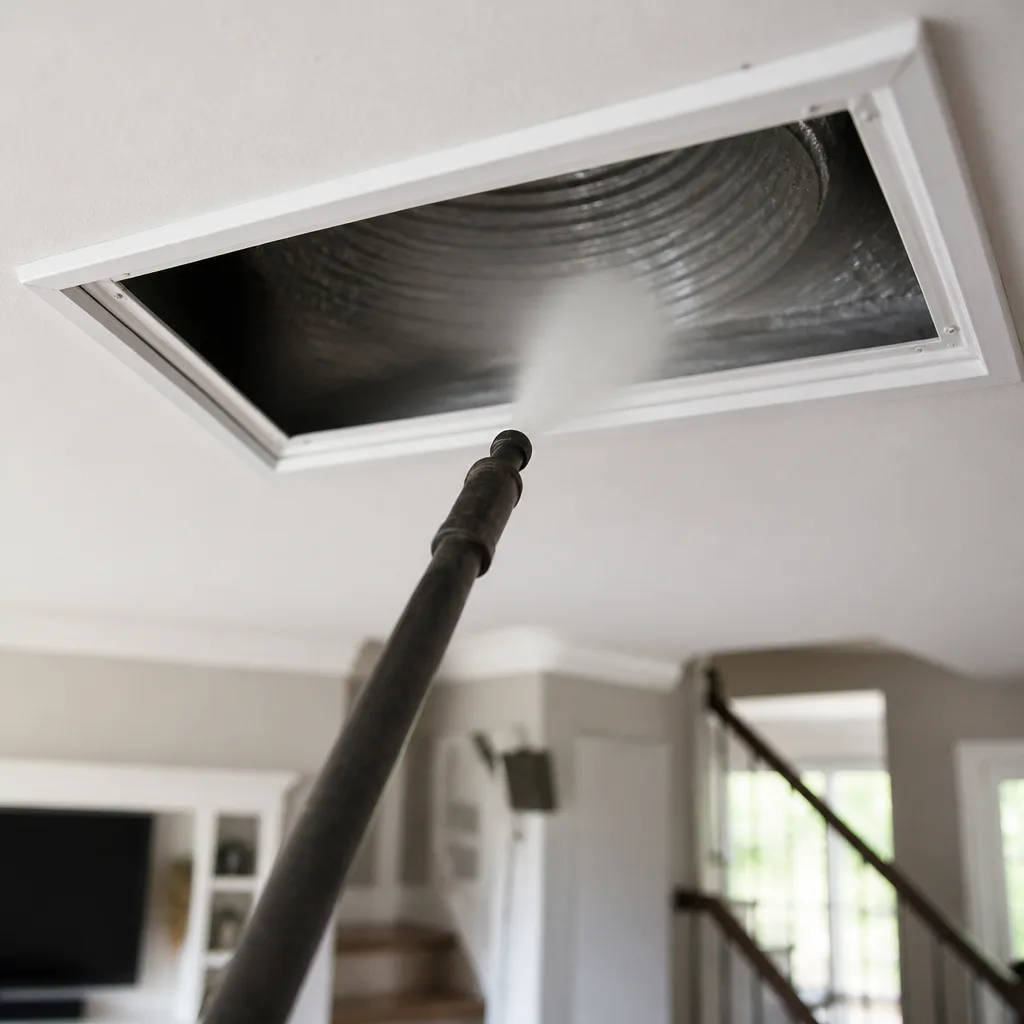 Sanitizing & deodorizing
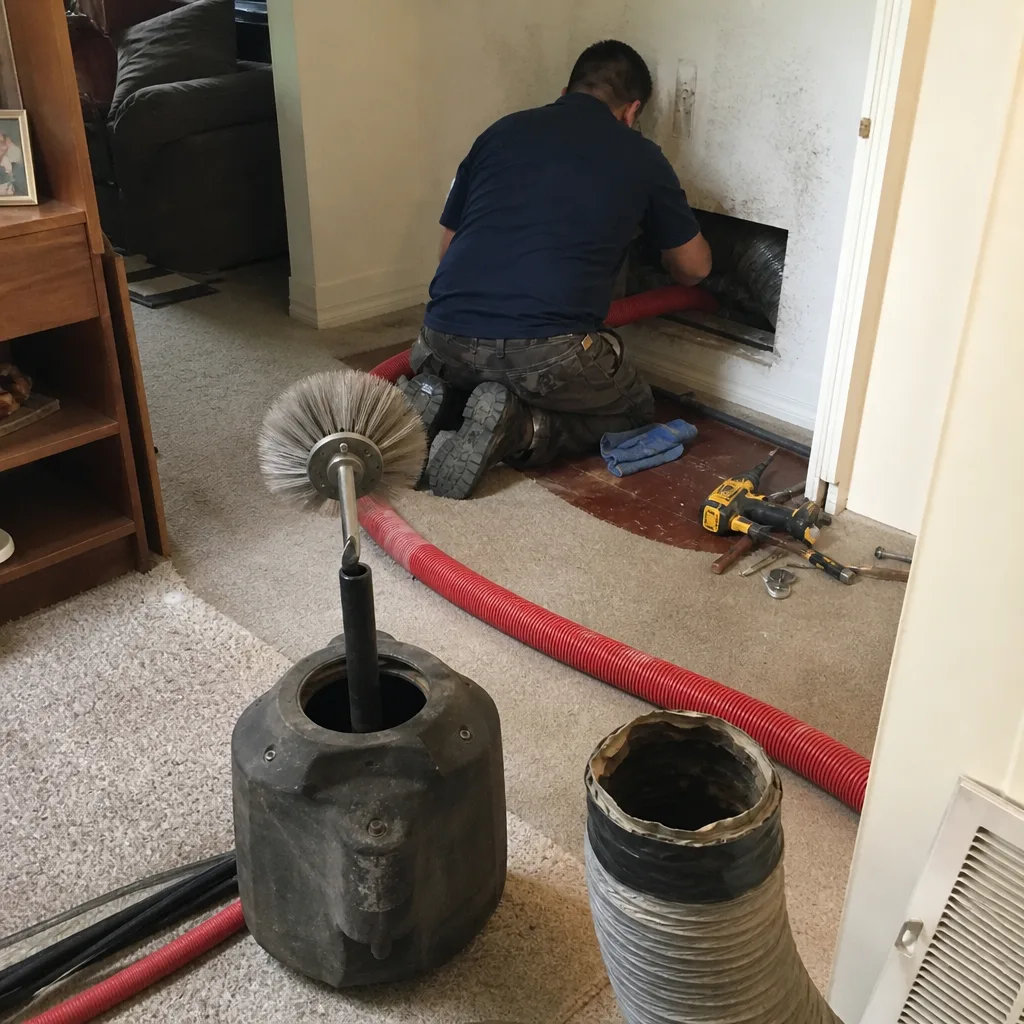
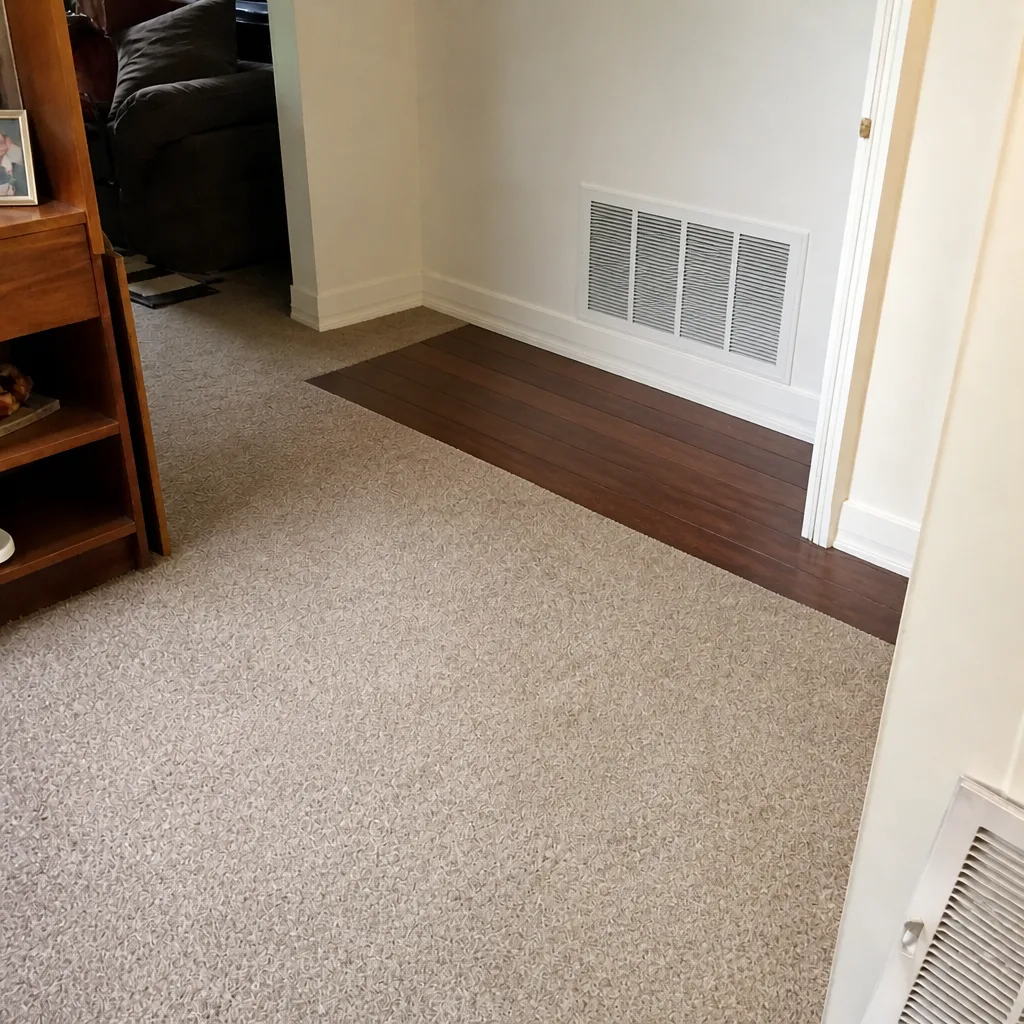
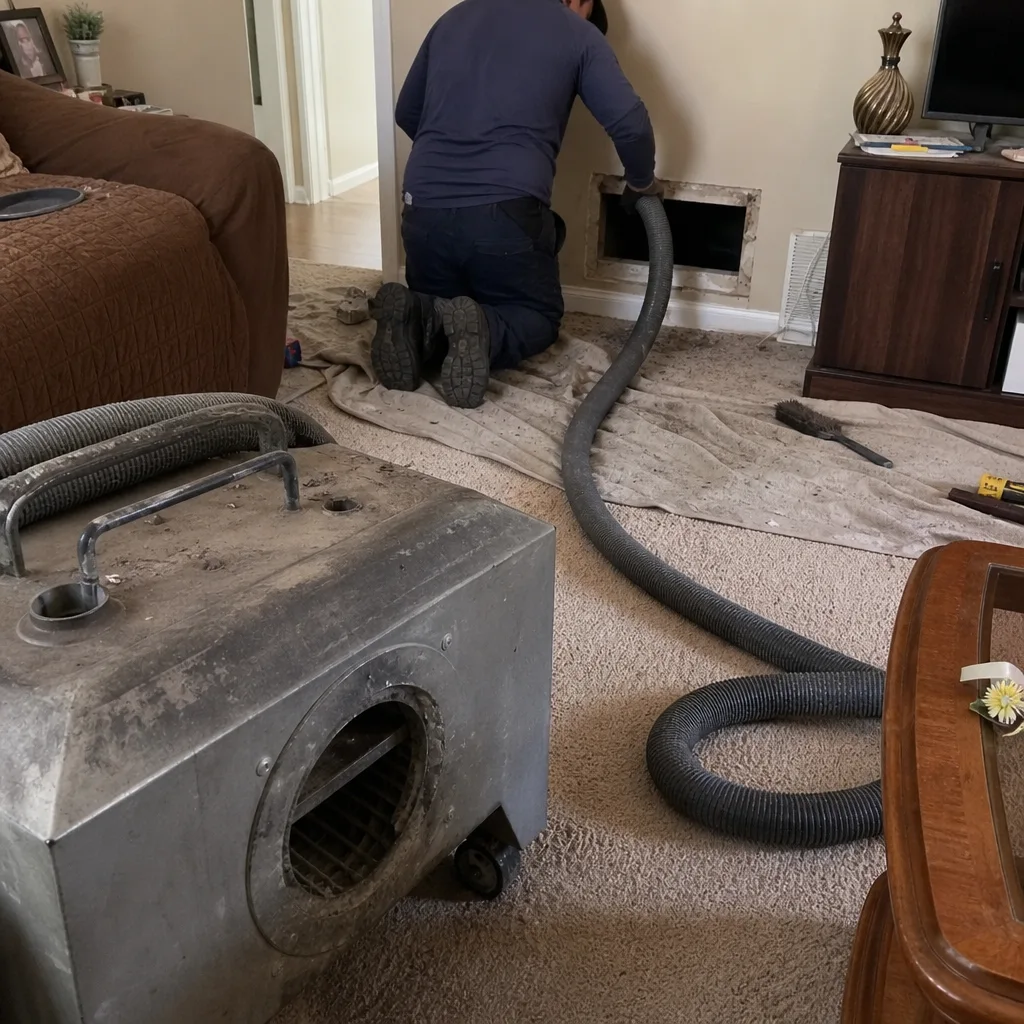
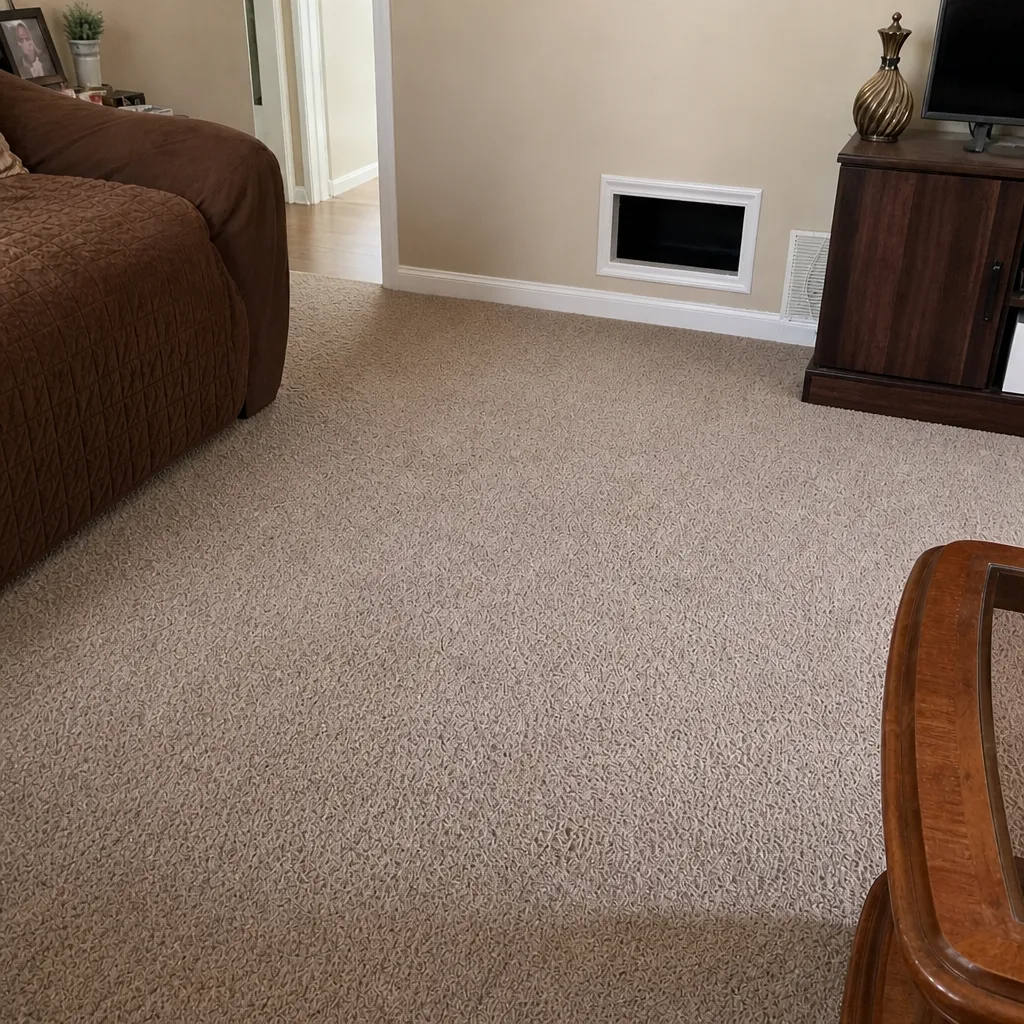
Whole-system duct and dryer vent check with before-and-after photos - you see exactly what came out of your vents
That "$99 whole-house special" is a bait ad - the real number appears once they are in your hallway, or the "clean" is a shop-vac at the register. We photograph the inside of your ducts before and after instead.
Air Duct Cleaning Troubleshooting in Lakeland: Common Problems and How to Fix Them
If a room in your Lakeland home stays 5°F warmer than the rest no matter what you set the thermostat to, that’s almost never a thermostat problem – it’s usually a duct problem, and cleaning alone probably won’t fix it. That distinction trips up more homeowners than any other part of duct maintenance. People call for a cleaning expecting their musty smell, dusty vents, or weak airflow to disappear, and sometimes it does. Other times the real issue is a sagging flex run, a disconnected joint, or moisture the cleaning can’t touch. This guide walks through duct problems the way a trained technician diagnoses them: symptom first, cause second, fix third. You’ll learn what separates a dirty duct from a damaged one, why Lakeland’s humidity matters, and when to call which professional.
Quick Answer
Most air duct problems in Lakeland trace back to one of three things: accumulated debris, a mechanical fault in the duct system itself (disconnected joints, collapsed or sagging flex, undersized runs), or moisture. Cleaning solves only the first. If your symptoms persist after a proper cleaning, or if you see uneven airflow and a room that never cools right, the cause is mechanical and requires duct repair. Diagnosing which category you’re in before scheduling service saves money and prevents repeat visits.
Styles & brands we work with
- Whole-home duct cleaning
- Dryer vent cleaning
- Camera inspection
- Sanitizing & deodorizing
Table of Contents
- How to tell a dirty duct from a damaged duct
- Why musty smells come back after cleaning
- How Lakeland’s humidity changes duct problems
- Static pressure versus debris blockage
- Dryer vent problems and fire safety
- Duct cleaner, HVAC technician, or both
- A step-by-step diagnostic walkthrough
- Common mistakes to avoid
How to Tell a Dirty Duct from a Damaged Duct
The single most useful diagnostic question you can ask about your duct system is whether the problem is dirt or damage. They produce overlapping symptoms, which is exactly why so many cleanings disappoint. A dirty duct restricts flow across its whole length. A damaged duct restricts flow at one point, leaks conditioned air into an attic or wall cavity, or pulls unconditioned air in from the wrong place.
Here’s how to separate them:
- Dirty ducts tend to affect the whole house. All the vents show dust, airflow feels weak everywhere at once, and a white cloth wiped across a return grille comes back visibly soiled.
- Damaged ducts usually show up unevenly. One room runs hot while the rest are fine. A single vent blows weakly. You hear whistling or a rattle when the system runs.
- Leaking ducts often leave telltale signs in the attic: dust streaks near a joint, insulation that’s been disturbed, or a flexible run that’s come loose from its collar.
In our experience, the mistake homeowners make is scheduling a cleaning for a mechanical problem. Rotobrush contact cleaning does exactly what it’s designed to do – scrub and extract debris from duct walls – but it can’t reattach a flex duct that’s slipped off its boot or straighten a run that’s been crushed underfoot in the attic. If you’re seeing symptoms that point to one room, ask for a repair assessment, not just a cleaning. Lakeland’s older homes and additions are the places this comes up most, because duct layouts often got modified or extended without a fresh load calculation.
If you’re not sure which category you’re in, it’s worth reading up on what a standard air duct cleaning actually involves so you know what’s included and what isn’t.
Why Musty Smells Come Back After Cleaning
If a musty or earthy smell returns within a few weeks of a cleaning, the cleaning didn’t fail. You’re smelling moisture, and the duct system is telling you where it’s getting in. Cleaning removes the food source (dust, debris, organic matter); it does nothing about the water supply that lets microbial growth come back. Until the moisture source is addressed, the smell will return on the same timeline every time.
The usual suspects in a Lakeland home:
- Condensate problems. A drain pan that isn’t pitched right, a clogged condensate line, or a trap that’s dried out can push humid air into the air handler and the ducts downstream of it.
- Ducts in unconditioned attic space. This is common across Lakeland. When attic humidity sits high and ducts run through that space, insulation that’s compromised on the duct exterior can cause condensation on the duct surface, which then drips onto duct board or flex liner and starts microbial growth.
- Return ducts pulling from a damp crawlspace or garage. If a return was ever added in a way that pulls from a humid, unvented space, you’ll get a musty smell every time the system runs.
- Wet insulation near the air handler. Even a small, long-standing moisture issue around the unit can seed the whole system.
The fix isn’t a repeat cleaning. It’s identifying where the water is coming from. In many cases, this means an HVAC technician corrects the drainage or insulation problem first, and then a cleaning removes the accumulated growth. Cleaning a moisture-fed system before the moisture is corrected is what creates the cycle of “clean it, smell comes back, clean it again” that a lot of Lakeland homeowners get stuck in.
How Lakeland’s Humidity Changes Duct Problems
Lakeland’s humid, subtropical climate is a real factor in duct health, and it changes what goes wrong compared to drier parts of the country. This is one reason generic duct-cleaning advice from national sites often doesn’t match what we see locally. The problems are different.
- Flex duct sagging. Flexible duct needs to be supported and pulled tight. In homes where flex runs through a warm attic, the combination of heat and humidity can soften the liner and allow sagging. A sagged run loses airflow and becomes a low point where condensation pools.
- Condensation on duct exterior. When warm, humid attic air meets a cold duct surface, condensation forms. Damaged insulation or missing vapor barrier on the duct makes this worse. Over time, that moisture feeds microbial growth on the outside of the duct and can degrade duct board and metal alike.
- Higher microbial growth potential. Dust that lands in a duct in a dry climate stays dust. In Lakeland it can become a substrate once humidity climbs – especially inside returns that draw from conditioned space and then sit in a hot attic chase.
- Air handler cabinet condensation. Units in the garage or attic are especially prone to sweating when the cabinet insulation has gaps, which is why the air handler is often the smell source even when the ducts look clean.
The practical takeaway: in a drier climate you can stretch cleaning intervals further. In Lakeland, moisture management is part of the maintenance picture. That means keeping returns sealed, keeping return paths out of humid spaces, and having the duct insulation inspected, not just the duct interior.
Static Pressure Versus Debris Blockage
Two blocked-airflow problems look almost identical to a homeowner but require entirely different fixes. Debris blockage is physical material – dust, drywall dust from a renovation, pet hair, deteriorated duct liner – sitting inside the duct. Static pressure problems are a design or sizing issue. The system can’t move the volume of air its blower was built to move, not because something is blocking a specific run, but because the duct network itself is too restrictive.
How the two differ in symptoms:
- Debris blockage tends to be localized and often follows a recent event: renovation, a moved or added vent, pest activity, or years of accumulated dust in a return plenum.
- Static pressure problems show up as symptoms spread across many vents: high airflow at the closest vents and weak at the farthest, a blower that’s loud, a system that runs long cycles, or a coil that freezes in the summer.
Static pressure isn’t something you fix with a brush. It’s measured with a manometer by an HVAC technician, who then adjusts the system – balancing dampers, checking the blower speed, or in serious cases resizing or adding duct runs. What a cleaning can do is remove the debris layer that adds resistance to an already-tight system. When a technician measures static pressure before and after a thorough duct cleaning, the improvement is often modest but real. If it’s still high after cleaning, the underlying design is the problem.
Here’s the practical order of operations: if the technician suspects a static pressure issue, have the HVAC side evaluated first, so the duct repair and duct cleaning happen after the design fix, not before. That saves paying for the same diagnosis twice.
Dryer Vent Problems and Fire Safety
A dryer vent is technically separate from the HVAC ductwork, but it shares the same failure modes and the consequences are worse. A blocked dryer vent is a genuine fire risk, and it’s the one duct problem in a Lakeland home where a delay can be dangerous. If your laundry takes noticeably longer than it used to, the outside vent flap doesn’t pop open when the dryer runs, or clothes come out of the dryer hotter than normal, that’s a blocked vent, not a mechanical dryer failure.
Common dryer vent problems and their causes:
- Lint accumulation along the run, worst when the vent has bends or a long run before it exits the house.
- Crushed or kinked flex vent behind the dryer – the single most common cause of restricted airflow in a residential setup.
- Wrong material. Vinyl or foil flex vent isn’t meant for concealed use; rigid or semi-rigid metal vent is what most local codes expect for the run through a wall or attic.
- Pest nests at the exterior termination, especially if the flap has been stuck open.
Dryer vent cleaning is a dedicated service, not an add-on, and it’s worth treating it that way. When we handle a dryer vent cleaning, the goal is to clear the entire run from the dryer to the outside termination and confirm the exterior flap opens fully. If the run is a crinkled flex mess behind the unit, that’s a repair conversation, not just a cleaning one.
Duct Cleaner, HVAC Technician, or Both – and in What Order
This is the question that saves homeowners the most money. The right answer depends on what’s actually wrong, and getting the order right prevents paying twice for the same diagnosis.
- Call an HVAC technician first when: the system won’t cool, the coil freezes, the blower is loud, the refrigerant charge is suspect, or static pressure is the concern. These are mechanical and diagnostic issues a duct cleaning can’t resolve.
- Call a duct cleaning company first when: the system cools fine but the air feels dusty, one or more vents show visible soiling, there’s a history of no cleaning, or you’re moving into an older Lakeland property and want a baseline.
- Call for duct repair when: airflow is uneven, one room never cools, you hear whistling or rattling at a specific vent, or an attic inspection shows disconnected or crushed flex runs.
- Call for both, in this order, when: the HVAC technician diagnoses a duct design issue that requires repair. Have the repair performed first, then the duct cleaning, so cleaning happens on a sealed and correctly-sized system.
For a house that needs all three, we handle duct cleaning, duct repair, and dryer vent cleaning as one scope – no subcontracting and no referrals. If the diagnostic step reveals the need for an HVAC repair beyond ductwork, we’ll tell you clearly and that work is handled by a licensed HVAC contractor. We don’t do coil cleaning, mold remediation, or system installation, and we won’t pretend otherwise.
A Step-by-Step Diagnostic Walkthrough
If you want to do the initial assessment yourself before calling anyone, here’s the order a trained technician would follow. None of these steps requires tools beyond your eyes and ears, and none of them involves opening panels or reaching into electrical components.
- Walk every room and note which vents underperform. All rooms weak suggests a system-wide issue; one room weak suggests a local duct fault. Write it down room by room.
- Do the tissue test. Hold a square of bathroom tissue against each supply grille while the system runs. It should flutter hard and stay pulled toward the grille. If one vent barely holds the tissue, that run is restricted.
- Wipe test at the returns. A clean white cloth wiped across the return grille face shows how much dust the system is pulling. Heavy soot or gray film on the return is a debris signal.
- Listen at the vents. Whistling or a sharp rattle when the blower runs often points to a partly disconnected joint or a low-flow boot, both of which are repair items.
- Smell test the whole house separately from each room. A musty smell in one room points to a specific duct; a musty smell everywhere points to the air handler, return path, or a moisture source feeding the whole system.
- Check the dryer vent flap from outside while the dryer runs. It should open wide and blow steady. If it barely moves or stays shut, the run is restricted and should be cleared promptly.
- Note recent changes. A renovation, a new room added over a garage, or a replaced air handler can all leave ducts undersized, disconnected, or full of construction dust – a common pattern in Lakeland homes with additions.
Bring those notes to the first call. It’s the difference between a generic cleaning quote and a real diagnosis.
What Professional Contact Cleaning Does That a Shop Vac Can’t
The reason contact cleaning works where vacuum-only “cleanings” don’t comes down to what’s physically happening inside the duct. Dust doesn’t float freely in a duct; it clings to the walls. A vacuum can pull loose debris from the air stream, but it won’t dislodge the layer stuck to the sheet metal or flex liner. That layer is the food source for microbial growth, the source of the burnt-dust smell on first heating, and what shows up on the return grille within weeks of a light cleaning.
Rotobrush rotary contact cleaning uses a whip- or brush-head on a flexible shaft to physically agitate the duct wall while a HEPA vacuum pulls the debris out of the system. The whipping action reaches corners and fittings a hand-held tool can’t. That’s what we mean when we talk about contact cleaning versus air washing: the difference is whether the duct wall was actually scrubbed. Nikro professional units fill in the same role for heavy debris runs and larger trunk lines.
Containment matters just as much as the cleaning itself. Rotobrush work dislodges a lot of material into the air, and without filtration those particles recirculate through the house during the service. We deploy Abatement Technologies HEPA filtration during cleaning so the dislodged particulates are captured at the source – the point of cleaning is removal, not redistribution into your living room. Ask any duct company you’re considering what containment they use. If the answer is vague, that’s your answer.
The Repair Side of Duct Work – What Cleaning Leaves Behind
Cleaning resolves dirt. Repair resolves the duct system itself, and it’s the part most homeowners don’t think to ask about. In an older Lakeland home, or one that’s had rooms added or a system replaced, the ducts often don’t match the house they’re serving anymore. Common problems we see in the repair phase:
- Disconnected flex runs at the boot or plenum. Air escapes into the attic instead of the room, and the vent looks like it isn’t working.
- Crushed or kinked flex where a run got stepped on or pinched during a prior job.
- Sagging trunk lines supported by nothing between tie points, which collect debris and moisture at the low point.
- Deteriorating duct board that’s lost its vapor barrier and is now a moisture trap.
- Poorly sealed joints leaking conditioned air into unconditioned space, worst in attics.
Repair work closes those gaps and reattaches what’s come loose. On top of that, we work with guardsman-associated protective treatments where a system is a candidate, and with the Honeywell and Aprilaire components that already form the filtration and air-quality infrastructure in a lot of homes here. Familiarity with those brands matters during repair, because it means the work integrates with what’s already installed instead of ignoring it.
Learning how to Lakeland homeowners typically sequence the work is easier when you know what the repair phase includes. Cleaning is the baseline; repair is what puts the system back into the shape it was designed to be in.
See the difference
 Before
 After
 Before
 After
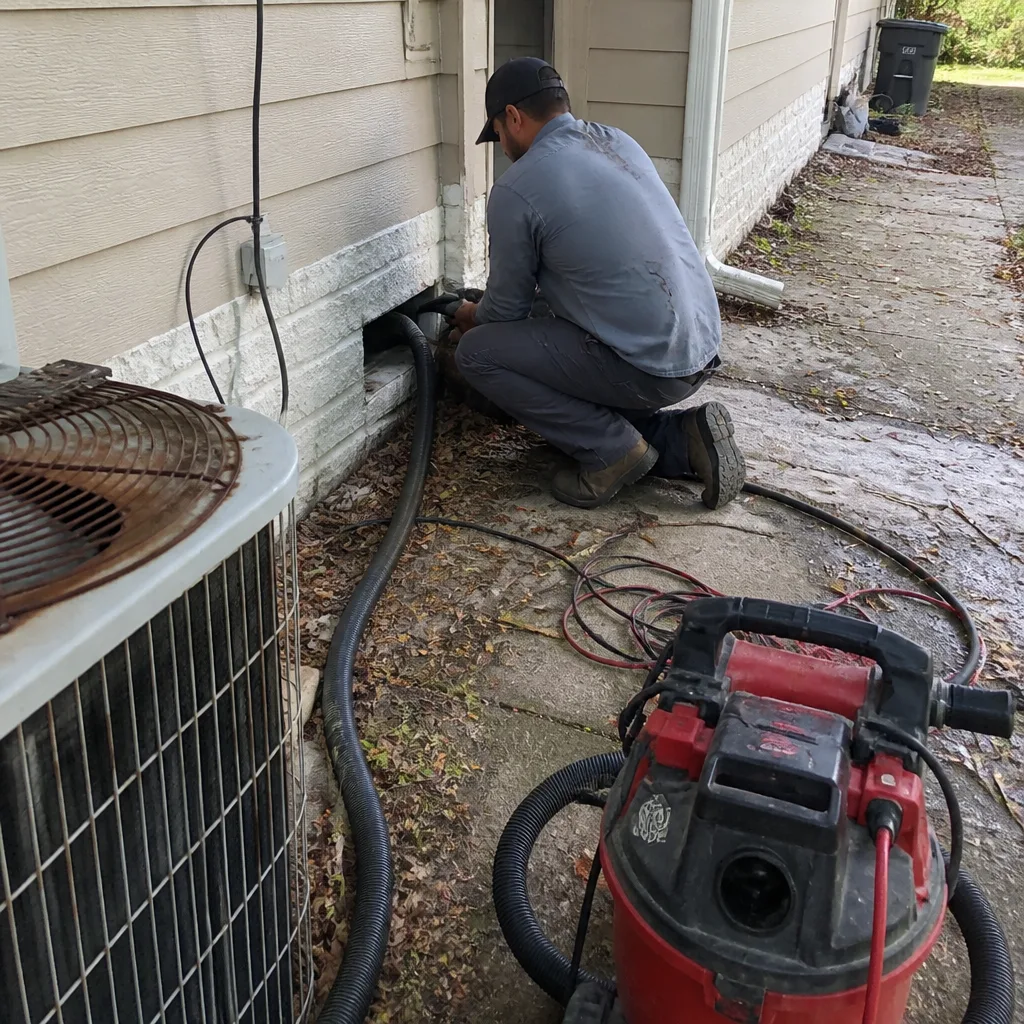 Before
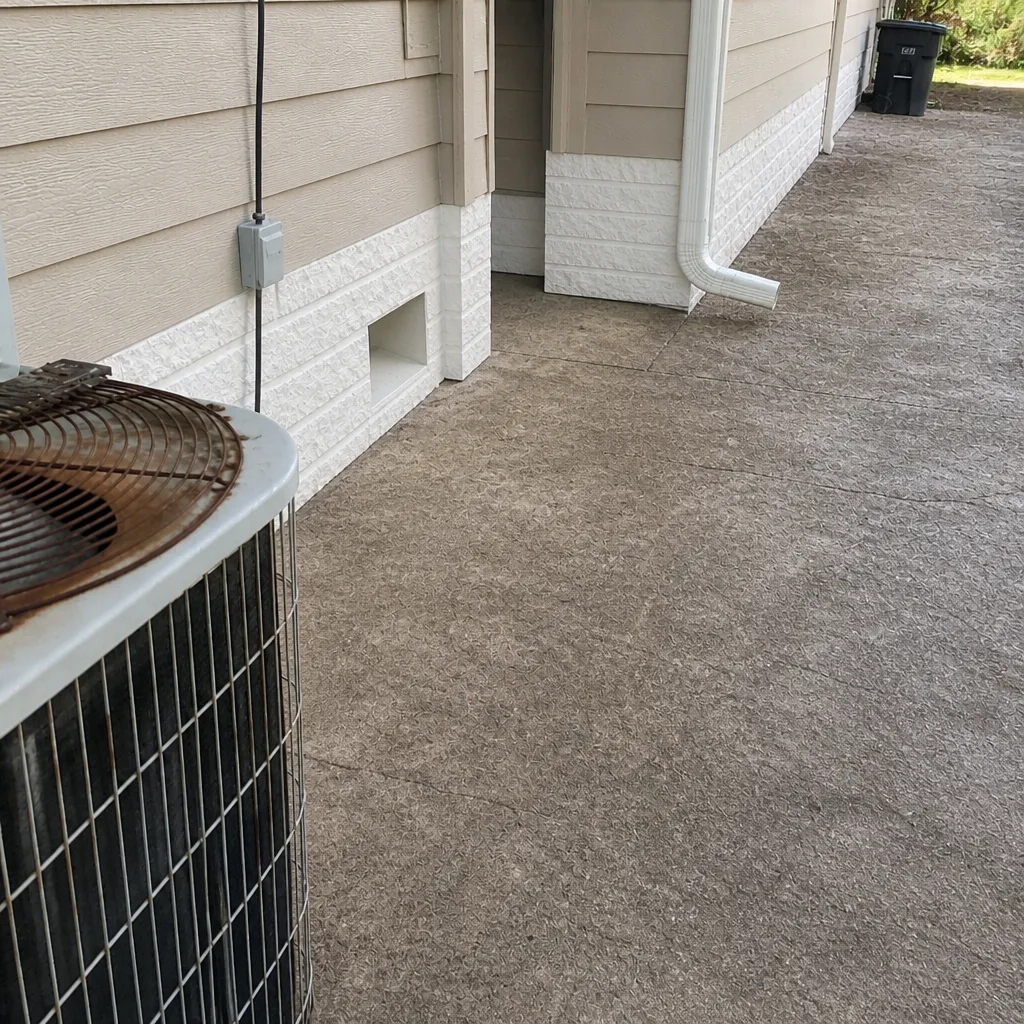 After
Common Mistakes to Avoid
- Assuming a bad smell means the ducts aren’t clean. Musty smells almost always mean moisture, not cleaning failure. Recleaning before locating the moisture source is money spent on the same result.
- Scheduling a cleaning for a one-room airflow problem. A single underperforming vent is usually a duct repair, not a cleaning. Cleaning the whole system won’t fix a disconnected flex run that’s dumping air into the attic.
- Skipping the return side. If the return plenum and grilles aren’t cleaned, the supply ducts get recontaminated as soon as the system runs. Ask specifically what’s included on the return side.
- Ignoring the dryer vent because the dryer “still works.” A dryer with a restricted vent still dries clothes – just slowly and with more heat. It’s a fire risk well before it stops working.
- Hiring on price alone and accepting a vague scope. A lower quote that doesn’t cover the return side, containment, and a walkthrough isn’t a better deal, it’s a different job. Ask what equipment is used and what containment is deployed.
- Cleaning before repair. On a system with disconnected or sagging runs, have the repair done first and cleaning second. Cleaning a leaking system and then repairing it means the sealant and debris both end up in the ducts.
- Forgetting the air handler cabinet. Lakeland’s humidity makes the cabinet and drain pan a frequent moisture source. If the smell is everywhere rather than isolated, have the cabinet inspected at the same visit.
When to Call a Professional
Call a professional when any of the following is true: you’ve never cleaned the ductwork in a home you’ve moved into; you can feel your own hand clogged with dust after running it near a return; one room stays noticeably warmer than the rest even after balancing the vents; you smell mustiness only when the system runs; the dryer takes longer and longer to finish a load; or you know from an attic view that flexible runs are sagging or disconnected. Handling duct repair yourself isn’t realistic, and attempting to reach into ductwork with hand tools risks damaging liner and dislodging joints. Our technicians have up to 8 years of experience and can diagnose the three services – cleaning, repair, and dryer vent – in a single visit. Lakeland Duct Cleaning provides free estimates in Lakeland, and you can reach us at (855) 360-9053. We answer 24/7. Fast dispatch from 7am to 7pm, Sunday through Friday.
Frequently Asked Questions
Air duct cleaning in Lakeland is priced per system, not per vent, and the written estimate sets the final price after the technician sees the layout and condition. Whole-system cleaning typically starts with the scope and access, and the estimate is always given before work begins. Call (855) 360-9053 for an exact quote – estimates are free.
Cheaper quotes usually cover less: no return-side cleaning, no HEPA containment during the job, no repair assessment, and equipment that air-washes rather than contact-cleans. The right comparison is scope, not price alone. Ask what’s included on returns, what containment is used, and whether the scope covers repair. Call (855) 360-9053 for an estimate you can line up against a cheaper quote.
You should be shown before-and-after photos of your own ducts, not a stock set, and a walkthrough of what was cleaned and what was left alone. If the crew can’t show you the state of the ducts before and after, the work wasn’t documented. Call (855) 360-9053 to schedule a service where the evidence comes to you.
For a typical Lakeland home with pets or occupants with allergies, a cleaning every few years is reasonable, with faster cycles after a renovation or a move into an older property. There’s no single interval that fits every home, and anyone who quotes one without looking is guessing. Call (855) 360-9053 for an assessment based on your actual system.
Usually not. Uneven airflow to one room is typically a duct repair or static pressure issue, not debris. Cleaning can help if the whole system is restricted, but a single warm room after cleaning usually points to a disconnected or undersized run that needs repair. Call (855) 360-9053 and ask for a repair assessment on that room.
After. Have the HVAC repair or duct repair completed first, then let the cleaning handle the debris. Cleaning a system that still has leaks or disconnects means the ducts can be re-contaminated on the first run cycle. Call (855) 360-9053 and we’ll help you sequence the work.
The Bottom Line
Duct problems in Lakeland break down into three buckets: dirt, damage, and moisture. Cleaning handles dirt with contact equipment that scrubs duct walls and HEPA containment that captures what’s dislodged. Duct repair handles damage – the sagging flex, disconnected joints, and undersized runs that no amount of cleaning can fix. Moisture is the one that returns every time unless you find its source, which is usually the air handler, a return path, or duct insulation in a humid attic. Get the diagnosis right before anyone picks up a brush, and every step after that gets cheaper and simpler. If you’re uncertain which bucket your home falls into, our team at Lakeland Duct Cleaning is glad to look at it with you.
Call (855) 360-9053 for a free estimate. We answer 24/7. Fast dispatch from 7am to 7pm, Sunday through Friday.
Written by the team at Lakeland Duct Cleaning.