
Last updated November 15, 2026
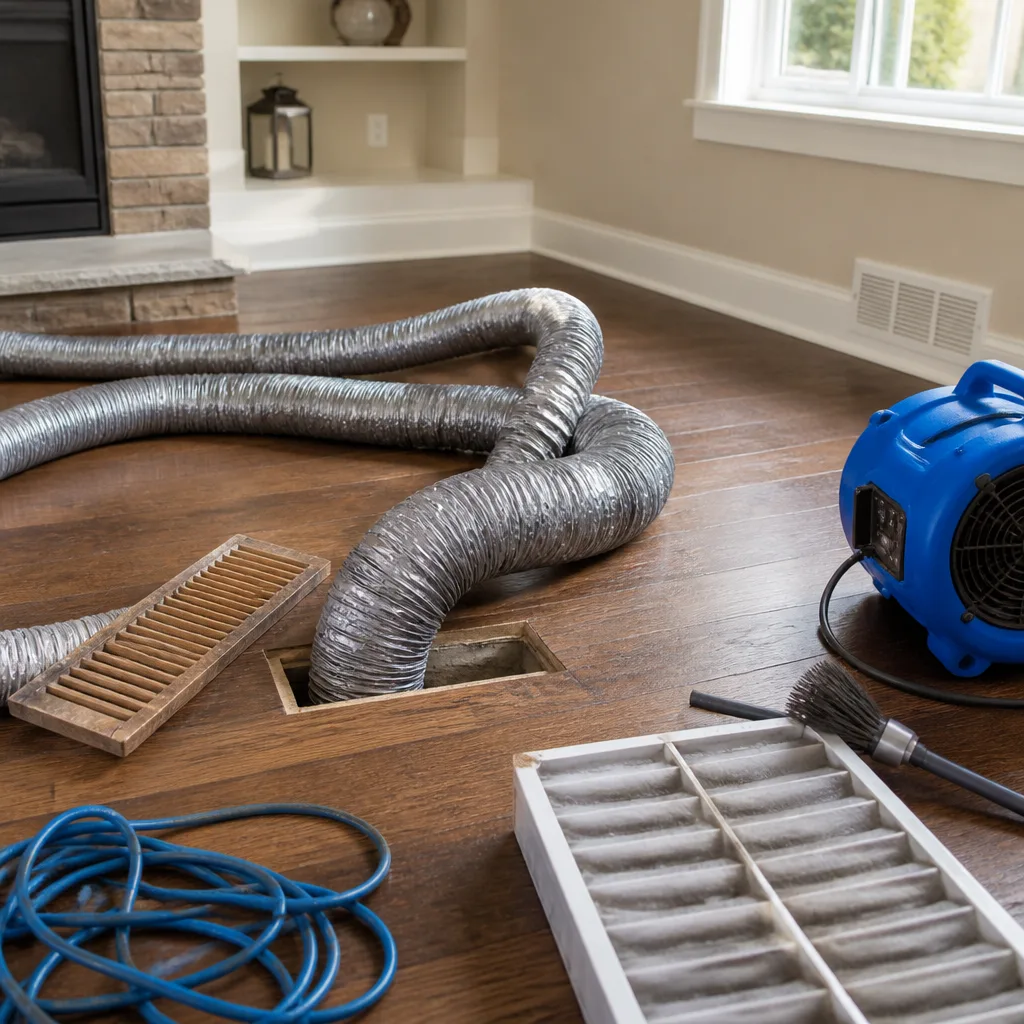 Whole-home duct cleaning
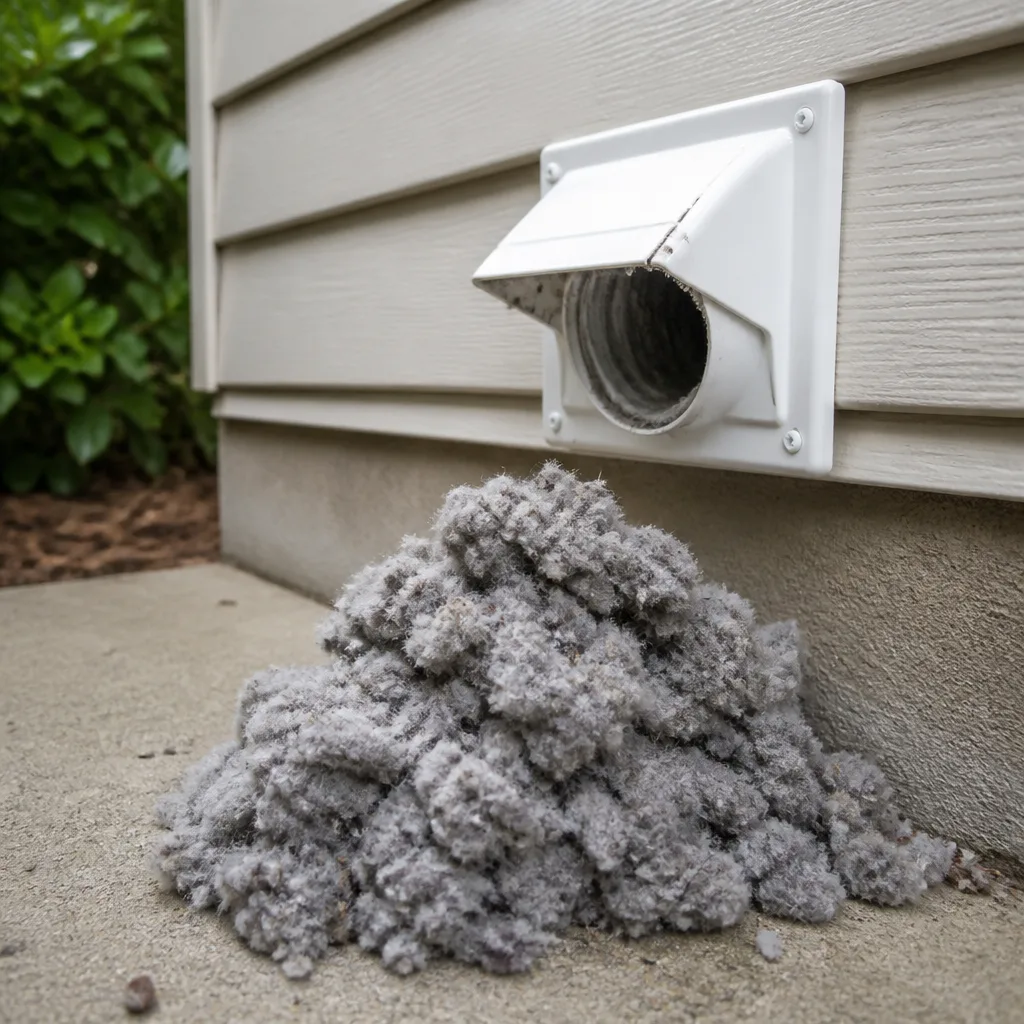 Dryer vent cleaning
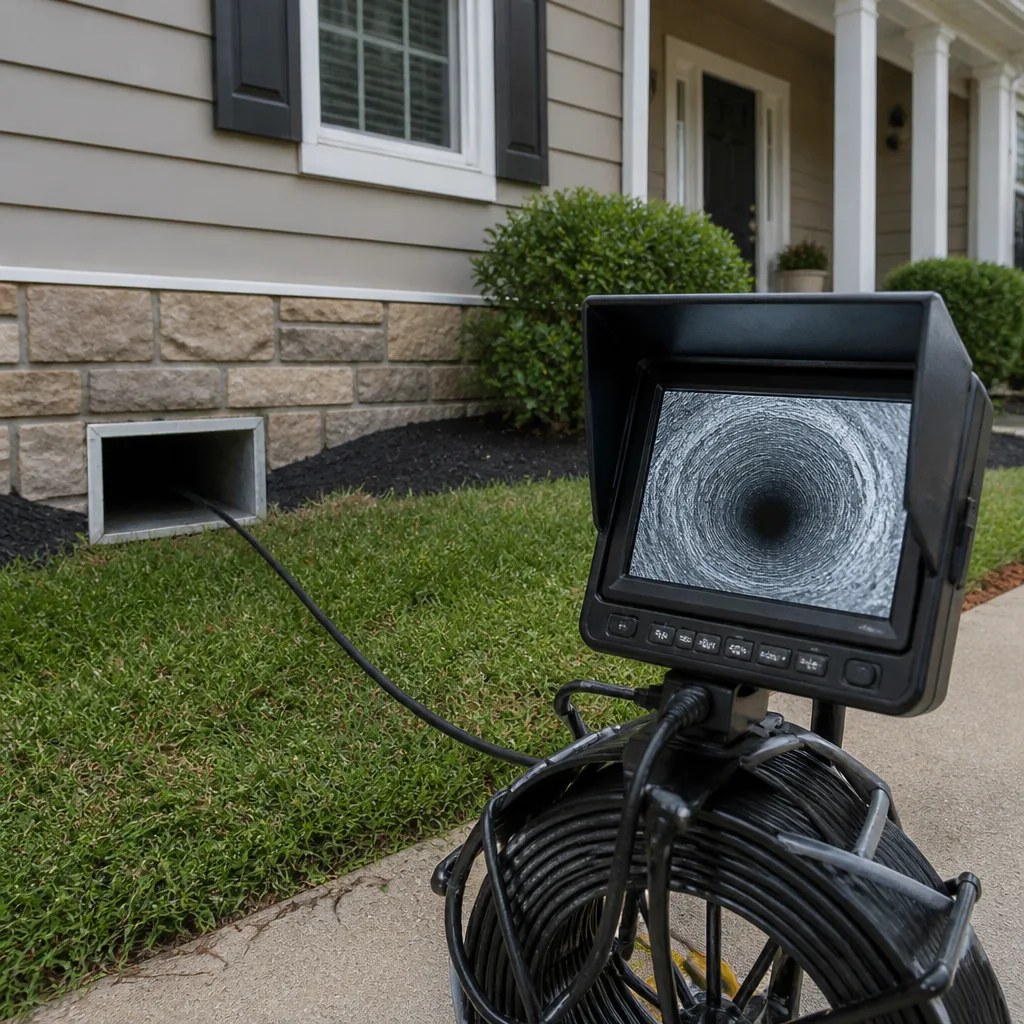 Camera inspection
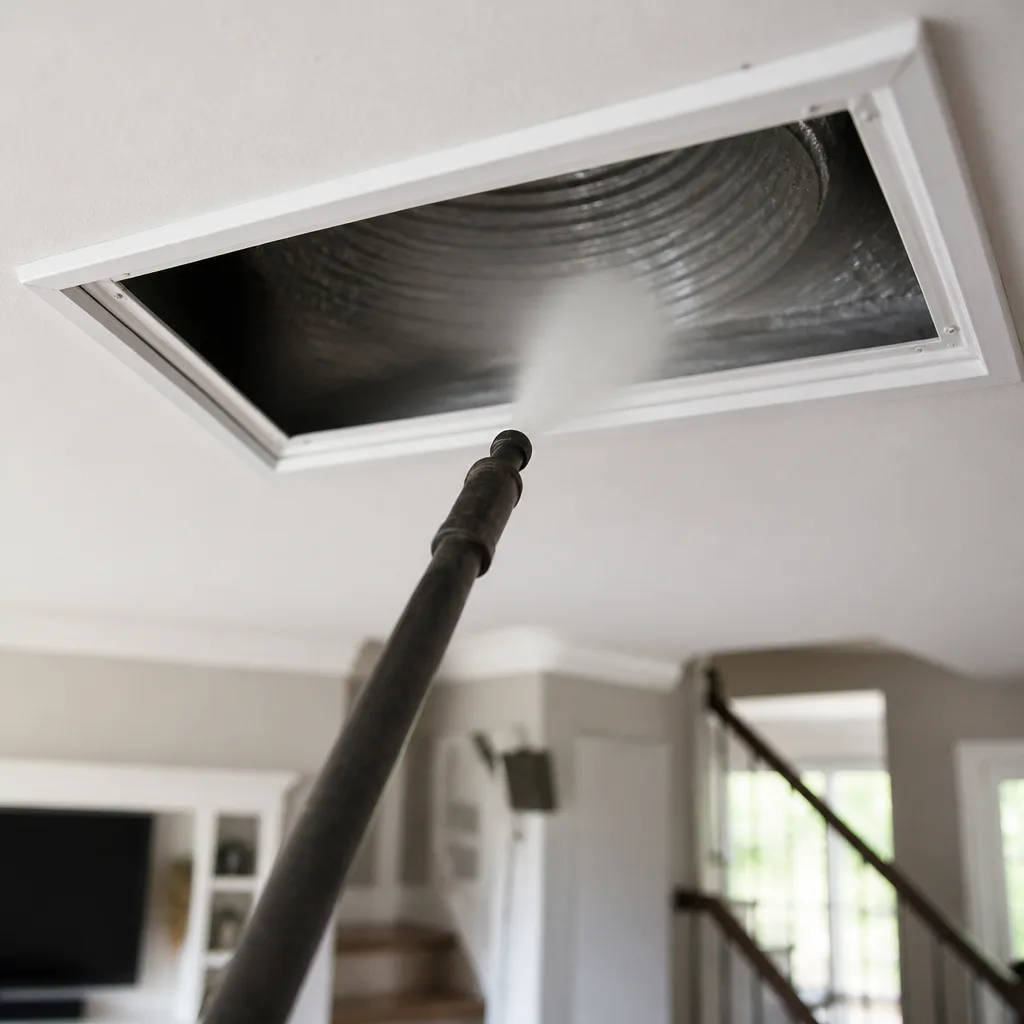 Sanitizing & deodorizing
Whole-system duct and dryer vent check with before-and-after photos - you see exactly what came out of your vents
That "$99 whole-house special" is a bait ad - the real number appears once they are in your hallway, or the "clean" is a shop-vac at the register. We photograph the inside of your ducts before and after instead.
Air Duct Cleaning Maintenance Checklist for Lakeland Homeowners
Most homeowners treat duct cleaning like an oil change: once a schedule is picked, they stop thinking about it. That’s backwards. The EPA doesn’t recommend cleaning on a fixed calendar. It recommends cleaning based on conditions in your home. Which means the useful tool isn’t a reminder on your phone. It’s a checklist you actually track, one that watches the specific things that tell you when your ducts need attention and what else in the system deserves a look at the same time. This guide gives Lakeland homeowners a property-specific framework for doing exactly that, from what to log between visits to what to confirm on a contractor’s work order.
Quick Answer
A duct cleaning maintenance checklist for a Lakeland home should track condition-based triggers (visible debris at registers, rising filter replacement frequency, musty odor after the AC cycles on, allergy patterns), document a baseline after each cleaning, and include Florida-specific items like condensation on supply ducts, moisture at the air handler, and dryer vent clearance. There’s no universal schedule. Your home’s conditions set the timing, and the checklist is how you notice them before they become expensive.
Styles & brands we work with
- Whole-home duct cleaning
- Dryer vent cleaning
- Camera inspection
- Sanitizing & deodorizing
Table of Contents
- Why Condition-Based Beats Calendar-Based
- The Four Condition Triggers to Log Between Visits
- How to Do a Simple Register Check Without Damaging Ductwork
- Florida-Specific Checklist Items Most Guides Miss
- Post-Cleaning Baseline: What to Document and Keep
- What to Confirm on the Contractor’s Work Order
- A Yearly Review You Can Do Yourself
Why Condition-Based Beats Calendar-Based
The single biggest misconception about duct maintenance is that “every three to five years” is a real rule. It isn’t. It’s a rough average that gets repeated so often it sounds like a standard. In practice, a home with pets, recent remodeling, or a habit of running the AC six months straight can need attention far sooner. A clean, low-occupancy home with a good filtration setup may go much longer.
So the checklist you keep should be a tracking system, not a schedule. Your job between professional visits is to notice the signals, write them down, and let the pattern tell you when to book. That’s it.
A second point worth internalizing: duct cleaning in isolation fixes very little if the ductwork itself is leaking, disconnected, or deteriorating. That’s why a proper checklist also watches the system’s structure, not just its cleanliness. This is also why the three core services (cleaning, repair, and dryer vent cleaning) are best treated as connected parts of one system rather than separate errands you get to eventually.
What “professional-grade” actually means in a checklist context
When you do eventually book, the equipment matters because it determines what gets removed versus what gets stirred up. Contact cleaning with a rotary system like Rotobrush physically scrubs the duct walls. A vacuum with a brush attachment cannot do that. And containment filtration, such as Abatement Technologies units used during the job, prevents dislodged debris from recirculating through the house mid-service. A checklist that gets you to book the visit is only half the job. The other half is booking the right kind of visit.
- Track conditions, not years. Note the signal, not just the date.
- Watch the structure too. A noisy or whistling register can mean a leak, not just dirt.
- Log the small stuff. A musty smell after the AC kicks on is a data point. Write it down.
The Four Condition Triggers to Log Between Visits
This is the working heart of the checklist. There are four conditions worth noting on a paper log, a notes app, or the calendar on your fridge. None require any tools or expertise. All of them tell you something specific.
- Visible debris at the registers. Shine a flashlight into a supply register once a month. If you see dust buildup, lint, or a dark film forming on the grille, note the date. Streaky buildup that returns within weeks of a cleaning is a stronger signal than the same buildup after a year.
- Filter replacement frequency. Write down the date every time you swap a filter. A standard 1-inch filter that used to last three months and now loads up in four to six weeks is pulling in far more debris. That’s a condition trigger. Note whether the filter loads evenly or on one side (an uneven load can indicate an airflow or duct problem).
- Allergy or respiratory symptom patterns. If you or a family member notices more coughing, sneezing, or congestion when the system is running, write that down with the date and the room. Correlation isn’t diagnosis, but a symptom cluster tied to a specific vent is worth raising when you eventually call.
- Musty or stale odor after the AC cycles. A smell that appears specifically in the first minutes after the system kicks on is one of the clearest signals on the list. It often points to moisture or biological growth somewhere in the system. In a Lakeland climate where the AC runs for most of the year, this trigger comes up more often than you’d think.
After 60 to 90 days of logging, a pattern usually shows itself. If two or three triggers line up, that’s your cue. If none fire, keep tracking.
How to Do a Simple Register Check Without Damaging Ductwork
You can absolutely check for visible debris on your own. You cannot safely disassemble ductwork or reach into the ducts themselves. Keep the following visual-only and non-invasive. Anything past that belongs to a trained technician.
- Turn the system off at the thermostat. Wait a minute for the fan to spin down.
- Remove only the grille, not the duct. Most grilles have two thumbscrews or a friction fit. Set the screws somewhere you’ll find them again.
- Shine a flashlight inside the opening and look at the first foot or so. You’re looking for dust accumulation, lint, dark staining, or anything that looks like peeling liner.
- Photograph the interior with your phone’s flashlight on. Keep the photo. It becomes part of your baseline file.
- Note any condition you find with the date and the room name. If you see anything that looks like moisture, staining, or growth, stop and call. Do not spray cleaners into the duct.
- Reattach the grille and test the airflow. If it’s noticeably weaker after reattaching, the grille isn’t seated correctly. Adjust it.
Never insert a shop vac hose into a duct. You can dislodge flexible duct liner, crack a seam, or push debris deeper into the system. And never reach past the grille opening with your hand. That’s the point where the checklist stops and a professional visit begins.
Florida-Specific Checklist Items Most Guides Miss
Most duct maintenance guides are written for a national audience and skip the things that matter most in a Lakeland home. Here’s what to add.
- Condensation on supply ducts. In a humid Florida summer, the supply ducts run colder than the surrounding air. A small amount of condensation on the exterior is normal. Water dripping from a duct or accumulating on a nearby surface is not. Note the location and call for a look; wet ductwork is a much bigger problem than dirty ductwork.
- Moisture or staining at the air handler. Look at the cabinet and the surrounding platform. Any standing water, rust, or dark staining on the insulation is worth scheduling a professional visit for, because it’s often the first visible sign of a larger moisture problem.
- Dryer vent clearance. The dryer vent should exhaust freely to the outside with no crushed sections, no kinks behind the dryer, and no lint buildup at the exterior termination. If your laundry takes longer to dry than it used to, or you smell a musty scent in the laundry room, that’s a signal. Dryer vent maintenance is a fire-prevention service, not a cosmetic add-on, and it belongs on the same checklist as your ducts.
- Return air path check. Confirm the return grilles aren’t blocked by furniture, rugs, or boxes. A blocked return starves the system and pulls dust from gaps instead of the intended path.
- Outdoor unit clearance. The exterior condenser needs airflow. Trim vegetation and keep the area around it clear, especially after storm season.
For a deeper walk-through of what routine service involves across the Lakeland area, that’s the right next read once you’ve logged a few triggers.
Post-Cleaning Baseline: What to Document and Keep
Once you have professional cleaning done, you have a unique moment to build your baseline. This is the reference point every future trigger gets compared to, and most homeowners skip it. Don’t.
What to photograph and file
- Before and after photos of each register. Ask the contractor for them, and take your own with a flashlight if you want a second reference. Save both to a folder labeled with the date.
- Photos of the air handler cabinet interior, including the evaporator area, if the technician can get them safely.
- The dated filter you installed right after cleaning. Write the install date on the filter edge with a marker.
- The written scope of work. Every component cleaned, every repair performed, every vent or component left alone with the reason noted. A complete scope in writing is what lets you compare the next visit accurately.
- A short video of the dryer vent exterior termination showing airflow with the dryer running, after it’s been cleaned.
Keep all of this in one place: a labeled folder in your phone or a physical envelope in a drawer. The point isn’t bureaucracy. It’s that when a future trigger fires, you can put the photo side by side with today’s condition and see the difference. That’s how you know the work was actually done, and it’s how you spot a problem early.
What to ask the technician about system components
If your home has a Honeywell or Aprilaire filter cabinet or air cleaner already installed, confirm during the visit that the filter or cleaner is compatible with what’s in place and that the cleaning didn’t disturb its seals. Familiarity with these components matters because a cleaning that leaves a cabinet filter unbalanced or reseated incorrectly undoes the benefit.
What to Confirm on the Contractor’s Work Order
This is where a lot of homeowners get let down, and it’s completely avoidable. The work order is your proof-of-scope document. Read it before you sign it, and confirm the following.
- The scope lists every component cleaned: supply trunk lines, branch runs, registers, return ducts, and the air handler. If any of these are missing from the list, ask why.
- It states the containment and equipment used. A work order that just says “duct cleaning” tells you nothing. One that names the equipment and method (contact cleaning, containment filtration) tells you the job was scoped as a professional service, not a one-pass vacuum.
- Any repairs are listed separately with the components affected. If the technician found a disconnected run or damaged liner, the repair should appear as a distinct line item.
- The dryer vent is addressed if it was part of the visit. Scope should confirm whether the vent was cleaned, and whether the exterior termination was cleared.
- The photos and a summary are attached to the final invoice or work order, before payment. Ask for them if they aren’t included.
- You have a written record of anything skipped, with a reason. A good technician will tell you what they didn’t clean and why, not leave you guessing.
A written scope is the difference between knowing your ducts are clean and assuming they are. And if a repair is recommended, ask for a separate visit or an updated written scope. If the recommendation converts a cleaning into a repair job you didn’t approve in advance, get the estimate in writing before anyone touches the ductwork. Comparing a written range to the final invoice is the entry point for knowing your job air duct cleaning pricing on a given day.
A Yearly Review You Can Do Yourself
Once a year, take thirty minutes and walk the house with a flashlight and your log. The goal isn’t to do the cleaning yourself. It’s to make a booking decision based on what you find, not a guess.
- Walk every room and check every supply and return register with the flashlight. Note any visible buildup or staining.
- Open the filter cabinet and check the current filter’s load pattern. Compare to your last logged filter replacement.
- Look at the air handler cabinet and the platform under it. Look for moisture, rust, or staining.
- Run the dryer for five minutes and step outside to the vent termination. Confirm strong airflow and no lint at the exit.
- Review the log. Did two or more triggers fire in the last 12 months? Then book an inspection. If none fired, keep tracking.
- Compare this year’s photos to the baseline photos. Any visible change is worth flagging.
For a thorough walk-through of what a full professional service involves, read our guide to Lakeland Duct Cleaning, and if your log shows structural issues rather than just dirt, book a duct inspection rather than a cleaning.
Common Mistakes to Avoid
- Treating duct cleaning as a fixed three-year calendar item. It isn’t. The EPA’s own guidance points to condition-based decisions, and a home with pets or recent remodeling can need attention far sooner than a low-occupancy one.
- Assuming a cheap one-pass vacuum counts as cleaning. Contact cleaning is different from air washing. If the technician isn’t physically agitating the duct walls with a rotary tool, they’re not removing the buildup; they’re disturbing it.
- Forgetting the dryer vent entirely. Dryer vent cleaning is a fire-prevention service. It’s often treated as an optional add-on when it should be a regular item on the checklist. If the downstairs laundry in your Lakeland home runs slow and warm, that’s a signal to address it.
- Skipping the baseline after a cleaning. No before-and-after photos, no written scope, no logged filter date means you have no way to know whether the next problem was there all along or is new. Keep the file.
- Doing DIY maintenance past the grille. Removing a register to look inside is fine. Sticking a vacuum hose into a duct, spraying cleaners into it, or reaching in with your hand is not. You can damage the flexible liner and you can dislodge debris deeper into the run.
- Ignoring moisture. A little condensation on a supply duct in a humid Florida summer is normal. Water on the platform under the air handler, staining on the cabinet insulation, or a musty smell after the AC cycles on is not. Call for a look.
- Booking a cleaning when the system needs repair. A duct that’s leaking or disconnected stays that way after cleaning. If the checklist surfaces structural symptoms (whistling, weak airflow in one room, visible separation at a joint), book an inspection, not just a cleaning.
See the difference
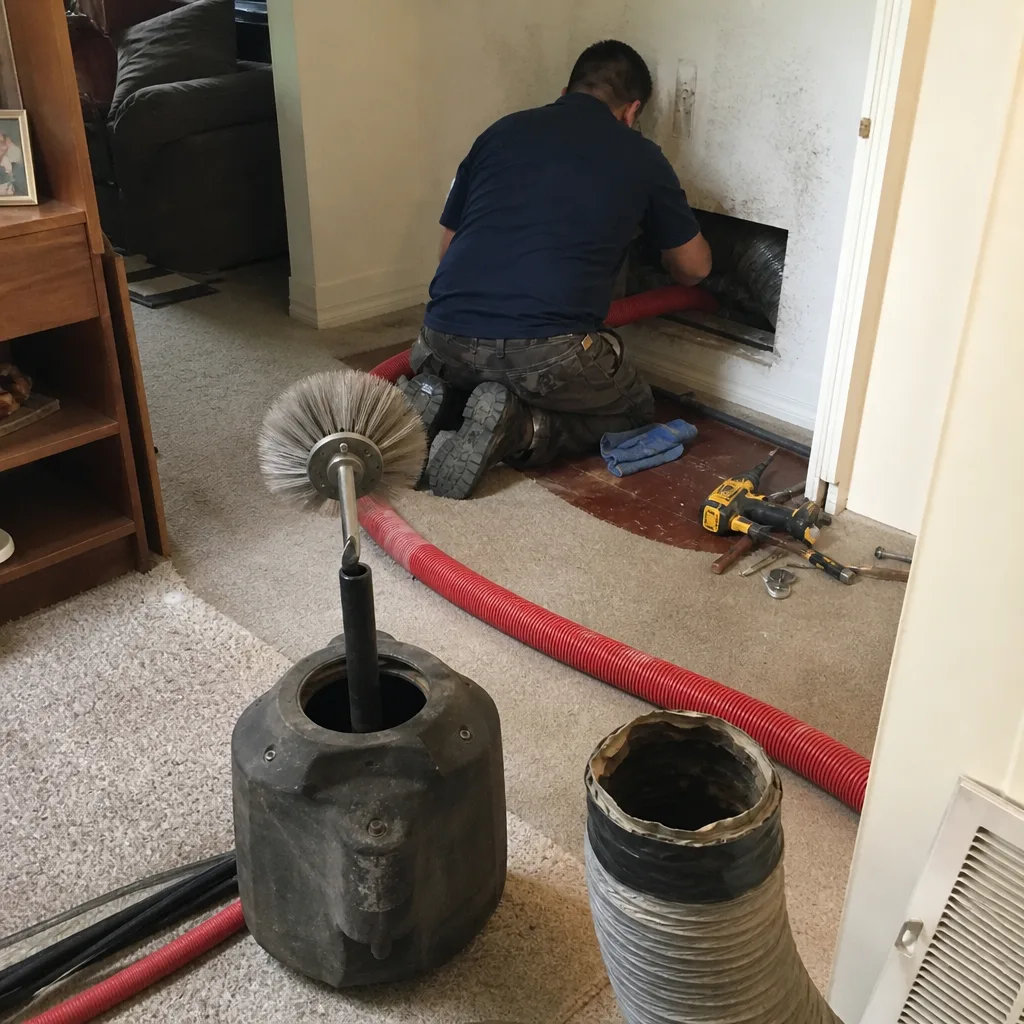 Before
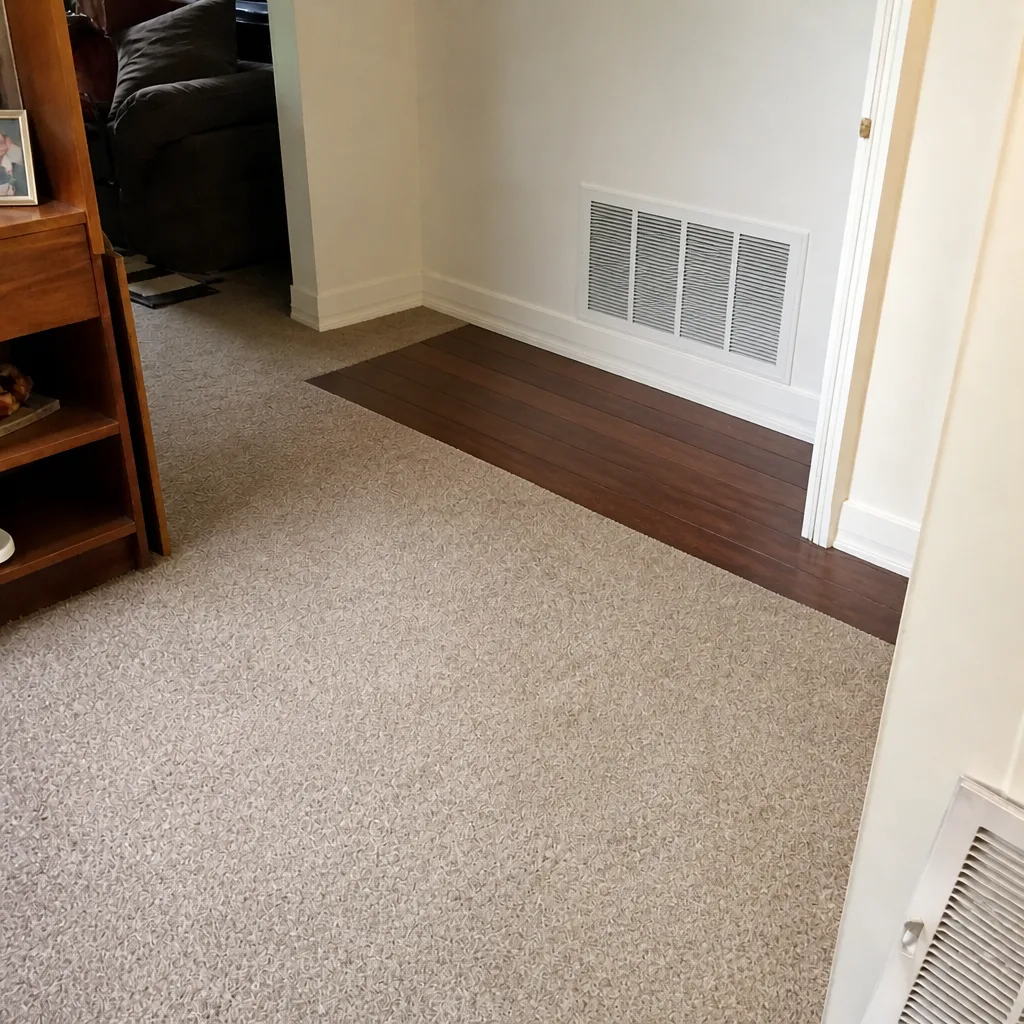 After
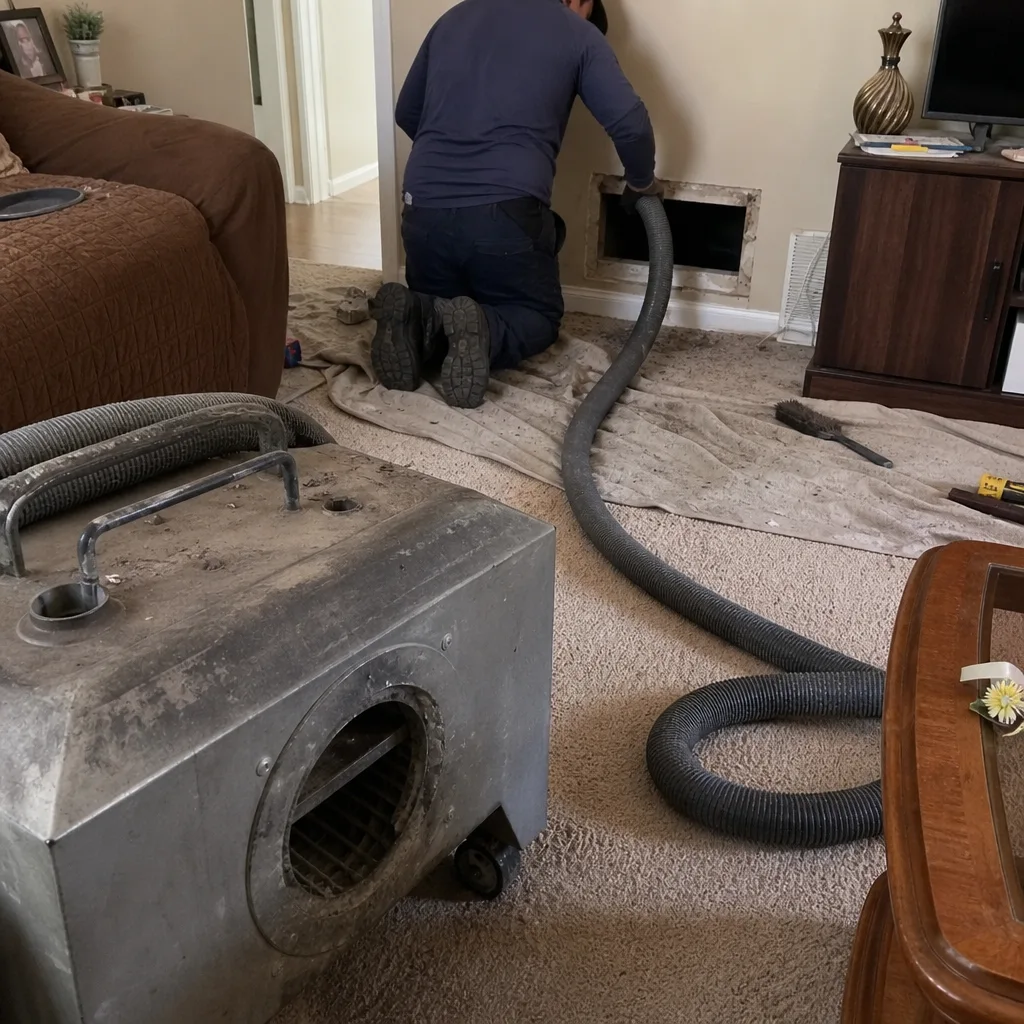 Before
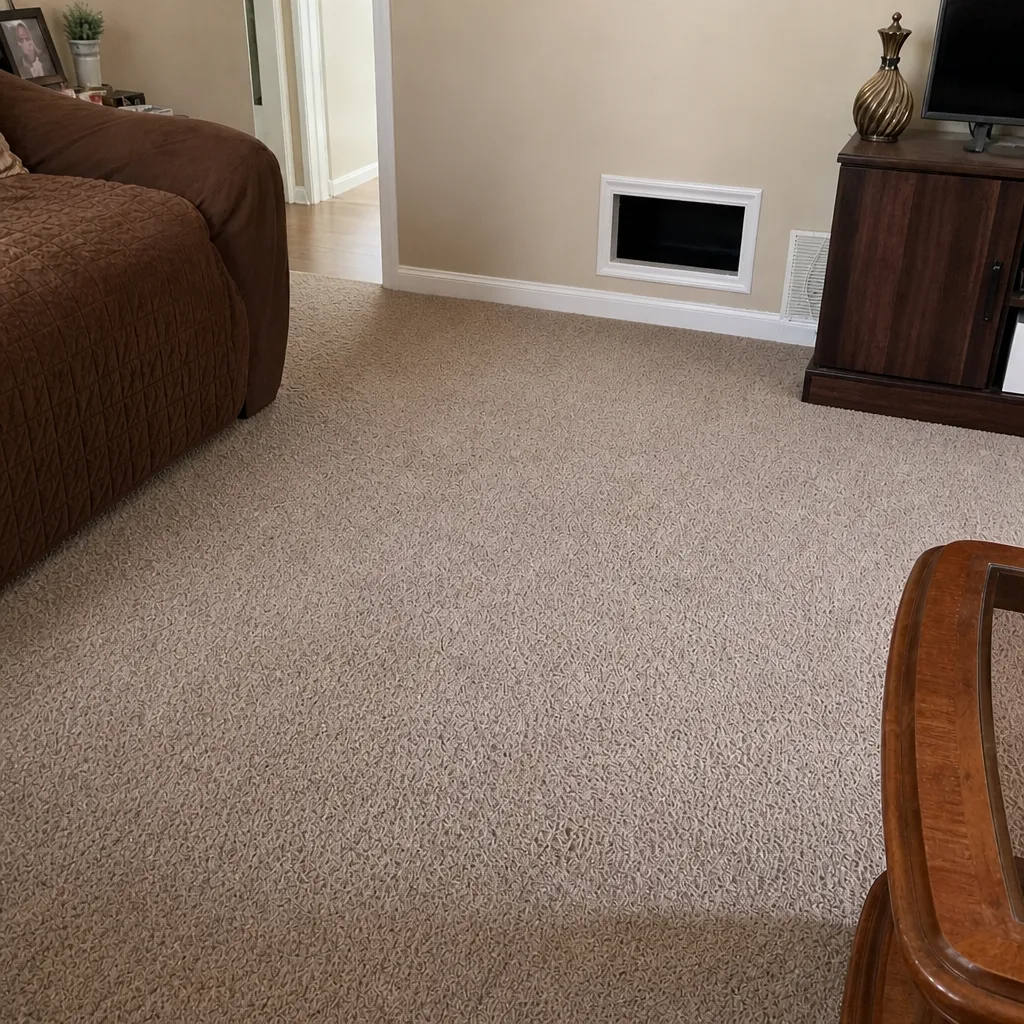 After
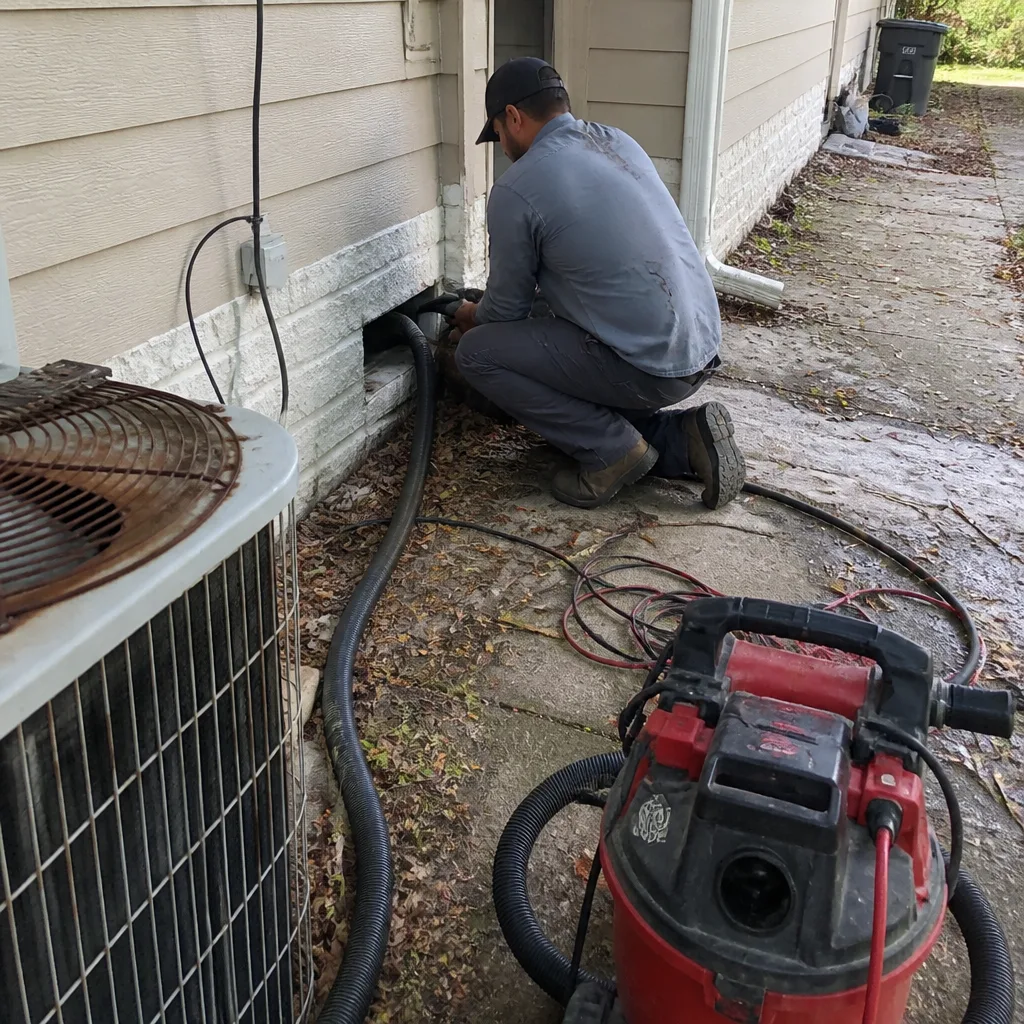 Before
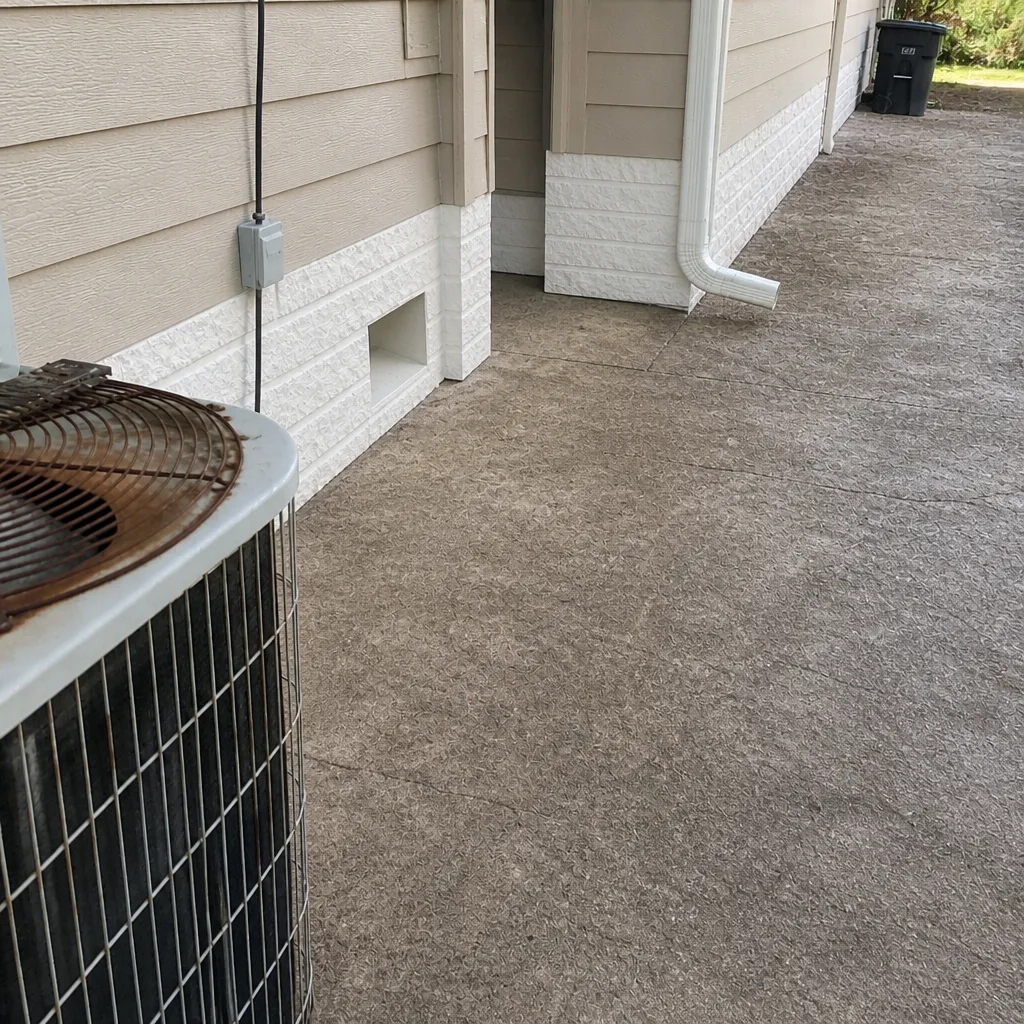 After
When to Call a Professional
Some checklist items are strictly “later.” Others are “now.” Book a professional visit promptly if you find any of the following: water staining or standing moisture at the air handler, a musty or mold-like odor that appears right after the AC cycles on, visible mold or dark growth on duct surfaces, a dryer vent that exhausts slowly or feels hot, a torn or disconnected flexible duct run, or a persistent symptom pattern that lines up with a specific room. Any of these deserves an inspection rather than a wait-and-see approach. The same is true if you’ve just moved into an older Lakeland property and have no service history to reference.
Lakeland Duct Cleaning offers free estimates in Lakeland. Call (855) 360-9053. We answer 24/7. Fast dispatch from 7am to 7pm, Sunday through Friday.
Frequently Asked Questions
There’s no fixed interval – duct cleaning is triggered by conditions, not by a calendar. Homes with pets, recent remodeling, or occupant allergy symptoms generally need attention more often than clean, low-occupancy homes. Use the checklist in this guide to log the four condition triggers, and let the pattern set your timing. Call (855) 360-9053 for an exact quote – estimates are free.
Most professional-grade whole-system cleanings fall in a wide range that depends heavily on the size of the home, the number of runs, whether return and air handler components are included, and whether any repairs are needed. The number that matters is the one in the written estimate, and it should be quoted as one flat price per system before work begins, not a low teaser that grows into a much larger invoice once the technician is on site. Call (855) 360-9053 for an exact quote – estimates are free.
Cheap quotes are usually cheap because they’re not doing the same work: a one-pass vacuum instead of contact cleaning, no containment filtration, a partial scope that skips return ducts or the air handler, and no documentation. When you compare quotes, compare the scope and equipment line, not just the price line. A quote you can’t compare is a quote you can’t trust. Call (855) 360-9053 for an exact quote – estimates are free.
Before-and-after photos of your own registers, a written scope naming every component cleaned, and a summary attached to the invoice. If any of those are missing, ask for them. A professional operation documents the work as a matter of course. Call (855) 360-9053 for an exact quote – estimates are free.
Yes, and you should. Removing a register grille to shine a flashlight inside is safe and useful. Inserting a vacuum hose, spraying cleaner into the duct, or reaching beyond the grille is not, and can damage flexible duct liner. Keep the DIY portion strictly visual, photograph what you find, and book a professional visit if anything looks structural. Call (855) 360-9053 for an exact quote – estimates are free.
Yes: watch for condensation on supply ducts, moisture at the air handler, and any musty smell after the AC starts up, because long cooling seasons raise the moisture stakes. Dryer vent clearance belongs on the same checklist as a fire-prevention item. These are the local-specific items most national guides skip. Call (855) 360-9053 for an exact quote – estimates are free.
The Bottom Line
Duct maintenance isn’t a schedule. It’s a system for tracking the four condition triggers in your specific home: visible debris at the registers, filter replacement frequency, symptom patterns, and musty odor after the AC cycles on. Log them, check the registers and dryer vent visually once a year, and keep a baseline file with before-and-after photos and a written scope after every cleaning. Then read your work order before you sign it, and hold the service to a full-system scope that names the equipment, the components, and every repair. That’s the checklist that actually protects your ductwork. Our technicians have up to 8 years of experience, and we use professional-grade equipment from Rotobrush, Nikro, and Abatement Technologies to deliver contact cleaning plus containment filtration, along with dedicated dryer vent cleaning and air duct repair.
Ready to move from tracking to booking? Call (855) 360-9053 for a free estimate. We answer 24/7. Fast dispatch from 7am to 7pm, Sunday through Friday.
Written by the team at Lakeland Duct Cleaning.