
Last updated November 15, 2026
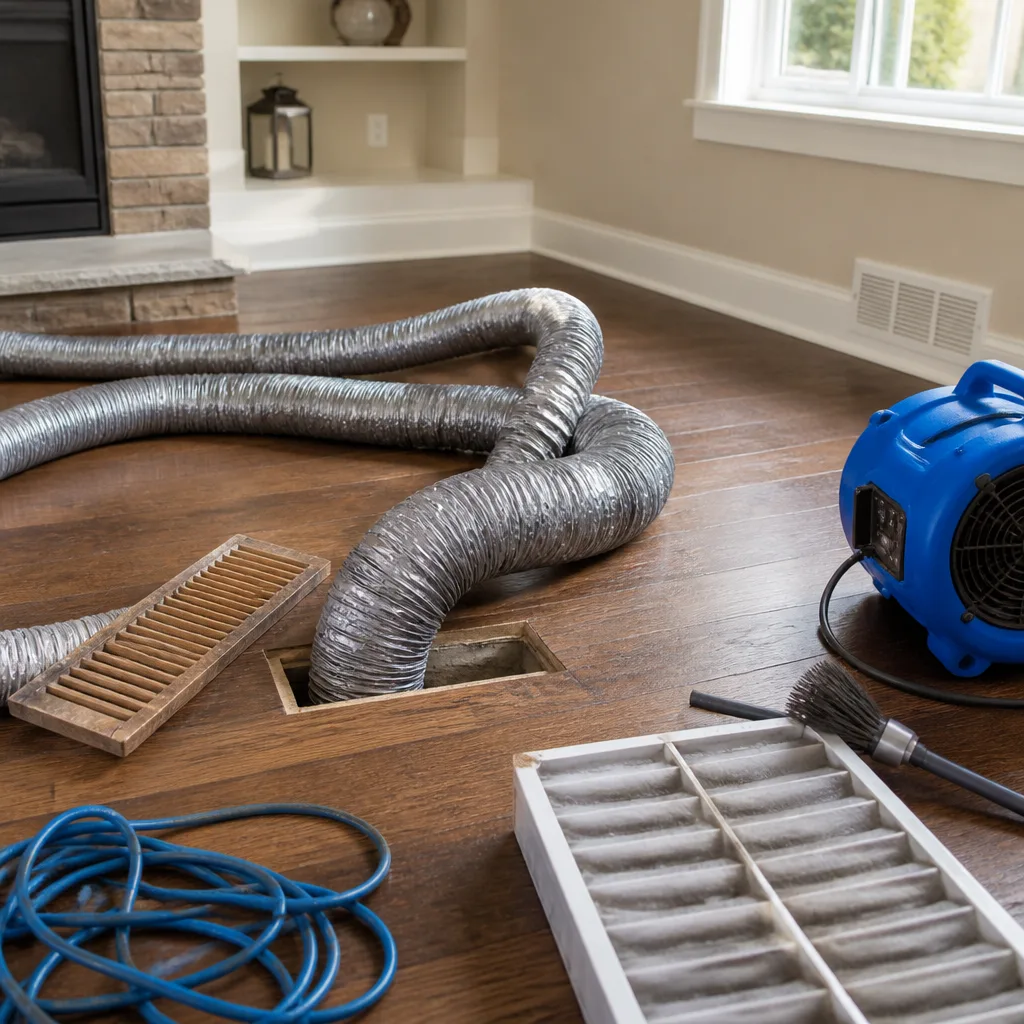 Whole-home duct cleaning
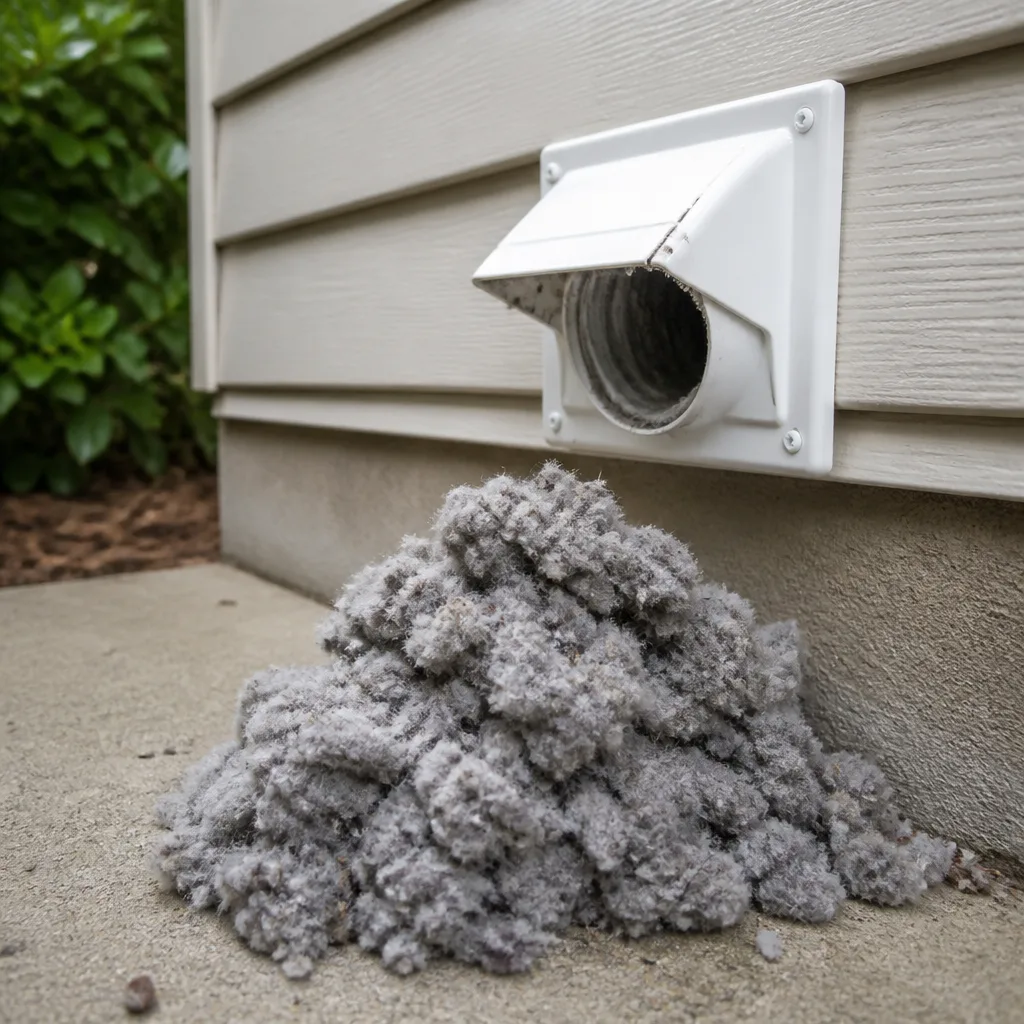 Dryer vent cleaning
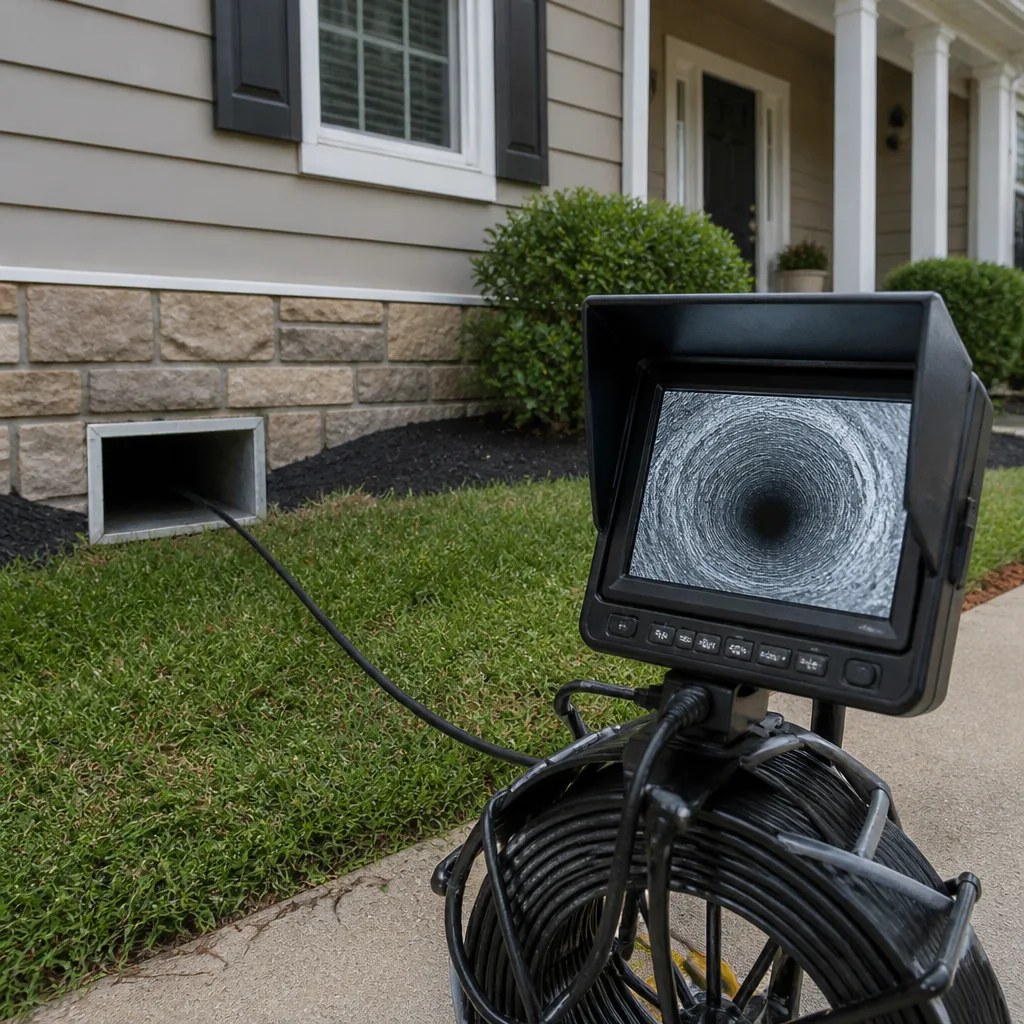 Camera inspection
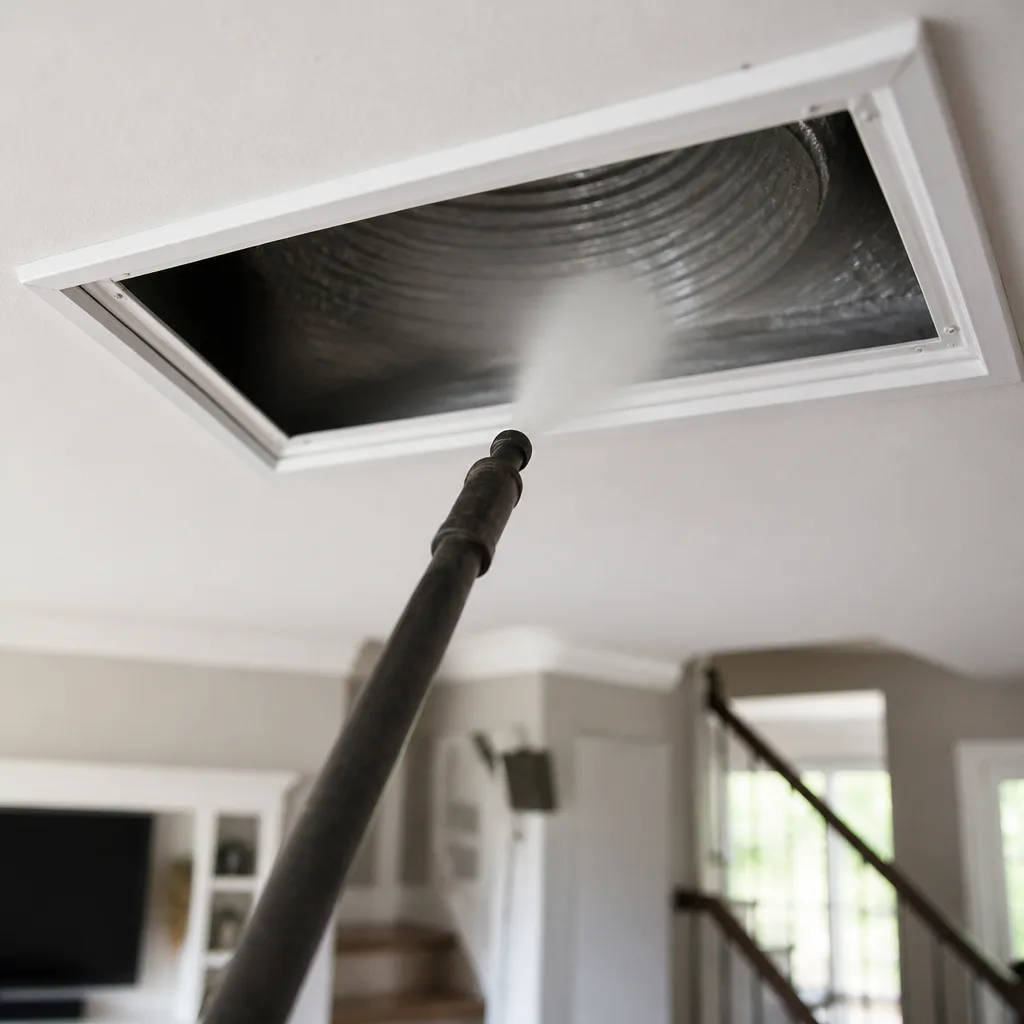 Sanitizing & deodorizing
Whole-system duct and dryer vent check with before-and-after photos - you see exactly what came out of your vents
That "$99 whole-house special" is a bait ad - the real number appears once they are in your hallway, or the "clean" is a shop-vac at the register. We photograph the inside of your ducts before and after instead.
Air Duct Cleaning Emergency Preparedness Guide for Lakeland Homes
Most homeowners treat duct cleaning as routine maintenance, and that assumption is exactly what causes problems after a storm. When a tropical system pushes through Polk County, the duct system becomes the one part of your house that can quietly collect water, insulation, and outdoor debris – and then spread them through every room the moment the air handler switches back on. This guide is about a different kind of readiness. It covers what to do before a named storm, how to assess your ducts after one, why sequence matters, and how to document damage for an insurance claim. We’ll walk through it from a Lakeland perspective, because the weather here asks more of a duct system than most of the country does.
Quick Answer
Before a named storm, shut off the AC at the thermostat and breaker and cover exterior vent terminations to keep wind-driven rain and debris out. After the storm, do not run the system until you’ve inspected the ducts, the air handler, and the return for water or debris. If water reached the ductwork or the air handler cabinet, the job is emergency drying and remediation first, and duct cleaning only after the system is verified dry and sound.
Styles & brands we work with
- Whole-home duct cleaning
- Dryer vent cleaning
- Camera inspection
- Sanitizing & deodorizing
Table of Contents
- Why Lakeland’s Storm Exposure Makes Duct Preparedness Different
- Pre-Storm Prep: What to Shut Down and Cover
- Why You Shouldn’t Run the AC Before Inspecting the Ducts
- What Homeowners Can Safely Check Themselves After a Storm
- Emergency Duct Drying vs. Duct Cleaning: Why Sequence Matters
- Documentation for Insurance Claims Involving HVAC and Duct Damage
- When to Schedule a Post-Storm Duct Service
- Frequently Asked Questions
Why Lakeland’s Storm Exposure Makes Duct Preparedness Different
Lakeland sits in the middle of Polk County, and that inland position does not offer the protection people sometimes assume it does. Thunderstorm activity across Central Florida is intense through the summer months, and tropical systems moving across the peninsula can bring wind-driven rain into places the building envelope was never designed to shed. That matters for ducts specifically because a duct system has openings to the outdoors: the return and supply terminations on the exterior, the fresh-air intake if one is installed, and the dryer vent. Each one is a potential entry point for water, insulation particles, and organic debris carried on wind.
The humidity is the other half of the story. Air that sits at high relative humidity inside a duct system after a storm is ideal growing conditions for mold, and a power outage extends the window in which the house is closed up, unconditioned, and unavailable to dry itself out. When electricity comes back and the air handler starts moving air through ductwork that is still damp, the system distributes whatever has begun growing in it to every conditioned room.
Add up the mechanics and the pattern is clear. Lakeland homes face:
- Wind-driven rain entering exterior vent terminations during named storms
- Storm debris that lands on roofs and gutters and can work into attic duct runs
- Power outages that leave duct systems damp and unconditioned for hours or longer
- Rapid mold acceleration in any duct system that holds moisture after the storm passes
- Older ductwork, especially flexible duct with deteriorating outer jackets, that is more vulnerable to moisture intrusion
None of that is a reason to panic. It’s a reason to have a plan before the storm forms, because the decisions that protect a duct system happen in a specific order and a storm doesn’t give you time to sort them out in the moment.
Pre-Storm Prep: What to Shut Down and Cover
Pre-storm prep for your duct system comes down to cutting off airflow and closing off outdoor openings, which takes far less time than most homeowners expect. When a named storm is forecast to affect Lakeland, work through these steps while power is still on and conditions are calm.
- Turn off the system at the thermostat. Set the thermostat to off so nothing triggers the air handler while you’re working through the rest of the list.
- Kill power at the breaker. Locate the dedicated circuit for your air handler or packaged unit and switch it off. This prevents the system from cycling on during or immediately after the storm and pulling air from a building that’s under pressure from wind.
- Cover exterior vent terminations. Supply and return terminations on exterior walls, along with any fresh-air intake, can take wind-driven rain. Cover them with a weather-rated cover, secured so wind can’t peel it off. Don’t use loose plastic sheeting that can become airborne debris.
- Walk the attic if it’s safe and accessible. Before the storm, note the condition of the duct runs – are there visible tears in the jacket, disconnected sections, or sagging runs sitting in water-prone areas? Photograph what you see. This “before” record is valuable later.
- Secure the dryer vent exterior hood. Check that the exterior flap sits flush and the vent run is clear. It’s a small opening, but it’s a direct path from outdoors to the inside of your home.
- Clear the area around exterior equipment. For a packaged or outdoor unit, remove loose items nearby that could become projectiles in high wind and damage the cabinet or the connections.
- Store documentation in a waterproof place. Keep your insurance policy details, photographs of your system, and this guide’s checklist together in a place you can reach without power.
One thing worth adding to the list before the season starts: if your ductwork has visible damage – sagging runs, torn outer jackets, disconnected joints – storm prep is a poor time to discover it. Getting repairs done before storm season is a much better arrangement, and we’ll come back to that.
Why You Shouldn’t Run the AC Before Inspecting the Ducts
Do not run your air conditioning system after flooding, storm surge, or severe storm damage until the ducts and air handler have been inspected. This is the single most important rule in this guide, and it’s the one most often broken in the hours after a storm when the house is hot and everyone wants the air back on.
The reasoning is straightforward once you understand what a running air handler does. The system is a pressure machine. It draws air from the return, pushes it through the supply ducts, and delivers it to every conditioned room. Whatever that air stream picks up along the way – water droplets, loosened insulation, dust disturbed by storm damage, mold spores from a damp surface – goes into the living space. A duct system that took on water during the storm becomes a distribution network for that moisture if you start the system before the ducts are dried and cleaned.
There’s a second reason that gets less attention. If a duct run has become disconnected or the air handler cabinet has taken water into a component, restarting the system can cause mechanical damage on top of the storm damage. A blower pushing against a blocked or disconnected run is working harder than it was designed to. It isn’t just about air quality; it’s about not turning a remediation job into a repair job at the air handler.
The safer approach after a storm in Lakeland:
- Leave the thermostat off and the breaker off until you’ve completed a visual inspection
- Check the return and supply registers in every room for visible water or debris
- Look at the air handler cabinet and the immediate duct connections for moisture
- If you can safely access the attic, look for standing water, saturated insulation, or disconnected duct sections
- If anything looks wet, disconnected, or contaminated, call a professional before restoring power to the system
If the inspection turns up nothing – no water, no debris, all connections intact – restoring power and running the system is reasonable. That’s the difference between being ready and being reckless.
What Homeowners Can Safely Check Themselves After a Storm
After the storm passes and it’s safe to walk the property, there’s a meaningful amount of assessment you can do yourself, and it will make any professional visit more productive. The key word is “safely.” That excludes anything that puts you into a flooded attic, onto a wet roof, or into contact with electrical components.
Safe to check:
- Every supply register and return grille in the conditioned space, looking for moisture, visible debris, or a musty smell
- The exterior vent terminations, checking that covers stayed in place and that no debris is packed into the openings
- The dryer vent exterior hood, checking that the flap moves freely and the vent run isn’t blocked
- The area immediately around the air handler or packaged unit for standing water
- Visible ductwork in an attic or crawlspace, from a safe distance and dry footing only, looking for obvious disconnections or sagging
- Photographs of everything you find, taken before you move anything
Not safe to check yourself:
- Any attic or crawlspace with standing water or saturated insulation
- Any electrical component, including inside the air handler cabinet
- Anything requiring a ladder on a wet or damaged surface
- Any duct run you’d have to physically move or disconnect to inspect
The rule of thumb: look, photograph, smell. Don’t touch, detach, or power up. A musty, damp, or earthy smell from a register after a storm is reason enough to stop and call a professional, even if you see no water.
Emergency Duct Drying vs. Duct Cleaning: Why Sequence Matters
Emergency duct drying and duct cleaning are two different scopes of work, and doing them out of order wastes money and can make things worse. Drying comes first. Cleaning comes after the system is confirmed dry and structurally sound.
Here’s the distinction in plain terms:
- Emergency duct drying is a remediation scope. It addresses water that has entered the duct system, the air handler area, or the insulation around ductwork. It typically involves moisture assessment, removal of saturated materials that can’t be dried in place, and mechanical drying. It is not something a cleaning company should improvise, and it isn’t a substitute for cleaning once the system is dry.
- Duct cleaning is a contact-cleaning scope. Once the system is dry, the ducts still hold whatever the storm pushed in and whatever grew while the house was damp. Cleaning addresses that contamination in the entire duct system – supply, return, and the air handler connections.
Why sequence matters: if you clean a duct system that is still holding moisture, you agitate and distribute contamination without solving the underlying problem, and the inside of the ducts can recontaminate quickly. If you dry a system without cleaning afterward, you’ve dealt with the water but not the debris and biological material that came with it. In our experience in Lakeland, homes that dealt with water intrusion after a storm need both, and the drying has to happen first.
If ductwork has been damaged – a disconnected joint, a crushed run, an outer jacket torn by debris – cleaning alone won’t fix it. That’s where duct repair becomes part of the plan. Sometimes you’re dealing with three scopes in the same system: dry, repair, clean.
This is also why we lean on contact-cleaning equipment like Rotobrush for the cleaning phase. A rotary system agitates and extracts debris from duct walls rather than just blowing air through the system, which matters a great deal when you’re dealing with post-storm contamination. During the cleaning, we run HEPA filtration from Abatement Technologies to capture dislodged material at the source instead of letting it recirculate through the house.
Documentation for Insurance Claims Involving HVAC and Duct Damage
If storm damage reached your HVAC and duct system, the quality of your documentation will determine how smoothly the claim goes. Start photographing before you touch anything, and keep a written log of what you found, when you found it, and what you did about it.
Here’s a documentation approach that holds up:
- Photograph before you clean anything. Every register, the air handler area, any visible duct damage, and the exterior vent terminations. Capture wide shots and close-ups.
- Photograph the pre-storm condition if you have it. This is why we suggest photos during pre-storm prep – the contrast between before and after is far more persuasive than after photos alone.
- Keep a written timeline. When did power go out? When did it come back? When did you turn the system off, and when did you first notice moisture? A dated log is worth a lot in a claim.
- Get an assessment in writing. A professional assessment should identify the affected components, describe the condition, and outline the recommended scope. Ask for it in writing.
- Keep photographs of the completed work. Before-and-after photos of the duct system show that the recommended scope was actually performed, and that’s useful both for the insurer and for your own records.
- Retain all service receipts and documentation. Store everything in the same place you kept the policy details.
We can work with your insurer on documentation, and we’ll provide a written scope of work before any service begins so there’s no question about what was recommended and why. What we can’t do is tell you what your policy covers – that’s a conversation with your insurer, and it’s worth having it early.
When to Schedule a Post-Storm Duct Service
If your ducts took on water or debris, wait as little as you can. The mold acceleration window after a storm is short, and the longer a damp duct system sits, the more work it takes to bring it back to a sound, clean condition. Lakeland’s humidity doesn’t give you weeks to think it over.
Schedule a post-storm service when:
- You saw water in the air handler area, at the registers, or in the attic duct runs
- You smell a musty or earthy odor from registers after the storm cleared
- You found debris packed into exterior vent terminations or attic duct runs
- Any duct run was disconnected, crushed, or damaged during the storm
- Your system is older, or you’re not sure when it was last serviced
- You’re moving into a home in Lakeland that was affected by a recent storm or has an unclear service history
We handle the three scopes that a post-storm scenario typically needs under one roof: air duct cleaning, duct repair, and dryer vent cleaning. That matters after a storm, because you don’t want to coordinate three contractors while your house sits damp.
Our technicians have up to 8 years of experience, and we work with the air quality and filtration components already installed in most homes. If your system runs Honeywell or Aprilaire components, we’re familiar with how those integrate with the ductwork, and we’ll note their condition during the visit.
One more thing on timing: if you know your ductwork has visible damage or deterioration, getting it addressed before storm season is far better than dealing with it after. Duct repair isn’t a seasonal service, but the value of it is highest when it’s done before a storm puts the system under pressure. A repaired, well-sealed duct system handles a storm far better than a compromised one.
See the difference
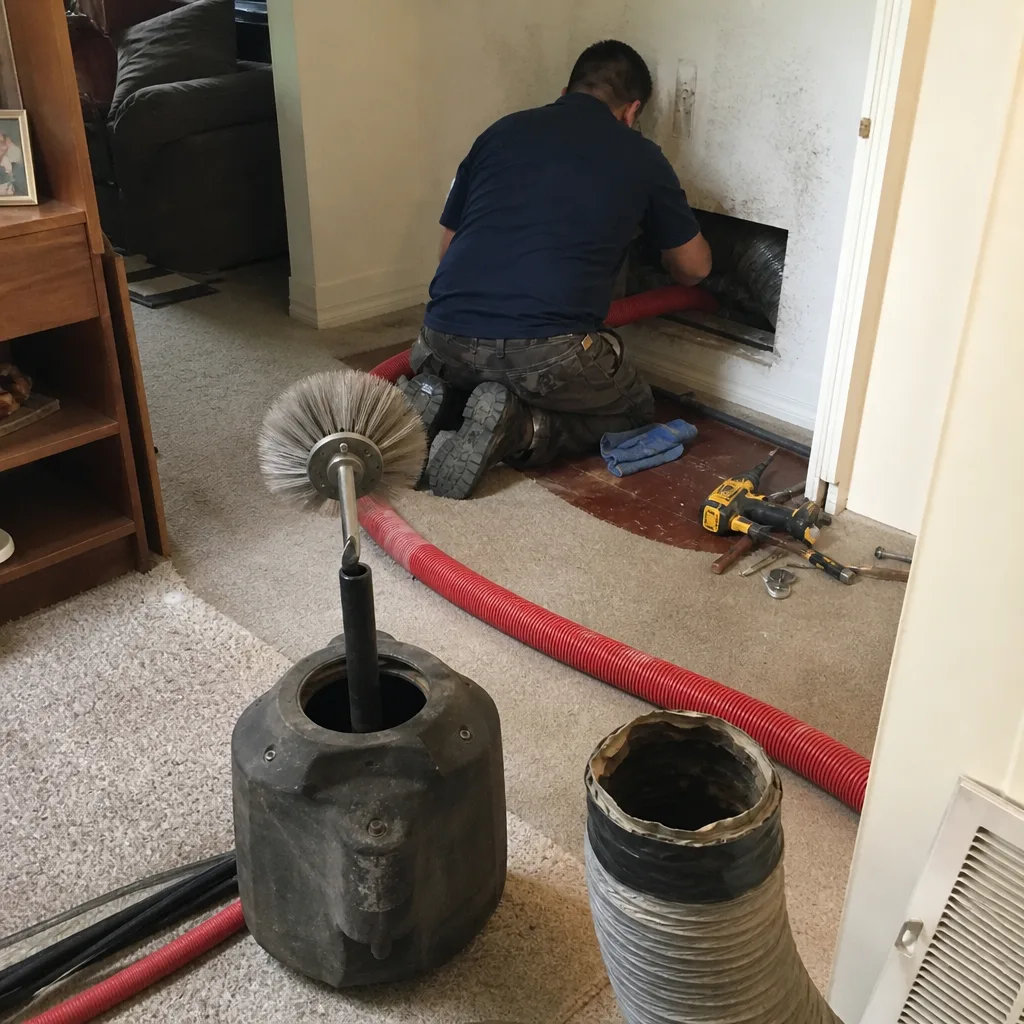 Before
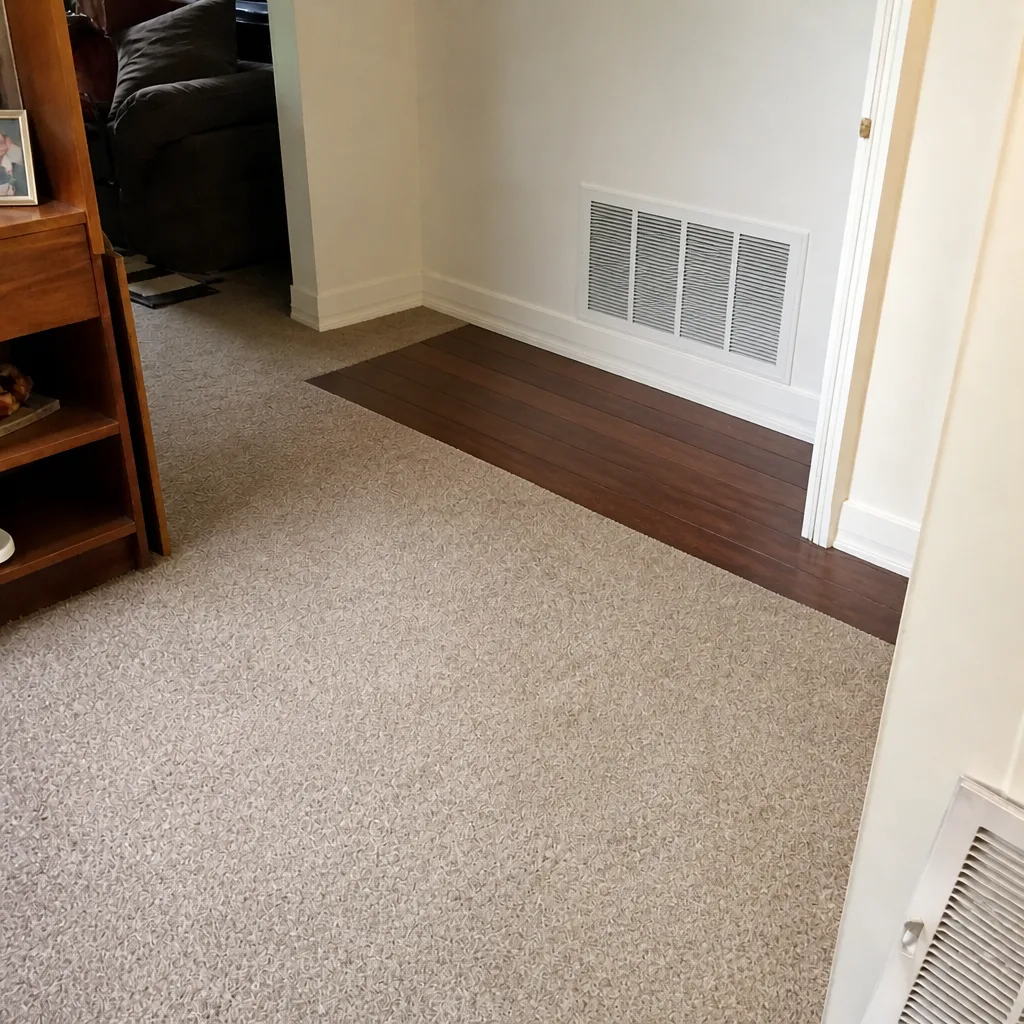 After
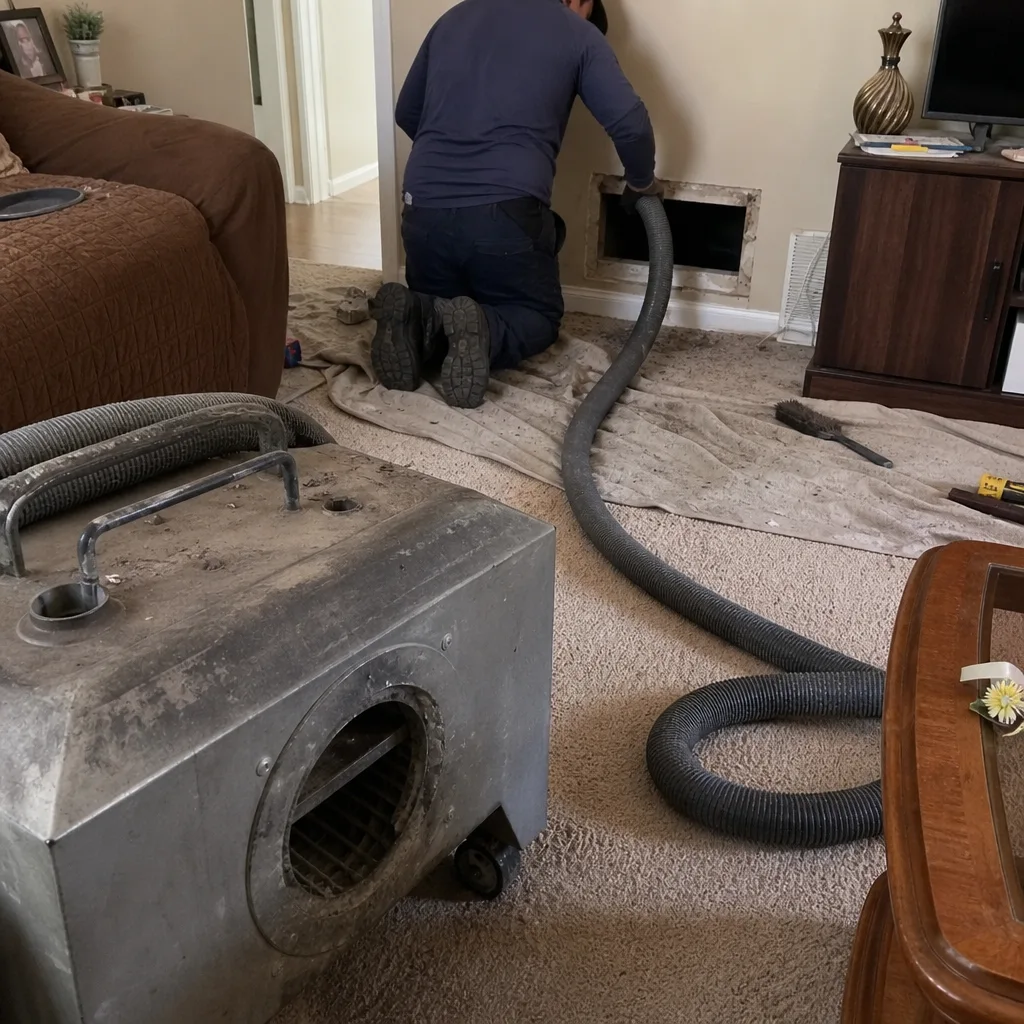 Before
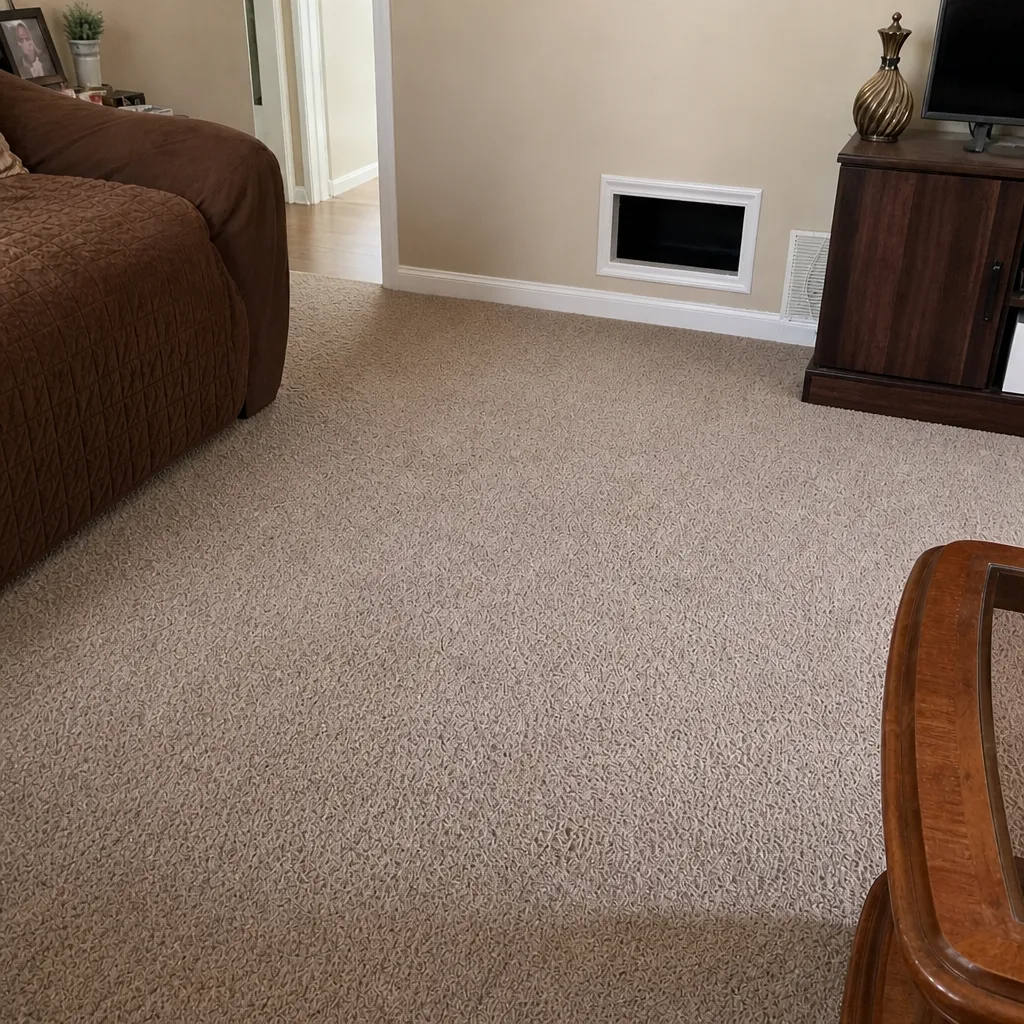 After
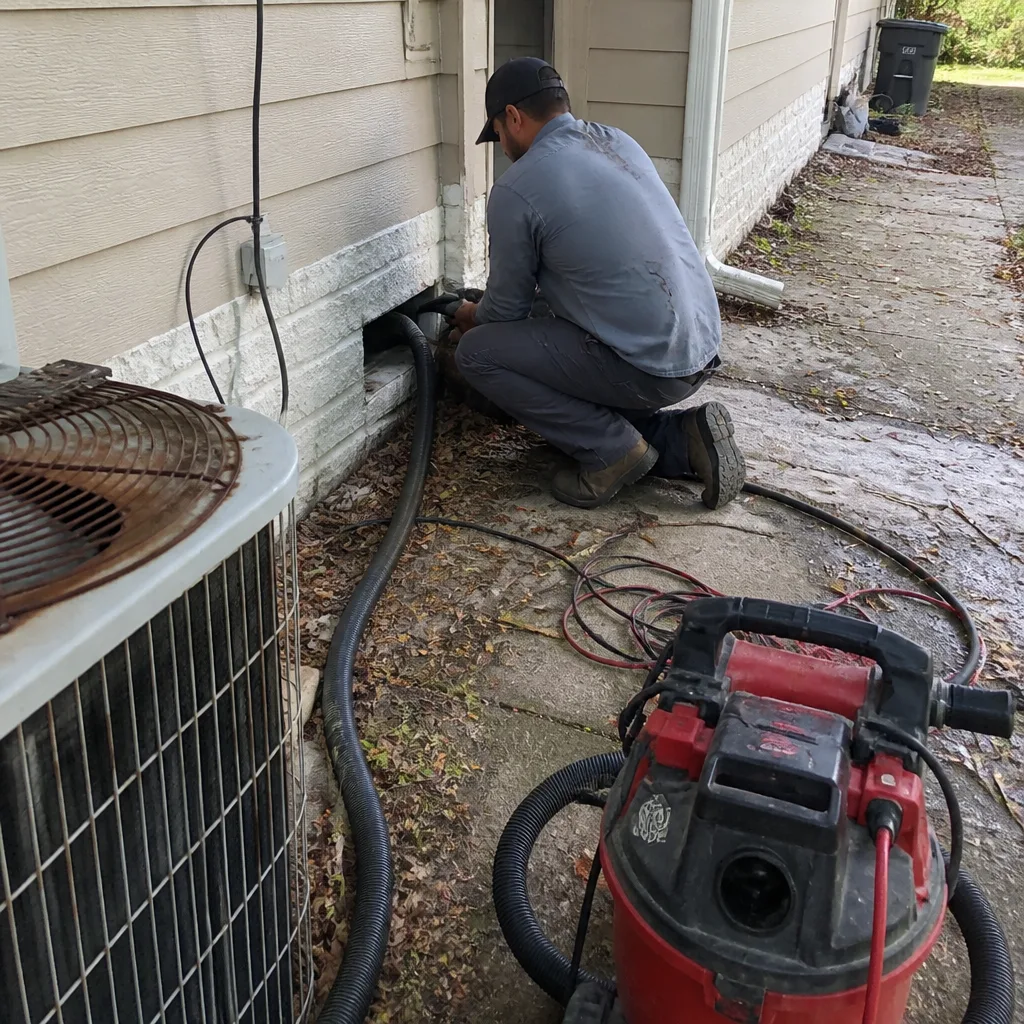 Before
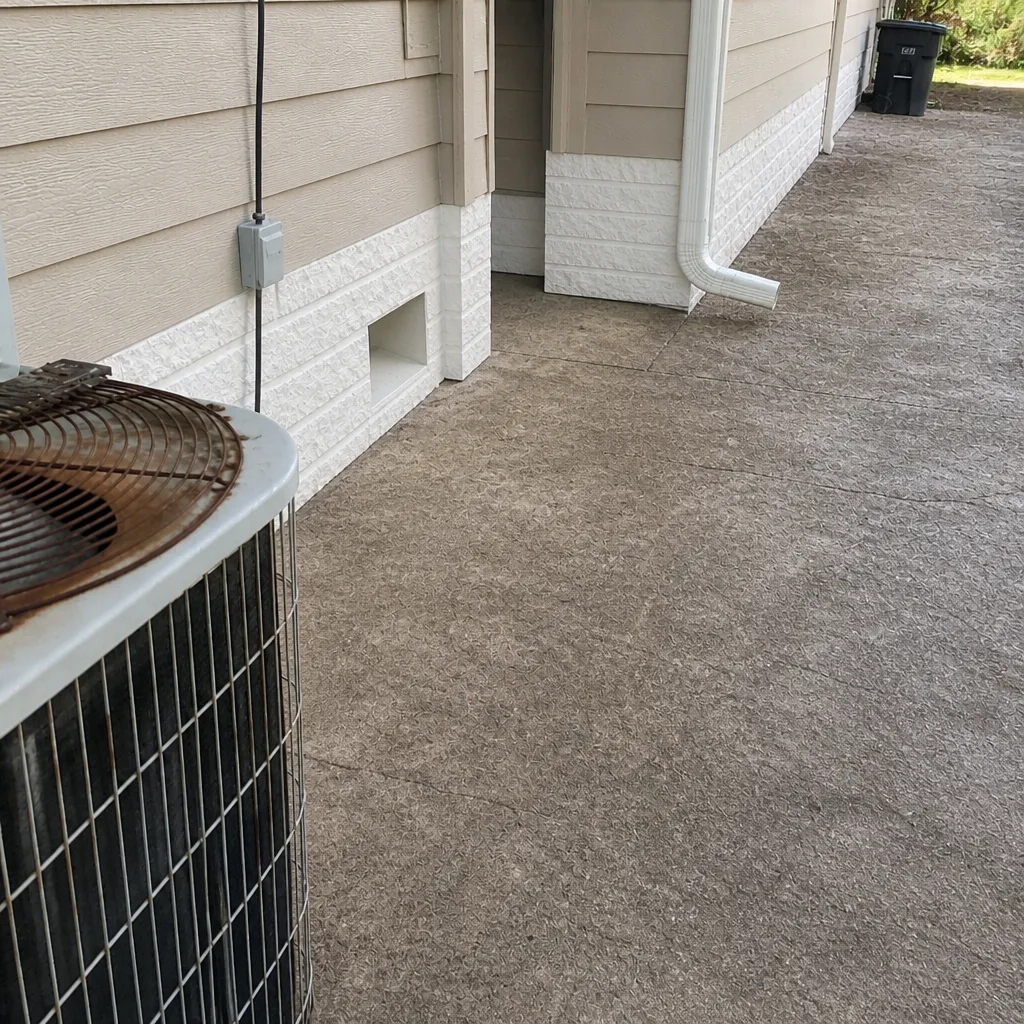 After
Common Mistakes to Avoid
- Restarting the AC before inspecting the ducts. The system then drives water, debris, and mold spores into every room. Inspect first, power up second.
- Treating drying as a cleaning job. Cleaning a still-damp system can spread the problem. Drying and remediation come first; cleaning comes after the system is verified dry.
- Cleaning before repairing damaged ductwork. A disconnected run or torn outer jacket won’t be fixed by cleaning. In our experience, homes with visible duct damage need repair in the same scope, not after cleaning.
- Ignoring the dryer vent. It’s a direct path from outdoors to the inside of your home, and a blocked or debris-packed dryer vent is a fire risk as well as a moisture path. Check it during pre-storm prep and after the storm passes.
- Skipping documentation. Without before photos and a written timeline, an insurance claim involving HVAC and duct damage becomes much harder to support.
- Waiting through a hot, humid week after a storm. Mold accelerates quickly in Lakeland humidity. If the ducts are wet, schedule the service as soon as the roads are clear.
- Assuming inland means protected. Lakeland’s position in Polk County does not put it out of the path of tropical systems. Wind-driven rain and storm debris reach the city regularly, and the duct system is exposed to both.
When to Call a Professional
Call a professional if any of these apply after a storm: water in the air handler area, water at any register, a musty or earthy smell from the vents, debris packed into an exterior vent or attic duct run, a visible disconnection or crushed duct, or a system you suspect hasn’t been serviced in years. Also call if a pre-storm inspection shows duct damage – a repaired system handles the next storm far better than a compromised one.
What you should not do is run the system “just to see if it works.” That’s the sequence that turns a manageable post-storm cleanup into a full remediation. Inspect first, document everything, and call while the system is still off.
Lakeland Duct Cleaning offers free estimates in Lakeland. Call (855) 360-9053. We answer 24/7. Fast dispatch from 7am to 7pm, Sunday through Friday. We’re closed on Saturday.
Frequently Asked Questions
Yes, if you’ve completed a visual inspection and found no water, no debris, and all duct connections intact. Check every supply register and the return, look at the air handler area for moisture, and if you can safely access the attic, look for wet insulation or disconnected runs. If everything looks dry and sound, restoring power to the system is reasonable. If anything looks wet, smells damp, or is clearly damaged, keep the system off and call a professional.
Emergency duct drying is a remediation scope that addresses water intrusion into the duct system and surrounding materials. Duct cleaning is a contact-cleaning scope that removes debris and contamination from the duct walls once the system is dry. Drying comes first, then repair if needed, then cleaning. Doing them out of order can spread contamination rather than solve it.
Yes. Cover exterior supply and return terminations, any fresh-air intake, and check the dryer vent hood before a named storm. Wind-driven rain and airborne debris enter through those openings, and they’re often the path that water takes into the duct system. Use weather-rated covers secured so wind can’t peel them off.
That depends on your policy, and the best move is to call your insurer early. What we can do is document the condition and provide a written scope of work and before-and-after photos of the completed service. We can work with your insurer on documentation. Keep your own photos, a dated timeline of the storm and the power outage, and all service records together.
If the ductwork is dry and intact but contaminated with debris and dust, cleaning is the scope. If a run is disconnected, crushed, or has a torn outer jacket, that’s repair, and cleaning alone won’t fix it. In practice, a post-storm system often needs both, and the assessment should sort out which before work starts.
As soon as it’s safe and the service is available. Lakeland’s humidity accelerates mold growth in a wet duct system, and the longer you wait, the more likely the scope grows. If you saw water, smelled something musty, or found debris in the ducts, don’t wait for the next maintenance cycle. Call (855) 360-9053 for a free estimate.
The Bottom Line
Duct emergency preparedness for a Lakeland home comes down to a short list of decisions made in the right order. Before the storm: shut off the system, cover exterior vent terminations, and photograph your ducts. After the storm: inspect before you power up, document everything, and don’t clean a system that’s still wet. Drying comes first, then repair if the ducts were damaged, then cleaning. If you handle that sequence correctly, a storm that could have become a months-long remediation problem stays a manageable service call – and if you’re not sure which scope you’re dealing with, that’s exactly what an assessment is for. Call (855) 360-9053 for a free estimate in Lakeland. We answer 24/7. Fast dispatch from 7am to 7pm, Sunday through Friday.
For routine service outside storm season, see our Lakeland Duct Cleaning page for the full scope.
Written by the team at Lakeland Duct Cleaning.