
Last updated November 15, 2026
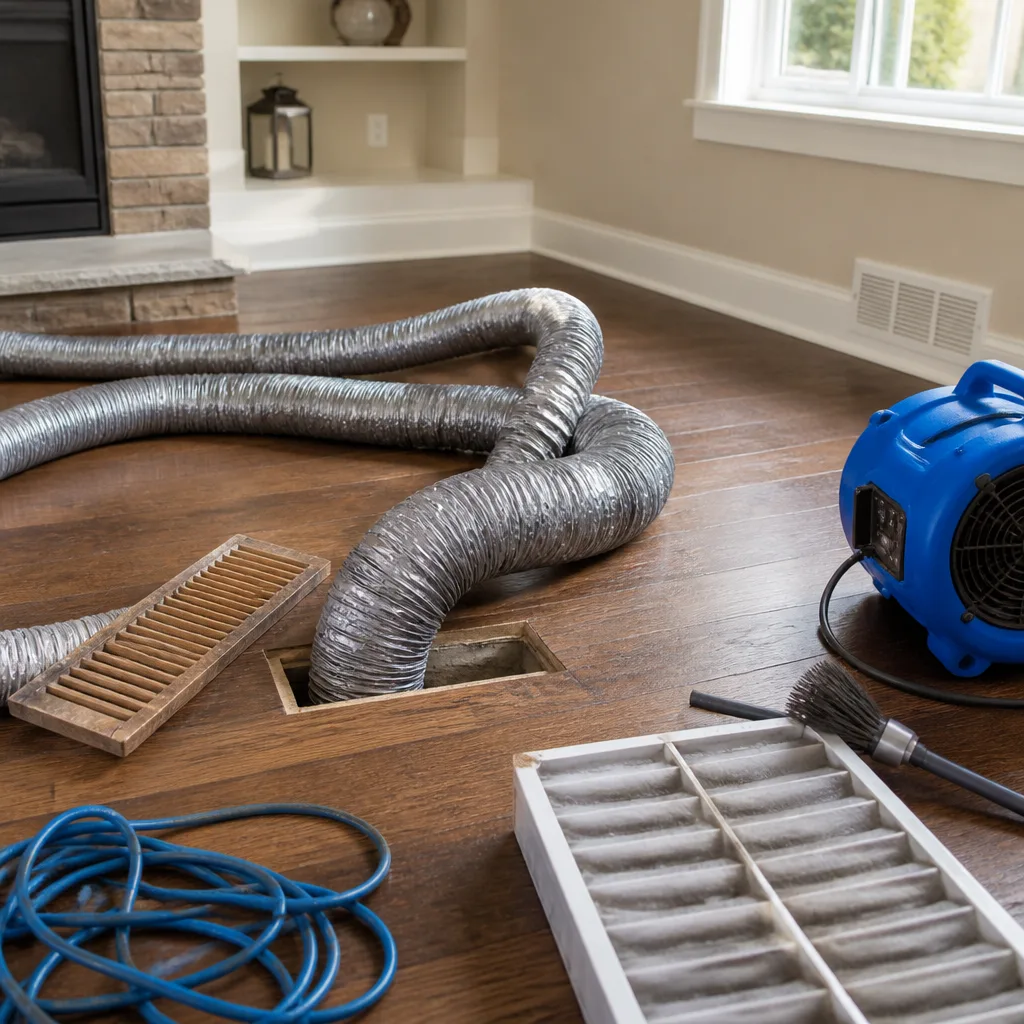 Whole-home duct cleaning
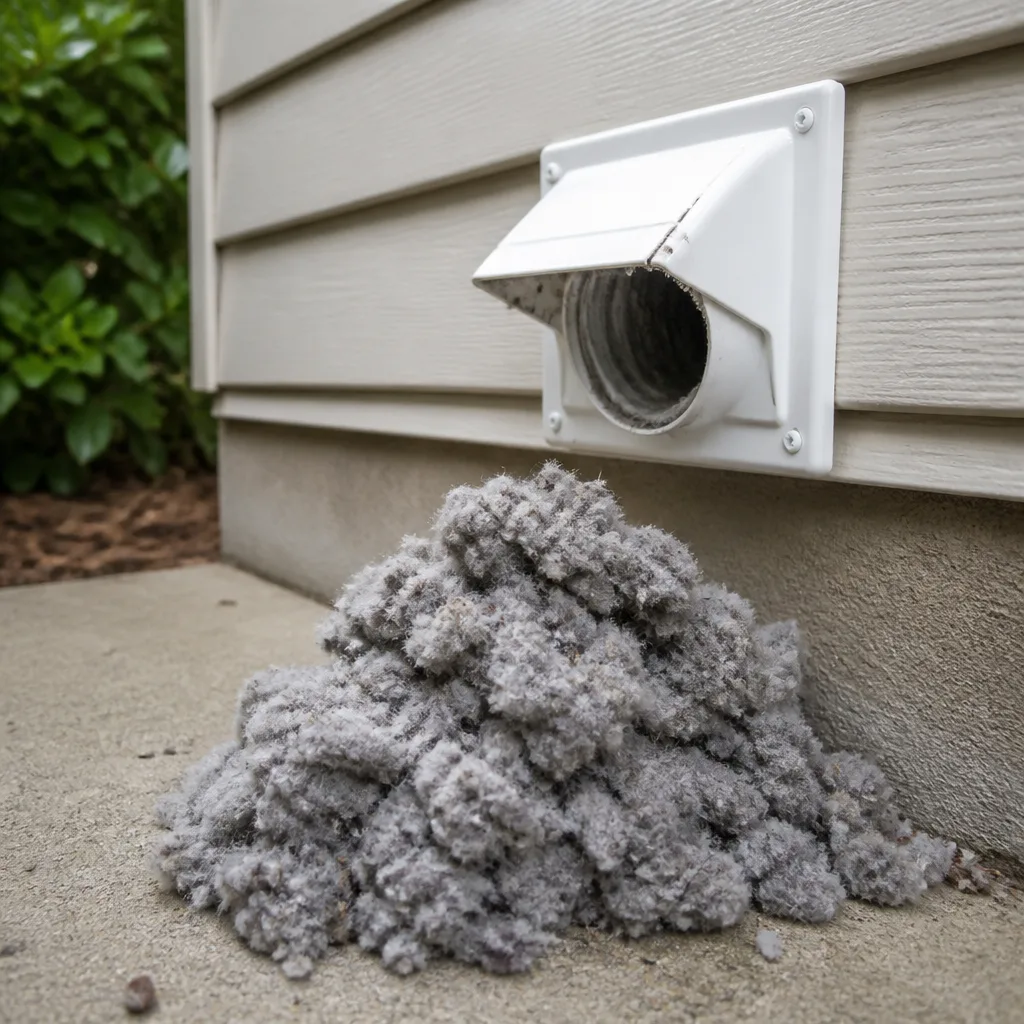 Dryer vent cleaning
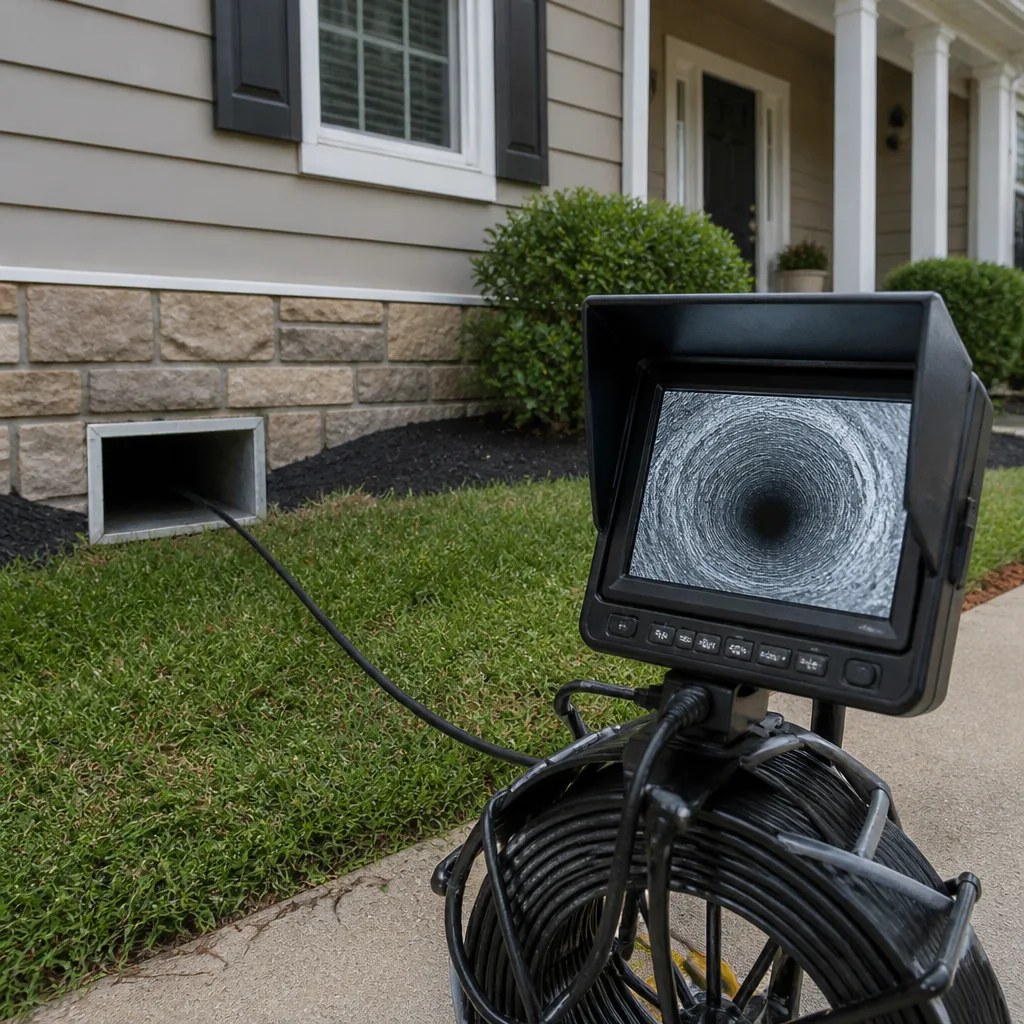 Camera inspection
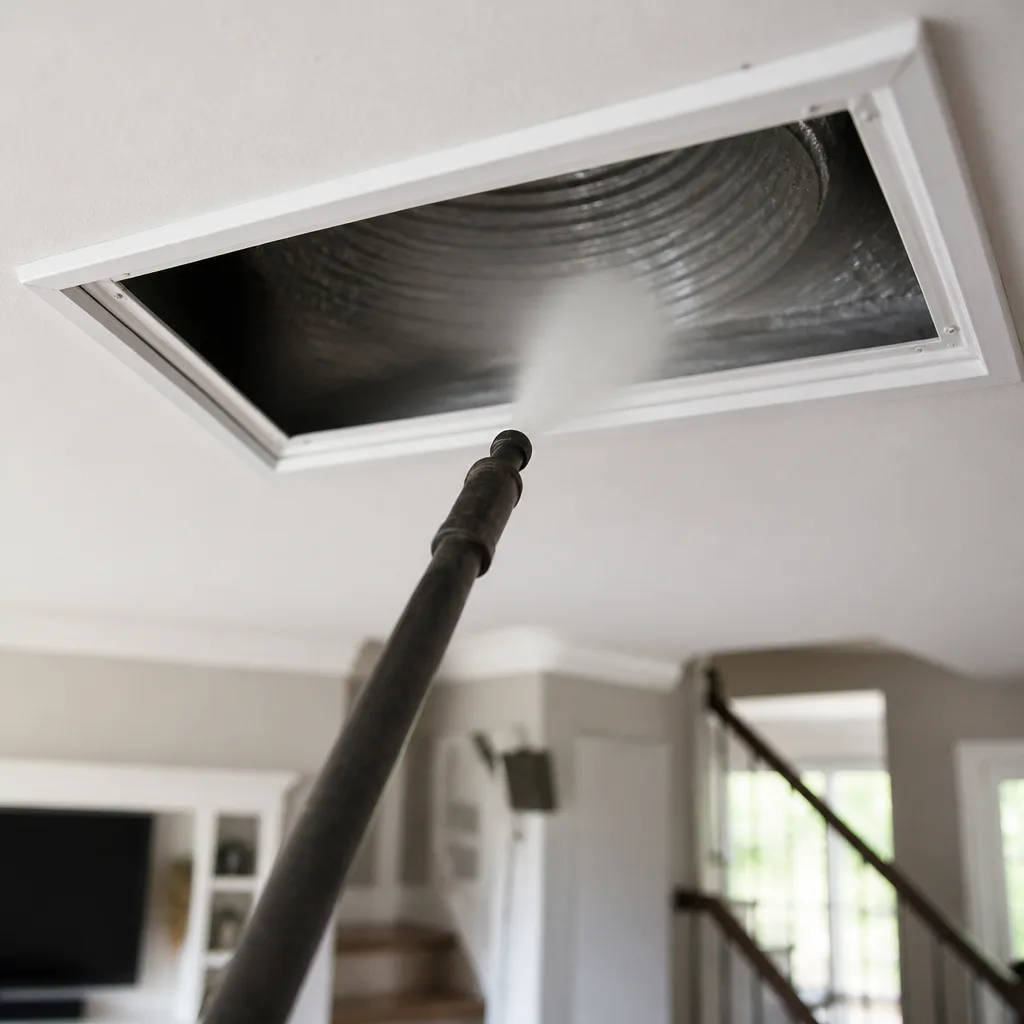 Sanitizing & deodorizing
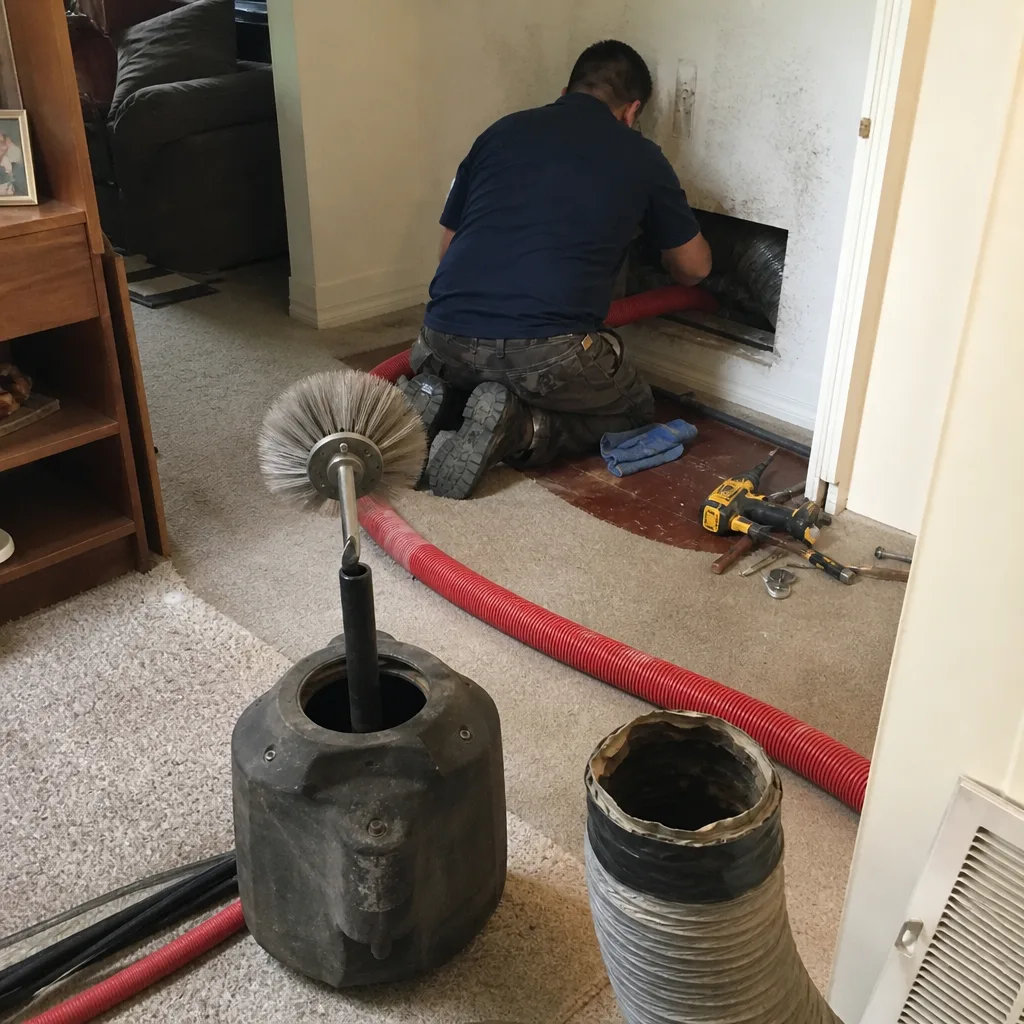
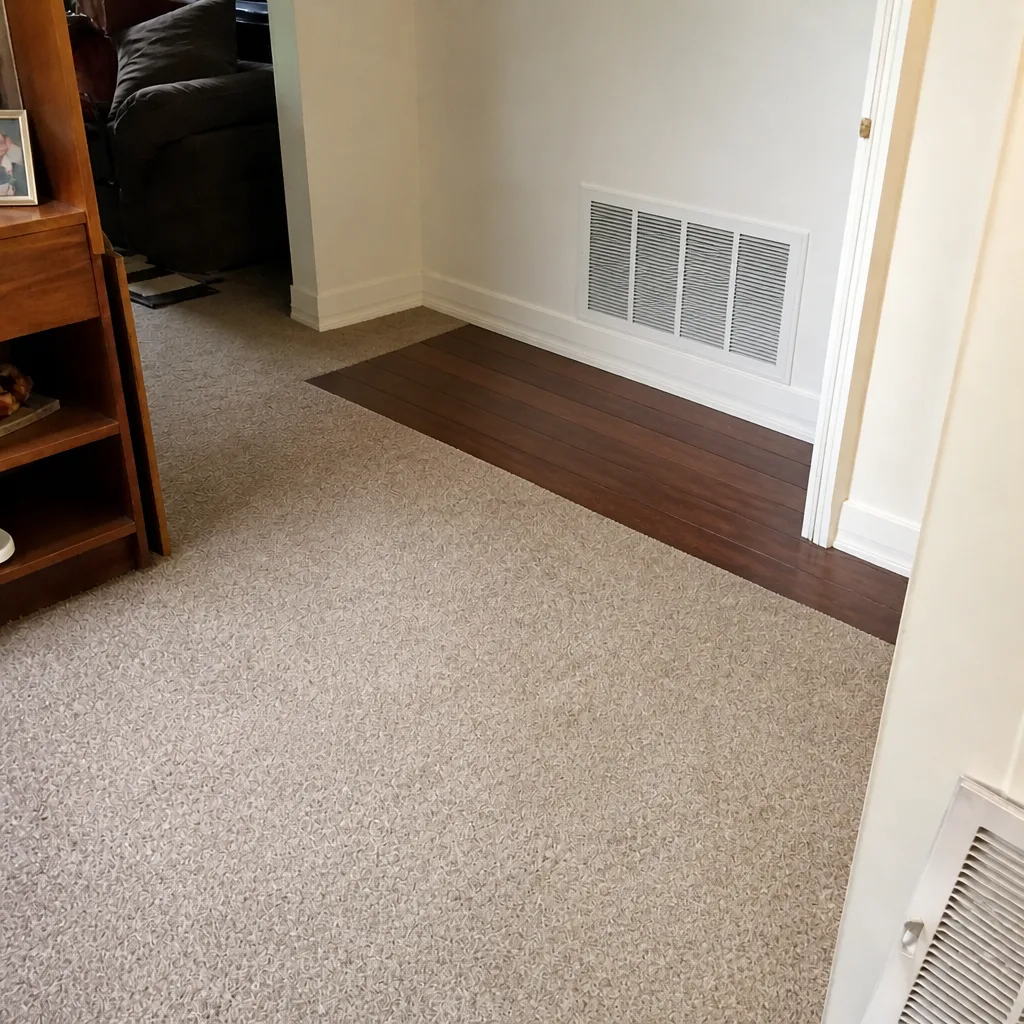
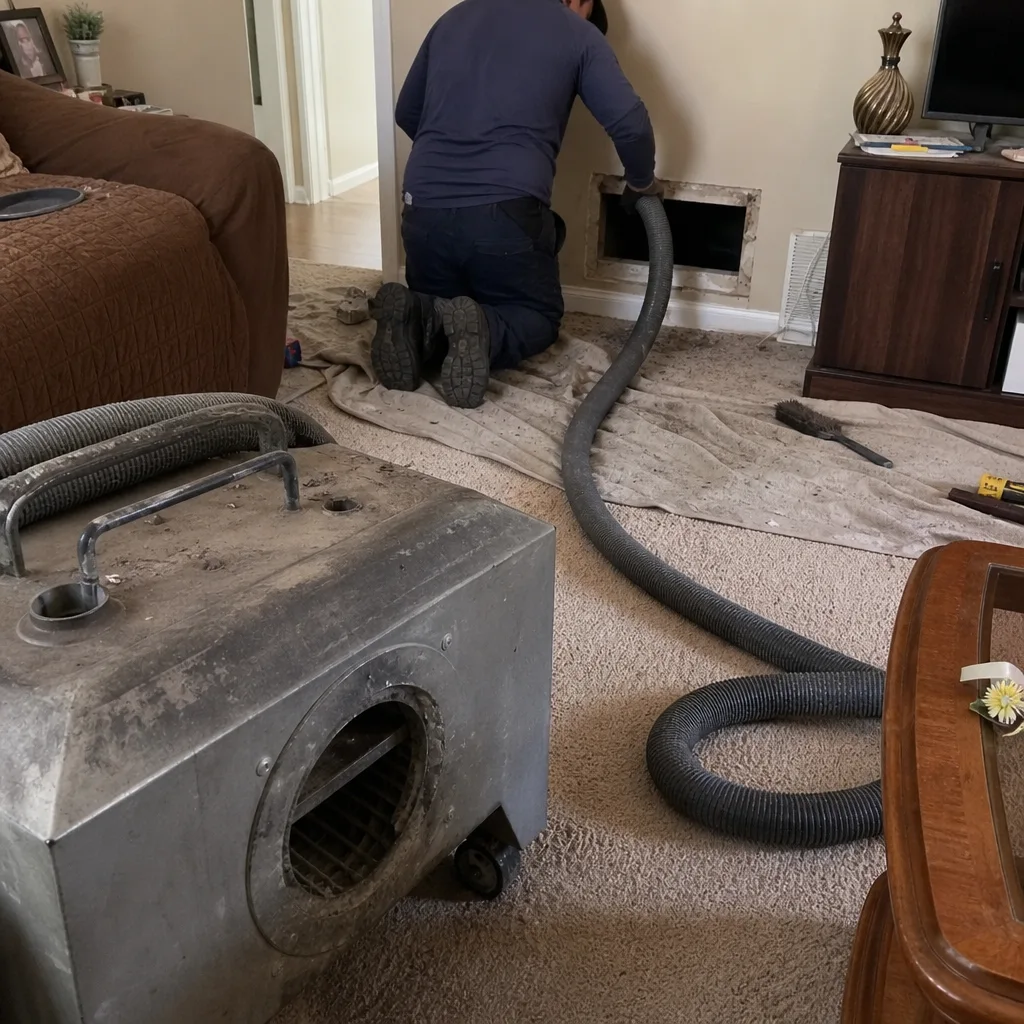
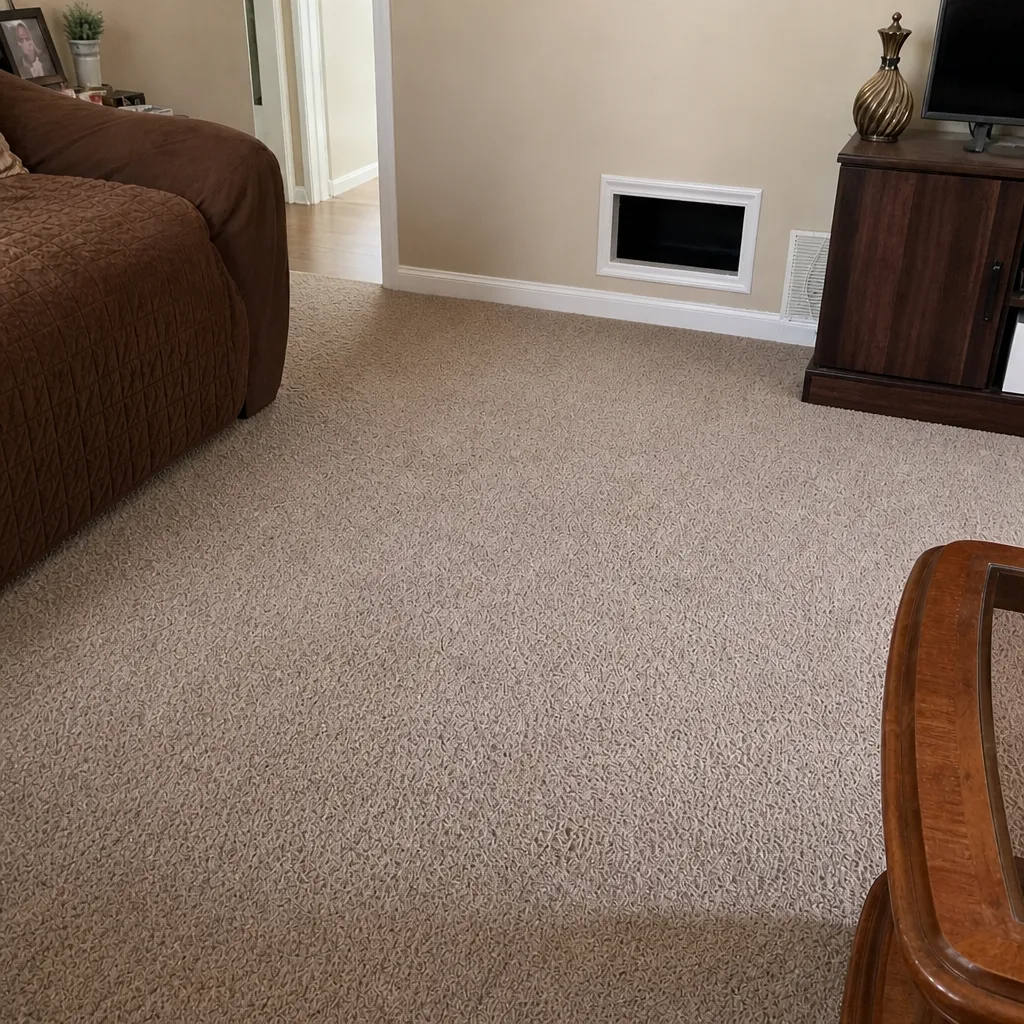
Whole-system duct and dryer vent check with before-and-after photos - you see exactly what came out of your vents
That "$99 whole-house special" is a bait ad - the real number appears once they are in your hallway, or the "clean" is a shop-vac at the register. We photograph the inside of your ducts before and after instead.
The Complete Guide to Air Duct Cleaning in Lakeland
Most homeowners in Lakeland don’t need a lecture about why ducts get dirty. They already suspect their return grille looks darker than it did a few years ago, or that their oldest child’s allergies got worse after moving into a 1970s ranch house near Lake Hollingsworth. What they actually need is a process-level explanation: what a legitimate full-system cleaning involves, which parts of the system get touched, what equipment is doing the work, and how to tell a real job from a $49 shortcut that amounts to a blower and a vacuum hose waved at a register. This guide walks through all of it, from the air handler compartment to the dryer vent, with the Florida-specific conditions that make ductwork here behave differently than it does in Ohio or Colorado. By the end you’ll know what to ask, what to look for, and what a fair scope of work actually contains.
Quick Answer
A full-system air duct cleaning in Lakeland means source-removal cleaning of every supply and return register, the main trunk lines, the branch runs, the return plenum, and the air handler compartment, done with rotary contact equipment and negative-pressure HEPA filtration. It is not a spray, a fog, or a vacuum hose at the grille. A legitimate job takes several hours, produces before-and-after photos of your own ductwork, and is priced per system, not per vent.
Styles & brands we work with
- Whole-home duct cleaning
- Dryer vent cleaning
- Camera inspection
- Sanitizing & deodorizing
Table of Contents
- What a Full-System Duct Cleaning Actually Covers
- How Lakeland’s Humidity Changes What Builds Up in Your Ducts
- The Equipment Difference: Truck-Mounted vs. Portable, and Why CFM Matters
- What NADCA’s ACR Standard Requires and How to Verify It
- When Duct Cleaning Pairs With Duct Repair
- Dryer Vent Cleaning as a Fire-Safety Service
- How to Verify the Work Was Actually Done
- What Air Duct Cleaning Costs in Lakeland
What a Full-System Duct Cleaning Actually Covers
The single biggest gap between a professional cleaning and a shortcut operation is scope. A shortcut touches the registers you can see. A full-system clean touches every component that air passes through on its way from the return grille back to the supply vents, and a few components most homeowners don’t realize are part of the system at all. If a company’s quote doesn’t mention the air handler compartment or the return plenum, that’s a scope problem, not a price advantage.
Here’s what a complete job includes when we perform air duct cleaning in a Lakeland home:
- Every supply register and return grille. Removed, cleaned, and reinstalled, not just vacuumed in place. The grille face hides the boot behind it, and that boot is where debris collects first.
- Branch runs. The individual ducts feeding each room. These are contact-cleaned with a rotary brush or whip head sized to the duct.
- Main trunk lines. The large rectangular or round duct that carries the bulk of the air. This is often the dirtiest section and the one most often skipped.
- The return plenum. The chamber between the return grille and the air handler. Negative pressure pulls debris here constantly, and it accumulates in a layer that a surface wipe won’t remove.
- The air handler compartment. The blower cabinet itself, cleaned carefully around the components. A dirty blower wheel throws debris back into the airstream every time the system runs.
- Containment and filtration. Abatement Technologies HEPA filtration is deployed at the source so dislodged particulate is captured rather than recirculated into the living space during the job.
The reason scope matters so much is that the parts left out are the parts that re-contaminate the parts that were cleaned. If the trunk is cleaned and the plenum isn’t, the system will redistribute that plenum layer within a few weeks of normal runtime. In a Lakeland home where the AC runs most of the year, that redistribution happens faster than it would in a heating-dominant climate.
How Lakeland’s Humidity Changes What Builds Up in Your Ducts
Lakeland’s average relative humidity sits above 70% for most of the year, and that number changes the composition of what accumulates in ductwork. In a dry, heating-dominant climate, the dominant debris in ducts is dry dust, pet hair, and construction particulate. It’s light, friable, and moves easily. In central Florida, that same debris arrives in a system that is wet for a good portion of the year, and the result is a heavier, more adherent layer that binds to duct walls.
Two things follow from that.
First, contact cleaning becomes more important than air washing. A vacuum alone can lift loose dust. It does not lift a layer that has bonded to the interior of a flex run or the galvanized walls of a trunk. Rotary contact equipment physically agitates that layer so it can be captured. That’s why we use Rotobrush rotary contact-cleaning systems: the brush or whip head works the wall surface, not just the air column.
Second, year-round runtime accelerates total accumulation. A system that runs nine or ten months a year moves far more air through the same duct than a system running four or five months. More air means more particulate delivered to the same surface area, and the timeline people use in colder climates (“every five to seven years”) doesn’t translate cleanly. Homes in neighborhoods like Dixieland or Lake Morton, where mature oak canopy drops pollen and fine organic debris onto the roof and into the return, tend to accumulate faster than homes in newer subdivisions with less overhead tree cover.
None of this means every Lakeland home needs annual cleaning. Age of the home, pets, recent renovation, filter discipline, and whether the ducts have ever been cleaned all matter more than any calendar rule. But the “I’ll get to it in a few years” default that makes sense in a mild, heating-only climate deserves a second look here.
The Equipment Difference: Truck-Mounted vs. Portable, and Why CFM Matters
Duct cleaning equipment comes in roughly three tiers, and the tier determines what’s physically possible on the job.
- Consumer-grade shop vacuums. Not duct cleaning equipment. These move a few hundred cubic feet per minute at best, and without HEPA filtration they exhaust fine particulate back into the room. A job done this way is a visual improvement at the grille and not much else.
- Portable professional units. These are legitimate tools when they’re real ones. Nikro professional equipment falls in this category: high-CFM portable vacuums built for duct work, paired with contact tools. Portable units have the advantage of fitting into tight spaces and reaching systems a truck can’t access, which matters in homes with long runs or awkward crawl access.
- Truck-mounted units. Large vacuum trucks generate very high CFM and are anchored outside the home with a hose run to the duct system. They’re powerful, but they’re also where some of the low-bid pricing comes from: a truck with one crew running quickly from house to house, sometimes doing one pass with no contact tools.
Here’s the point most homeowners miss: CFM capacity matters most when it’s paired with contact agitation and source containment. A very high-CFM vacuum with no rotary tool is an air mover. A contact tool with no real vacuum behind it throws debris into the room. You need all three working together: agitation to loosen, airflow to carry, and HEPA filtration to capture at the source. That’s why Abatement Technologies filtration runs during our cleaning rather than after it.
We don’t quote a single equipment answer as the only right one. What we will tell you is that a company should be able to name its equipment and explain how it addresses the source-capture problem. If the answer is vague, the equipment probably is too.
What NADCA’s ACR Standard Requires and How to Verify It
The National Air Duct Cleaners Association publishes the ACR standard, formally titled “Assessment, Cleaning, and Restoration of HVAC Systems.” It’s the reference document the industry uses to define what a proper cleaning entails. The ACR standard covers source removal as the core method, requires assessment before work begins, defines what “clean” means in verifiable terms, and addresses containment and post-cleaning verification. It also draws a line between cleaning and the separate discipline of restoration, which is a different scope.
What the ACR standard does not do is get enforced. Nobody with a clipboard shows up at the door. That means a homeowner has to verify adherence by asking direct questions. Here’s a short list worth asking any company before you book, in Lakeland or anywhere:
- Do you follow the NADCA ACR standard for this work?
- Will you assess the system before quoting the scope, and put the scope in writing?
- Do you use source-capture HEPA filtration during cleaning, and what brand?
- Which components are included: registers, branch runs, trunk, return plenum, air handler compartment?
- Do you provide before-and-after photos of our own system?
- Is the price flat per system, or is it quoted per vent?
A company that follows the standard will answer those questions in specifics. A company that doesn’t will answer in adjectives. The verifiable difference between the two is the whole point of asking.
When Duct Cleaning Pairs With Duct Repair
Cleaning alone solves the problem when the duct system is intact: no tears in the flex, no separated joints, no crushed runs, no disconnected boots behind the grilles. In those homes, a full-system clean removes the accumulated debris and the system is back to baseline. But a fair number of homes in Lakeland’s older neighborhoods, particularly those built in the 1950s through 1980s, have ductwork that has been modified, patched, or settled over decades.
The signs that cleaning needs to pair with repair:
- Disconnected boots. A supply boot that has pulled away from the floor or wall opening dumps air into a wall cavity instead of the room. Cleaning the run behind it accomplishes nothing.
- Separated flex joints. Flex duct taped at a joint with duct tape (not mastic) will separate over time. Once separated, the run pulls air from an unconditioned space.
- Crushed or kinked flex runs. If a run was compressed during a renovation or an installation, it loses airflow and creates a low-velocity pocket where debris settles.
- Deteriorated duct board or failing interior liner. Some older systems have duct board or an internal liner that has begun to break down. Cleaning won’t fix a failing liner; it needs to be addressed as a repair.
Duct repair is a distinct scope from cleaning, and not every duct cleaning company offers it. If a company only cleans, it can either decline the repair work or refer you elsewhere, and either way you’re coordinating two contractors on one system. We offer both, which means the assessment and the scope stay in one place. If a cleaning reveals a repair issue, the written estimate will say so before any work proceeds.
Dryer Vent Cleaning as a Fire-Safety Service
A dryer vent is not part of the HVAC duct system, but it’s the same category of problem: a duct carrying hot, moist, lint-laden air through the home. Most duct cleaners treat dryer vents as an add-on. We treat them as a dedicated service for the same reason fire investigators do: lint accumulation in a dryer vent is a genuine and well-documented fire risk, and it’s the one part of the ductwork that gets hotter than the rest of the system ever does. In a Lakeland home where the laundry itself produces many loads a year and the vent runs through an unconditioned attic or wall cavity, the accumulation timeline is not generous.
What dryer vent cleaning involves, done properly:
- Full run cleaning. Not just the transition hose behind the dryer. The entire run, from the dryer connection to the exterior termination.
- Exterior termination check. The hood, flap, and screen. A stuck flap or a clogged screen turns the vent into a restriction.
- Lint trap and transition. The short run between the dryer and the wall. This is where the worst blockages live.
- Verification. Airflow check after cleaning to confirm the run is clear.
The most common mistake is cleaning only the transition hose. That part is easy, it looks productive, and it leaves the actual problem untouched. The lint that causes the real risk is farther out in the run, where it accumulates against the sides and the termination.
How to Verify the Work Was Actually Done
This is the question that separates homeowners who feel good about the job from homeowners who wonder afterward whether anything happened. Verification comes down to documentation and physical evidence.
What to expect:
- Before-and-after photos of your own ductwork. Not stock photos, not a brochure. Photos taken in your home, showing the trunk, a branch run, and the plenum before and after contact cleaning.
- Access points you can inspect. A company doing real contact cleaning has to make access cuts or use existing access. If the crew never opened the system, the system was never cleaned.
- Containment evidence. HEPA filtration equipment visible and running during the job. If there’s no containment, particulate is going into the air you’re breathing while the work happens.
- A written scope. What was cleaned, what was inspected, and anything found that needs repair.
We use Honeywell and Aprilaire components in the systems we service, and familiarity with those products matters for verification, because it tells you the technician can distinguish the air handler from the filtration or humidification component hung on it. It also matters practically: if your system has an Aprilaire filter housing or a Honeywell media cabinet, the cleaning scope has to account for that component, not clean around it.
What Air Duct Cleaning Costs in Lakeland
Cost depends on system size, number of runs, access difficulty, and whether repair work is needed. A flat per-system price is the honest way to quote it, because a small single-story home and a two-story home with 18 runs are radically different jobs even though both have “a duct system.”
What drives the price up or down:
- Number of supply and return runs. More runs, more time, more equipment passes.
- System type. A flex duct system cleans differently than a hard-pipe galvanized system, and accessible attic runs clean differently from runs buried in a slab or a wall.
- Access. Homes with limited attic or crawl access require more setup and more time.
- Condition. A system that’s never been cleaned and one that’s been serviced regularly are not the same job.
- Coupling with repair. Cleaning plus repair is a larger scope than cleaning alone.
We set the price per system and agree to it in writing before work starts. That’s the professional-grade structure, and it’s the answer to the coupon-price bait that turns into a much larger invoice once the technician is on site. Nobody should be quoted per vent for a whole-system job. If a company quotes per vent, the incentive is to sell you more vents, and that’s a structural conflict, not a discount. Call us at Lakeland Duct Cleaning with your system details and we’ll put a written estimate together.
Common Mistakes to Avoid
- Booking on price alone. A coupon price that turns into a much bigger invoice once the technician is on site is the industry’s oldest trick, and it starts with a quote too good to include the return plenum. Ask for scope, not just a number.
- Assuming the return plenum is included. Many low-bid jobs skip it because it’s the hardest component to reach. If it isn’t on the written scope, it isn’t getting cleaned.
- Cleaning when the real issue is a repair. A disconnected boot or a separated flex joint dumps air into a wall cavity. Cleaning the run behind it fixes nothing. Get the assessment first, then decide.
- Skipping the dryer vent because the ducts were just cleaned. These are two separate runs, and the dryer vent accumulates lint faster than anything in the HVAC system.
- Accepting a “spray and go” as duct cleaning. A fog or a spray sanitizer applied without source removal coats the debris, it doesn’t remove it. Proper cleaning this out matters because the coating is not the fix.
- Not asking for before-and-after photos. If the company can’t show you your own ductwork, you have no way of knowing what was actually cleaned. This is the single most useful verification tool and it should be standard.
- Believing the calendar rule. “Every five years” is a rough guide written for colder climates with seasonal runtime. Lakeland’s year-round cooling cycle means homes here can accumulate faster, and the right interval depends on the home, the pets, the filters, and the history.
See the difference
 Before
 After
 Before
 After
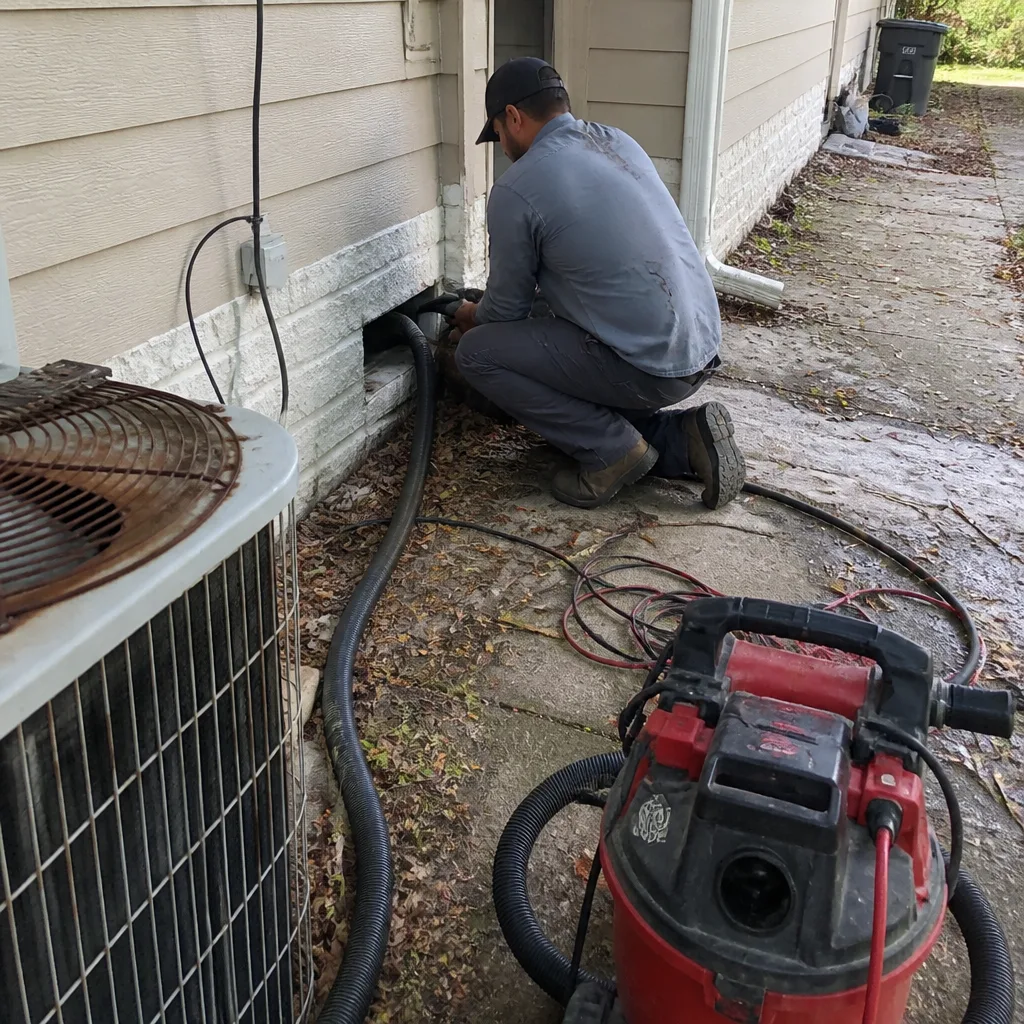 Before
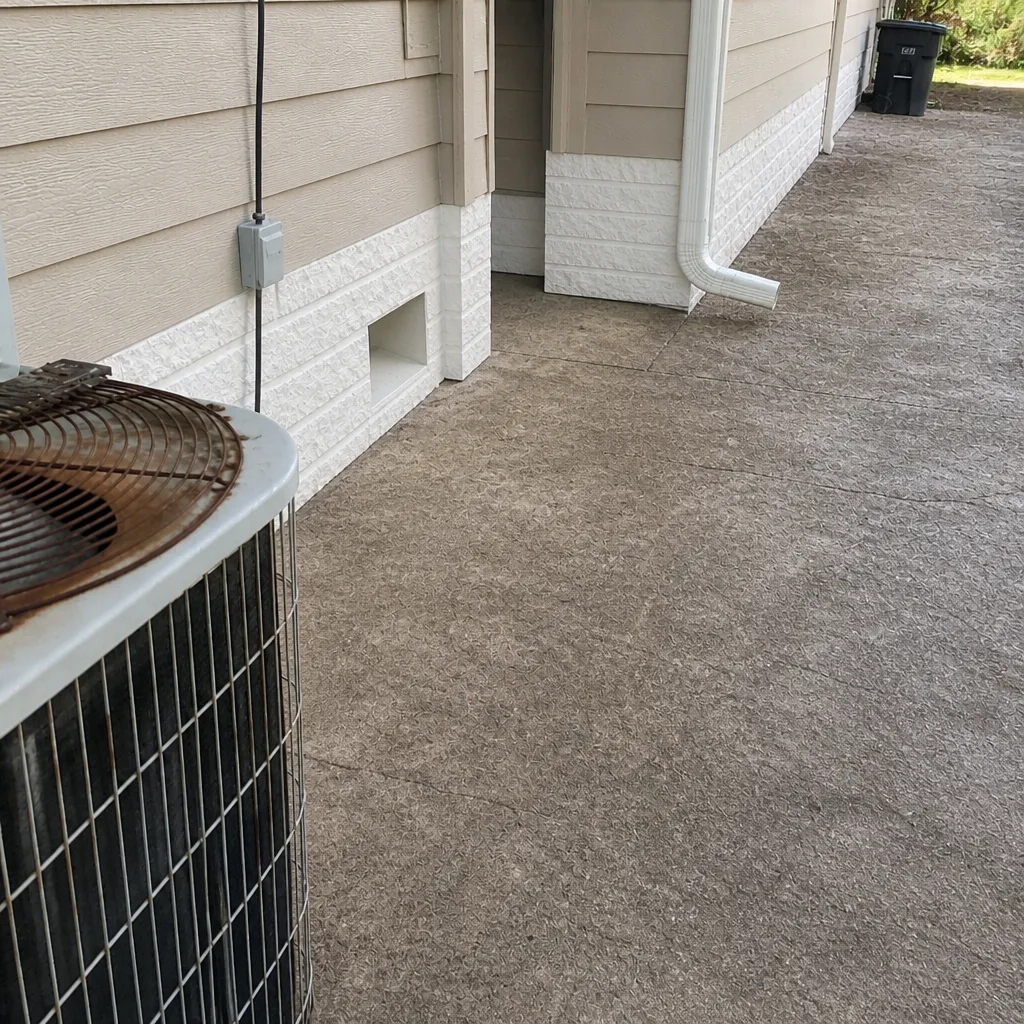 After
When to Call a Professional
Some jobs are obvious. A dryer that takes two full cycles to dry a load signals a restricted vent. Visible debris at the return grille after a renovation signals the system pulled construction dust. A musty smell in the supply air when the AC kicks on suggests something in the system that needs assessment. Recent move-in to an older Lakeland home with no service history, allergen symptoms that get worse in the house and better outside it, or ductwork you can see is torn or disconnected in the attic all point in the same direction.
The less obvious cases are the ones where a professional assessment is worth the call because the homeowner genuinely can’t tell from the ground whether the issue is dirt or damage. That’s what the free estimate is for. Lakeland Duct Cleaning offers free estimates in Lakeland: call (855) 360-9053. We answer 24/7. Fast dispatch from 7am to 7pm, Sunday through Friday.
Frequently Asked Questions
There’s no honest per-vent number because a whole-system job isn’t priced per vent. The price depends on system size, number of runs, access difficulty, and whether repair work is involved, and it’s set per system by a written estimate agreed before work starts. If a company quotes per vent, that’s a structural red flag. Call (855) 360-9053 for an exact quote; estimates are free.
There’s no fixed interval that fits every home. Lakeland’s year-round AC runtime sends more air through the same ductwork than a seasonal-use system in a colder climate, so accumulation can be faster here, but the right answer depends on the home’s age, pets, filter discipline, renovation history, and whether the ducts have ever been serviced. The practical approach is to get an assessment rather than rely on a calendar.
Cheap quotes are cheap because the scope is smaller, not because the work is more efficient. The most common shortcuts are skipping the return plenum and the air handler compartment, doing one vacuum pass with no contact tools, and skipping source-capture HEPA filtration. Ask what’s included and compare scopes, not just numbers. Call (855) 360-9053 to walk through what a full-system scope contains.
The clearest evidence is before-and-after photos of your own ductwork, plus visible access points that had to be opened to perform contact cleaning, and HEPA filtration running during the job. If the crew never opened the system and there are no photos of your own trunk and plenum, the work was almost certainly not what it was described as. Ask for verification as a standard part of the job.
Cleaning addresses accumulated debris in an intact system. Repair addresses damaged or disconnected ductwork that cleaning alone can’t fix, like a boot that has pulled away from a wall or a flex joint that has separated. Both scopes can be needed on the same home. The assessment determines which, and any repair identified during cleaning goes into the written estimate before work proceeds.
The dryer vent is a separate run from the HVAC ducts, but cleaning both in one visit is practical because the equipment and the assessment overlap. Lint accumulation in the dryer vent is a well-documented fire risk, and it’s often the fastest-accumulating part of the ductwork in a busy Lakeland home. Cleaning only the transition hose is a common shortcut and it leaves the actual restriction untouched.
The Bottom Line
A legitimate full-system air duct cleaning in Lakeland is a source-removal job, not a surface touch. It covers every register and grille, all branch runs, the main trunk, the return plenum, and the air handler compartment, and it uses contact equipment with source-capture HEPA filtration running during the work. Lakeland’s high humidity and year-round AC runtime means the accumulation layer here is heavier and more bonded than in colder climates, so agitation matters more than airflow alone. Cleaning and repair are different scopes serving different problems, and knowing which you need is the difference between solving the issue and repeating the visit. Set the scope in writing, get before-and-after photos of your own ductwork, and price the job per system rather than per vent.
Lakeland Duct Cleaning handles all three services under one roof: air duct cleaning, dryer vent cleaning, and air duct repair. That means one assessment, one written scope, one flat price per system, and no referral chain when a cleaning reveals a repair. Our technicians have up to 8 years of experience working with Rotobrush contact equipment and Abatement Technologies filtration, and we’re familiar with the Honeywell and Aprilaire components already installed in most Lakeland homes.
Call (855) 360-9053 for a free estimate. We answer 24/7. Fast dispatch from 7am to 7pm, Sunday through Friday. Whether you suspect years of buildup, have a dryer vent that’s never been serviced, or have visible duct damage in the attic, we’ll assess it, document it, and give you a written estimate before any work begins. There’s no coupon price and no per-vent upcharge. Just a clear scope, the right equipment, and before-and-after photos of your own ducts. For homeowners who’d rather know the job was done correctly than find the lowest price on the page, that’s the standard to ask for.
Written by the team at Lakeland Duct Cleaning.