
Last updated November 15, 2026
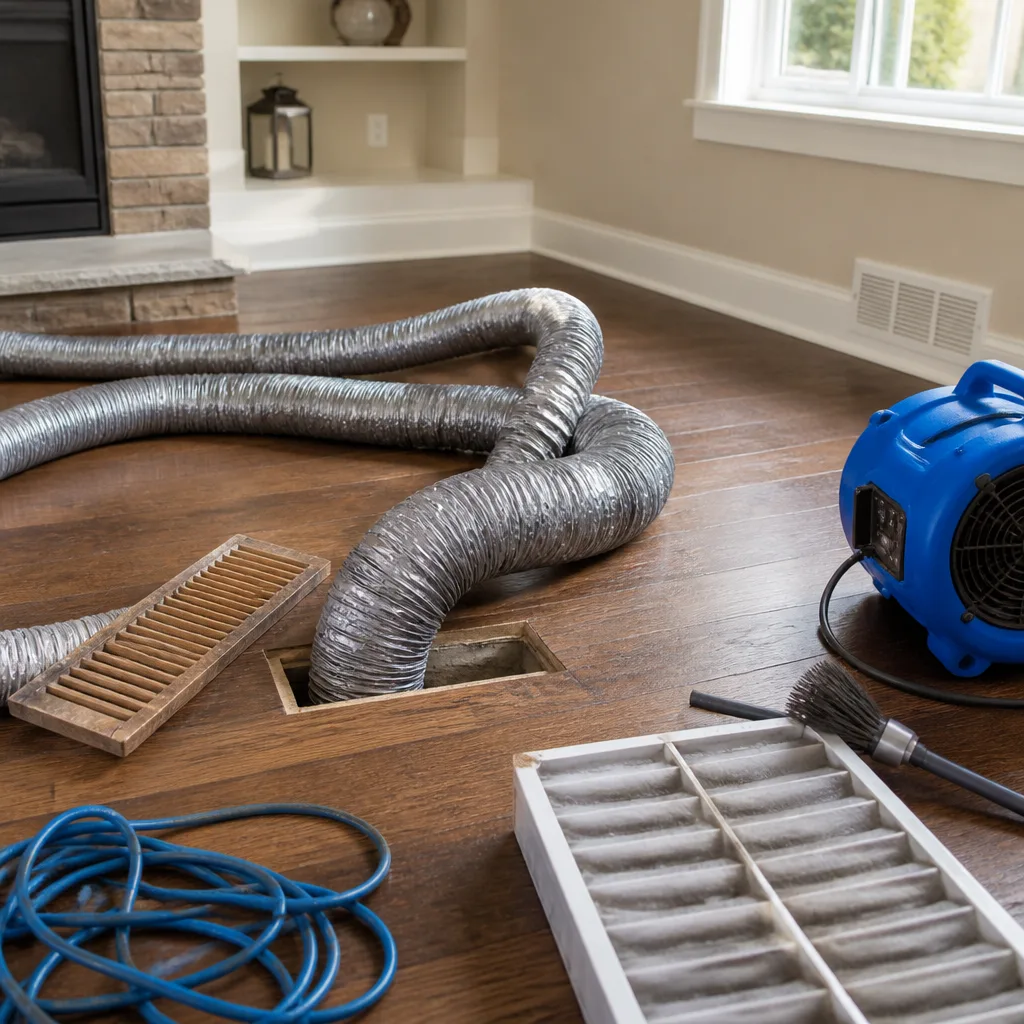 Whole-home duct cleaning
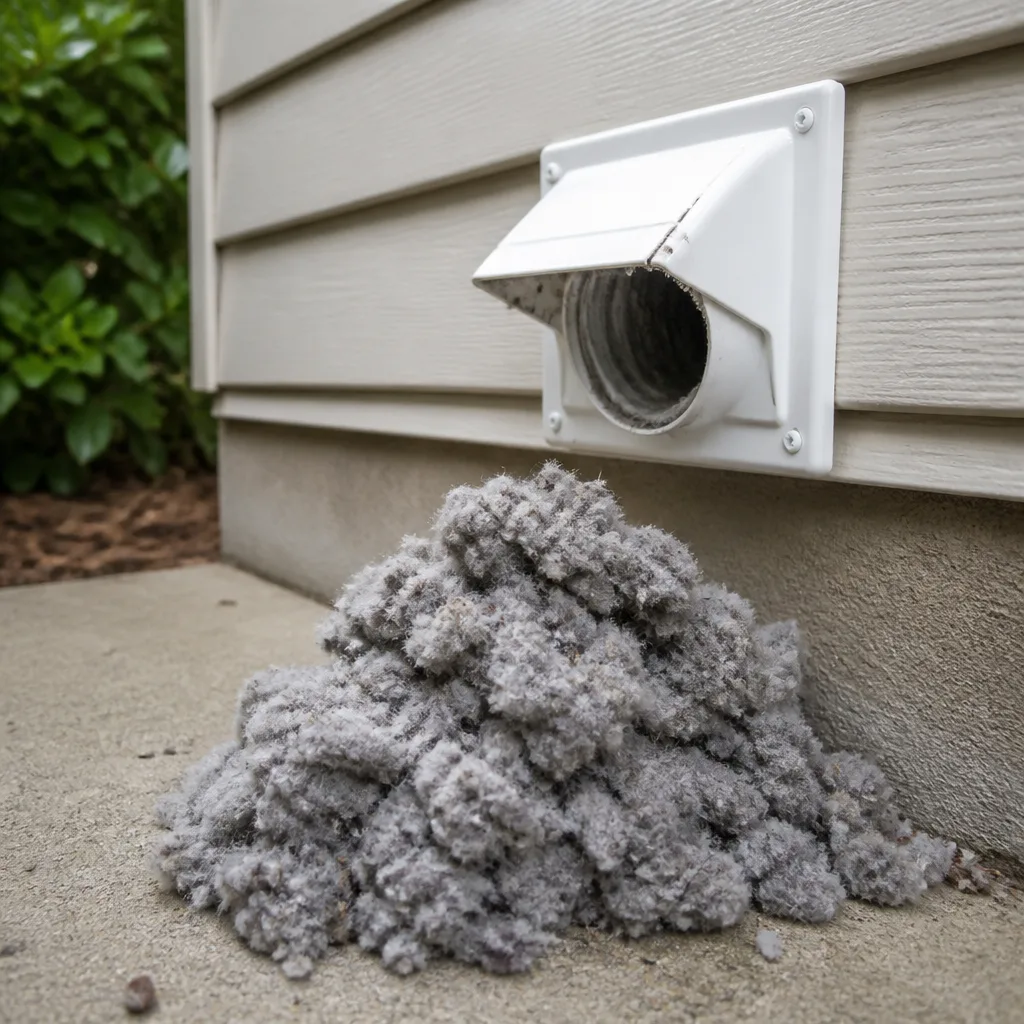 Dryer vent cleaning
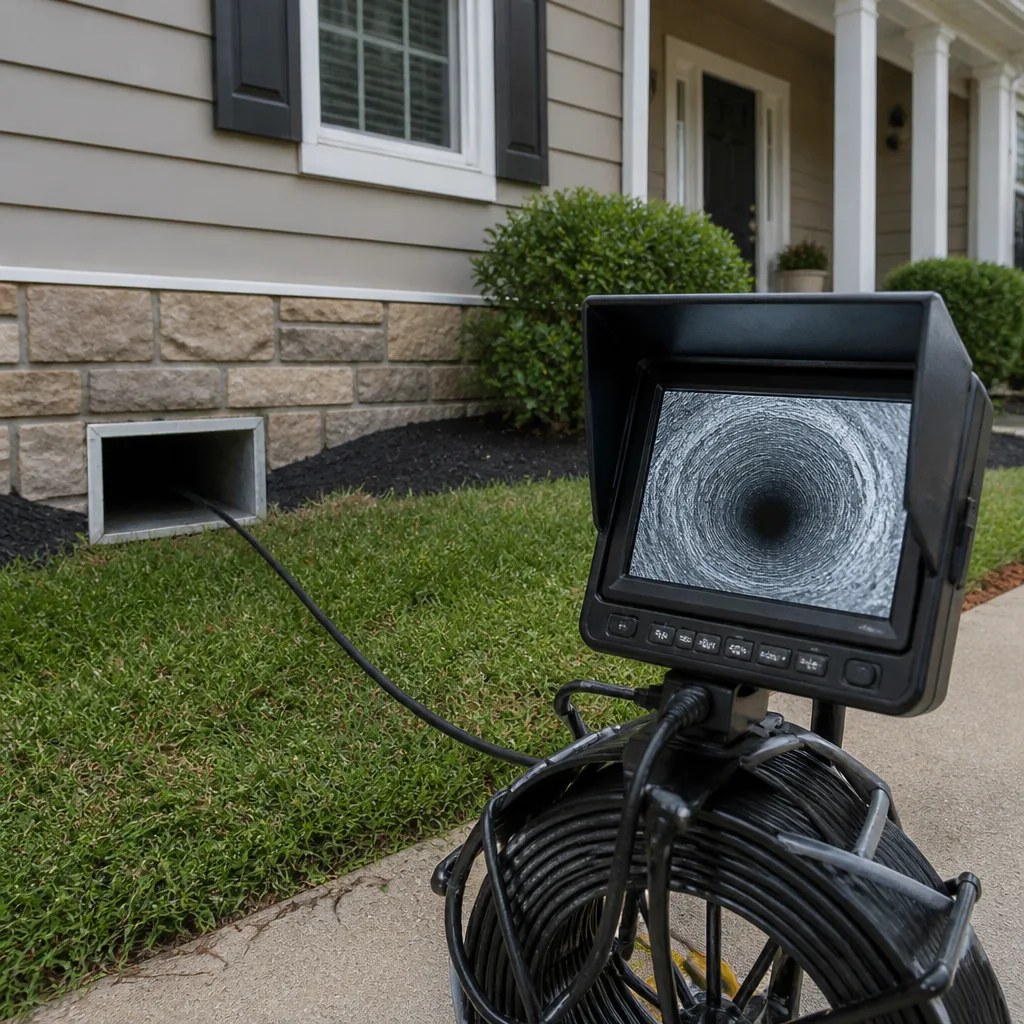 Camera inspection
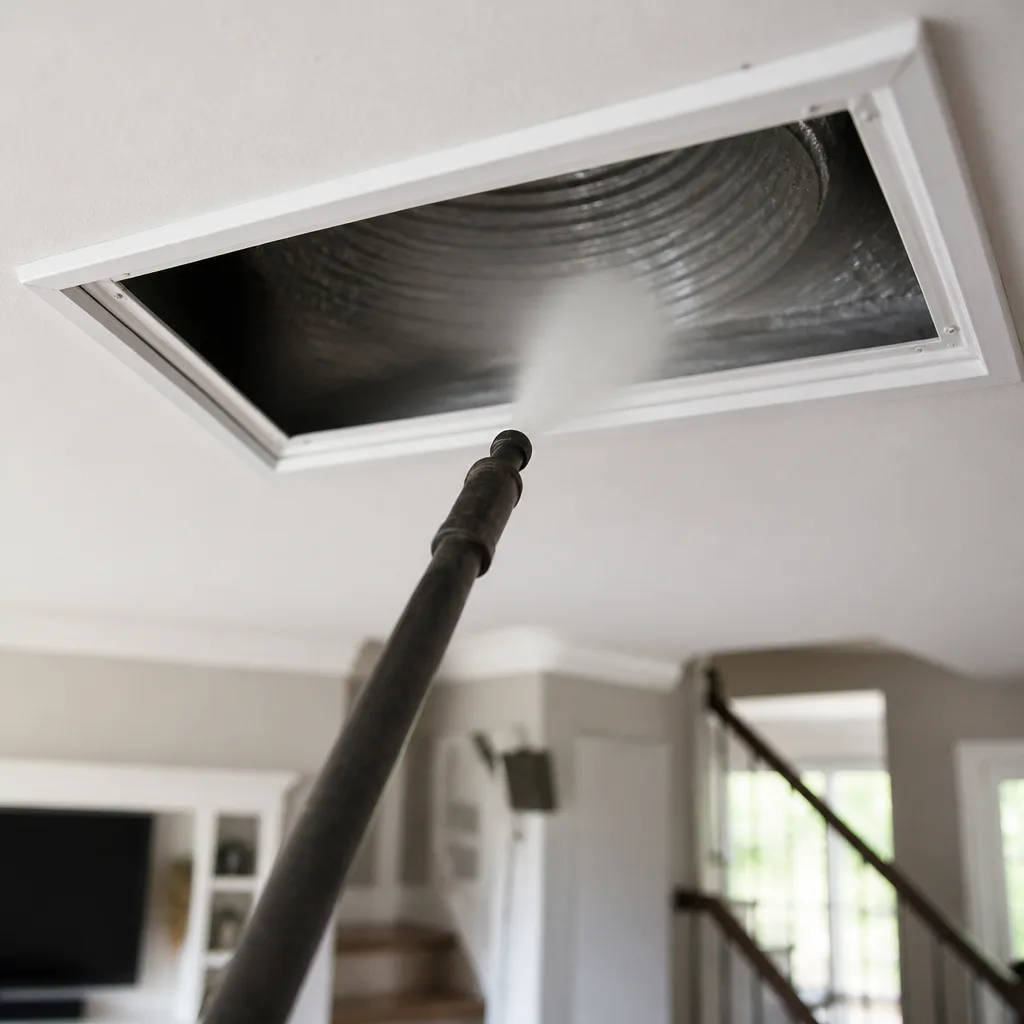 Sanitizing & deodorizing
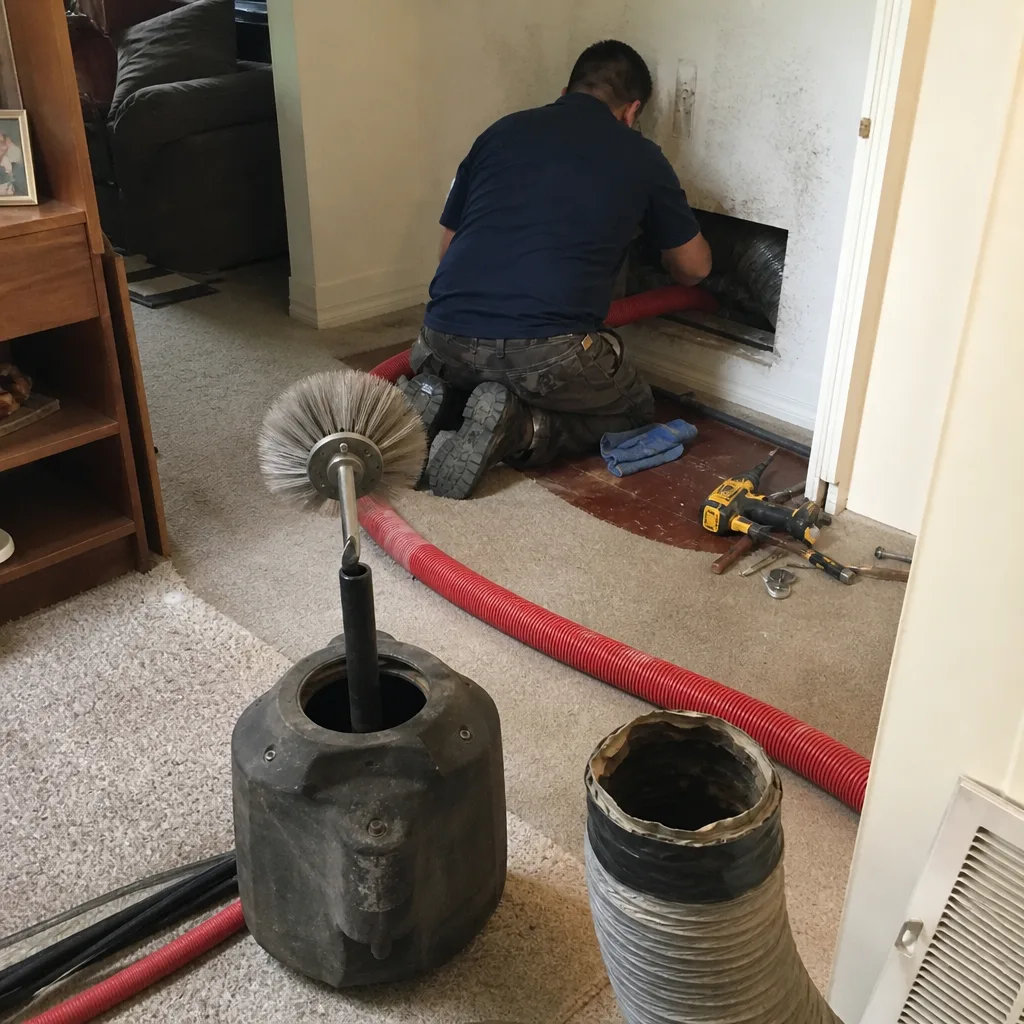
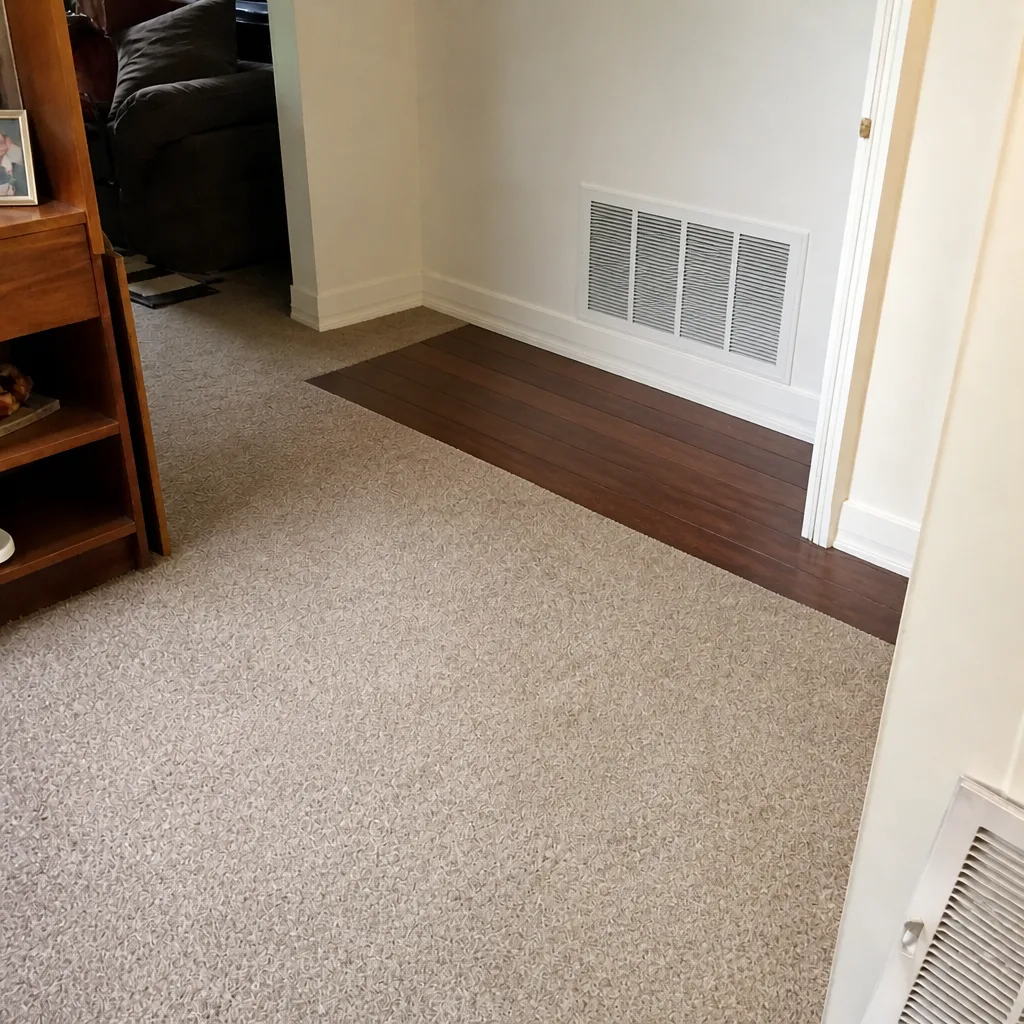
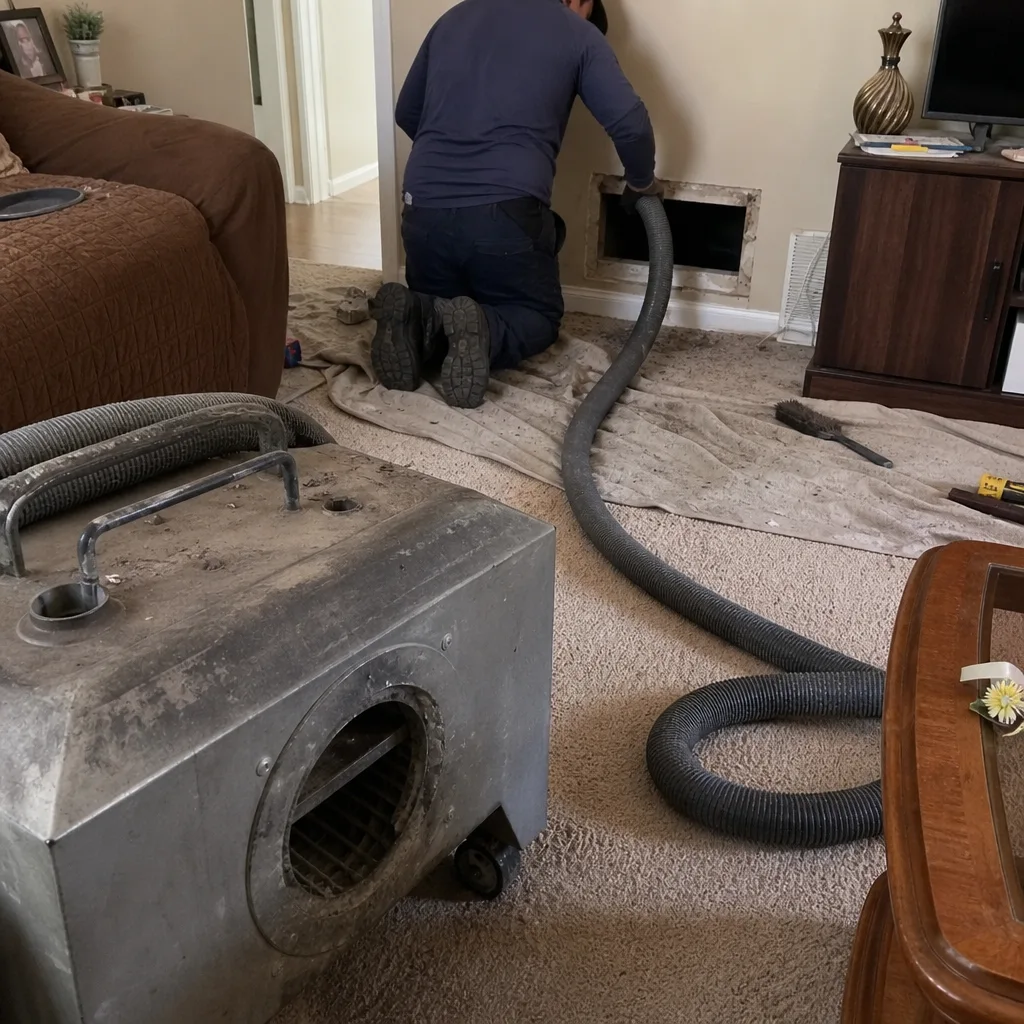
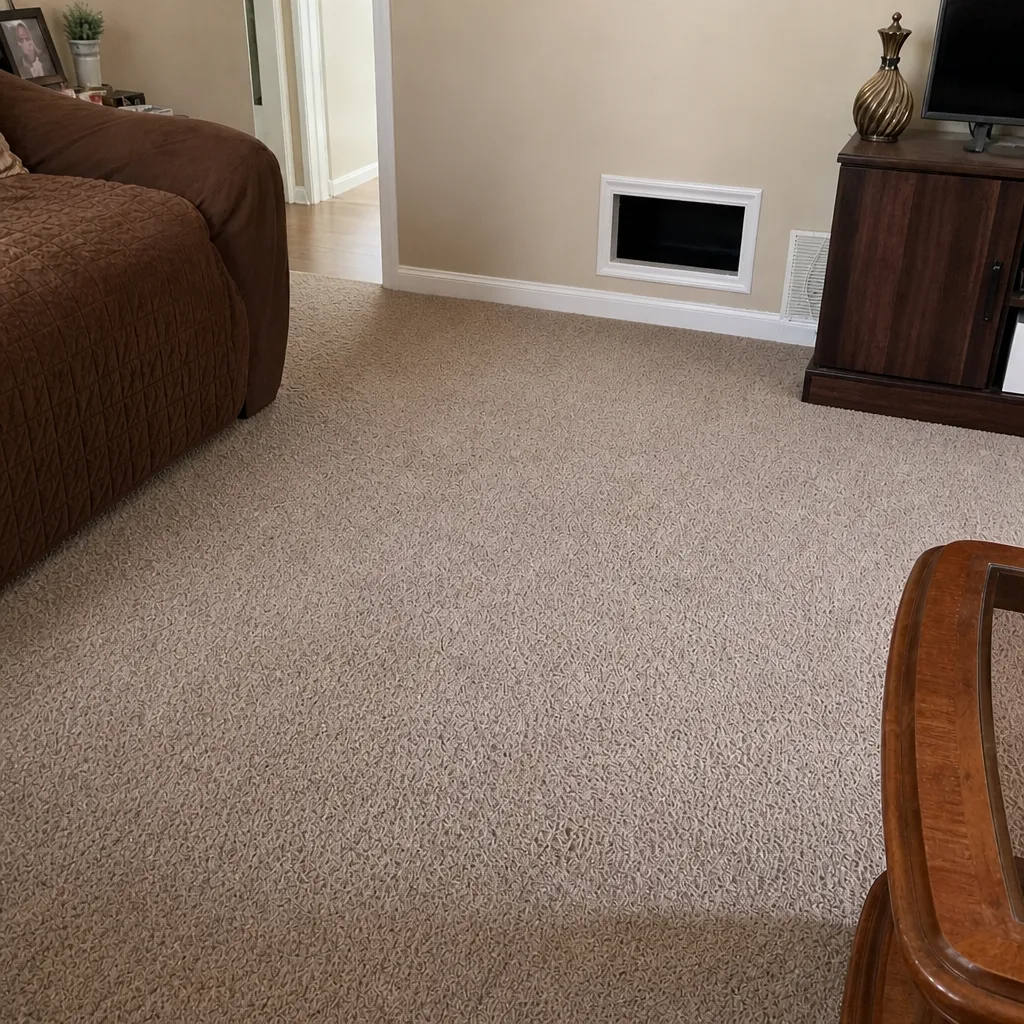
Whole-system duct and dryer vent check with before-and-after photos - you see exactly what came out of your vents
That "$99 whole-house special" is a bait ad - the real number appears once they are in your hallway, or the "clean" is a shop-vac at the register. We photograph the inside of your ducts before and after instead.
DIY vs Professional Air Duct Cleaning: The Lakeland Homeowner’s Decision Guide
Here’s the gap nobody on YouTube shows you. A shop vac taped to a dryer vent brush can clean about 18 inches into a duct run. A truck-mounted extraction system running at 4,000 or more cubic feet per minute of negative pressure pulls on the full length of every trunk and branch line at once. That’s not a small equipment difference you can close with a better attachment at the hardware store. It’s a different category of machine. So the honest question isn’t whether you can clean your ducts yourself. Some parts of the job you genuinely can. The question is where the ceiling on consumer tools sits, and what it costs when a homeowner pushes past it on ductwork that isn’t built for rough handling. In Lakeland, where the housing stock runs toward flex duct in attics that get brutally hot, that ceiling arrives faster than most guides admit. We’ll draw the line honestly: what you can do, what you can’t, and how to tell which camp your home is in.
Quick Answer
Most homeowners can handle the light maintenance around their system – pulling and washing return grilles, swapping filters, and checking the dryer vent – but they can’t reach the trunk lines, branch runs, or the air handler compartment without cutting access into the duct system. Professional cleaning does what DIY can’t: full-length contact cleaning at high negative pressure, with filtration capturing what gets dislodged. The crossover point is when you’ve got visible debris, mold, pest evidence, or flex duct that’s already compromised – that’s when a professional cleaning stops being optional and starts protecting you from a much larger repair bill.
Styles & brands we work with
- Whole-home duct cleaning
- Dryer vent cleaning
- Camera inspection
- Sanitizing & deodorizing
Table of Contents
- What Lakeland Homeowners Can Legitimately Do Themselves
- Why Flex Duct Changes the DIY Calculus
- The Access Point Problem
- The Equipment Gap, Explained
- DIY vs Professional: An Honest Cost Comparison
- When DIY Maintenance Is Actually Enough
- When Professional Equipment Is Non-Negotiable
- Your Dryer Vent: A Special Case
What Lakeland Homeowners Can Legitimately Do Themselves
We’re not going to pretend the whole job is off-limits. There’s real value in what a homeowner can do without specialized equipment, and doing these things well actually extends the life of your system. The key is knowing which tasks fall into the “safe and useful” bucket versus the ones that look simple but can cause damage.
Return register cleaning. The grilles on your return vents collect dust fast, especially in a home with pets or carpet. Pull them off with a screwdriver, wash them in the sink or outside with a hose, dry them fully, and put them back. Same goes for supply registers. This is genuinely useful and takes maybe 20 minutes per room. It also lets you see into the first few inches of the boot behind each register, which can tell you a lot about what’s further down the line.
Filter changes. This is the single highest-value thing you can do on your own. A clogged filter strains your air handler and reduces airflow through the entire system. Check it monthly during heavy-use periods in a Lakeland summer, and change it when it looks loaded – typically every one to three months depending on the filter type and what’s in your home. Use the filter your equipment was designed for. Whether you’ve got a Honeywell or Aprilaire filter cabinet installed, matching the right filter to the right housing matters more than chasing a higher rating.
Dryer vent inspection. You can and should disconnect your dryer, pull the vent run loose where you can reach it, and clear visible lint from the connection points. You can look inside the vent run with a flashlight. What you can’t do is clean the full length of the run, and that’s where the fire risk lives. More on this in a moment.
Visual check-ins. Look at your registers. Does the airflow seem weaker than it used to? Any odd smell when the system kicks on? Any visible dust streaks around the edges? These observations are the input you need for the decision below.
What none of this does is clean the interior walls of your duct system. That’s the part that requires equipment built for it.
Why Flex Duct Changes the DIY Calculus
Most of the residential construction in the Lakeland area uses flex duct – the flexible, insulated ductwork that runs through attics and crawl spaces to deliver conditioned air to each room. It’s fast to install, it’s forgiving of the tight angles and awkward runs in Florida attics, and it’s what you’ll find in the vast majority of homes built in the last few decades. It’s also the reason a wrong-headed DIY cleaning attempt can do more harm than good.
Flex duct has a few features that matter here. The inner liner is a thin, flexible material reinforced with wire. It’s not rigid metal. It’s designed to carry air, not to be scrubbed. When a homeowner takes a stiff brush on a drill or a homemade rig and starts working it down a flex run, the brush can catch on the wire helix, tear the inner liner, or pull the duct off its collar at a connection point. Once the liner is torn, air leaks into the attic instead of reaching your rooms, and now you’re paying to cool a space full of insulation. Once the duct has come loose from a collar, you’ve essentially disconnected a room from the system. These aren’t dramatic failures that announce themselves. You just notice one room doesn’t cool as well, or a particular room stays warmer than it used to.
Professional contact cleaning tools are designed for flex duct. A rotary brush system like the ones we use from Rotobrush is built to graze the duct wall with controlled pressure, agitating debris loose without tearing the liner. The whip or brush head is sized to the duct diameter, and the technician can feel through the tool what’s happening inside the run. Even so, careful technique matters – the equipment being right doesn’t make the hand using it interchangeable.
Repair is where this gets expensive. A torn or disconnected flex run can’t be cleaned and forgotten. It needs to be reconnected, taped and sealed, or in a worse case replaced. That’s the work that falls under duct repair, not cleaning. The DIY attempt that started as saving money can turn into a repair job on top of the cleaning you still have to schedule.
The Access Point Problem
Here’s the unglamorous reason most DIY duct cleaning articles skip past: you can’t clean what you can’t reach. And on a typical Lakeland home, most of the duct system is not reachable with a shop vac from a register opening.
Think about the layout. Your registers are the endpoints. Your trunk line is the main artery – a larger duct that distributes to each branch. The air handler compartment is the box where the blower and coil sit. A shop vac at a register opening can pull on maybe the first couple feet of a branch line in the direction of the run. Anything past 18 inches or so and you’re guessing. The trunk line is behind a boot or a transition that may not be visible from the register at all. The air handler compartment isn’t accessible from a register.
Professional cleaning cuts access points where it needs them. Sometimes a small opening at the plenum, sometimes an access panel near a transition, sometimes at the air handler. These are standard techniques in the trades – planned cuts, properly sealed after cleaning. That’s the invisible engineering that most consumer tools don’t have. And it’s where the “full-system” reality sits: cleaning that leaves the trunk lines and the air handler untouched isn’t really cleaning the system, it’s washing the visible bits.
During cleaning, we deploy Abatement Technologies HEPA filtration to capture the dust and debris being dislodged so it doesn’t simply move from the ducts into your living space. That’s a piece of the job nobody at the hardware store can replicate at home. You’d need negative pressure in the duct system, a filtration unit rated for fine particulate, and somewhere to exhaust the air that isn’t your kitchen.
The Equipment Gap, Explained
Here’s a straightforward look at what consumer equipment can and can’t do, and what a professional setup adds. This is the part that gets glossed over, so we’ll lay it out plainly.
- Airflow and negative pressure. A shop vac pulls a few inches of water column. A truck-mounted extraction unit pulls thousands of cubic feet per minute at the source. That’s the difference between loosening top-layer dust and pulling the debris that’s actually attached to the duct wall.
- Contact cleaning. Vacuum alone doesn’t remove the film that sticks to a duct wall. A rotary brush physically agitates the surface. This is what “contact cleaning” means, and it’s the core of a real duct job. Professional rotary systems like the Rotobrush line are built for this.
- Working length. A shop vac hose is maybe six to ten feet, and it’s useless past the first bend in a duct. Professional tools feed rotary heads tens of feet down a run.
- Dust containment. Without high-efficiency filtration at the work zone, a home cleaning job can move more dust into the air than it removes from the ducts. HEPA capture during cleaning is standard on professional jobs.
- Air quality component awareness. If your home has Honeywell or Aprilaire components installed, the cleaning path has to account for those – the filter cabinet, the bypass humidifier if present, and how air handlers interact with them. Consumer tools don’t factor any of that in.
The Nikro extraction equipment we use represents a commercial tier of capability, not consumer-grade. That’s not marketing language, it’s a category: commercial extraction, commercial rotary agitation, commercial filtration. The gap between a shop vac and a Nikro system is roughly the gap between a garden hose and a fire engine. Both move water. Only one moves the volume that matters.
DIY vs Professional: An Honest Cost Comparison
The obvious DIY pitch is that it’s free. It’s not, once you account for what it actually involves. A real cleaning attempt means renting or buying tools, setting aside most of a day, and accepting some risk of damage to the duct system. Here’s how the math shakes out.
| Approach | What It Costs | What You Get |
|---|---|---|
| Register and filter maintenance | Low cost for filters, no tools needed | Clean grilles, extended filter life, better airflow through the visible system |
| DIY attempt with rented or purchased gear | Equipment cost plus a full day of your time | Cleaning of the first foot or two of each branch line; risk of flex duct damage; no access to trunk lines or air handler |
| Professional full-system cleaning | Quoted per system after an on-site assessment | Contact cleaning of every trunk and branch line, air handler access, HEPA capture during work, dryer vent cleaning available in the same visit |
| Repair after DIY damage | Separate service; needed when flex runs are torn or disconnected | Restored duct integrity before cleaning makes sense again |
The middle row is where the hidden cost sits. When a homeowner rents a dryer vent brush kit and tries to push it through flex duct, the most likely outcome is that a liner tears or a joint comes loose. That’s not a hypothetical, it’s a common one. Now you’re paying for repair work you didn’t plan on, and you still haven’t cleaned the system. The professional cleaning you were avoiding is still the next phone call.
The other cost the DIY frame leaves out is time. A full day spent in a 130-degree attic in a Florida summer to clean 18 inches of a handful of branch lines isn’t a deal, it’s a bad trade. When you compare against a written estimate from a company that shows up with the right equipment, the pricing usually lands where you’d expect it to for a job done right – and it’s done in one visit.
When DIY Maintenance Is Actually Enough
Not every home needs a full professional cleaning right now. If your ducts were cleaned recently, you’ve got a good filter schedule, your registers look clean, and you haven’t had a renovation or any sign of a problem, the maintenance tasks above are genuinely the right answer. We’d rather tell you that than sell you work you don’t need.
DIY maintenance is enough when:
- Your system was professionally cleaned recently and you’ve maintained the filter schedule since.
- You haven’t had recent renovations, and no debris from drywall, insulation, or demolition has had a path into the ducts.
- Your registers look clean and you don’t see dust streaks around the boot edges.
- Airflow is consistent room to room and you haven’t noticed a decline.
- No mold, musty smell, or pest evidence in the visible ductwork.
- Your dryer vent is clear and the run is short (which we’ll talk about below).
In that situation, keep doing the register and filter routine. Watch for the conditions in the next section, and plan on a professional cleaning on a reasonable cycle rather than reacting to a problem.
When Professional Equipment Is Non-Negotiable
Some conditions flip the decision from “DIY is fine” to “DIY will make this worse.” If you’re in one of these situations, this isn’t a maintenance decision anymore.
- Recent renovation debris. Drywall dust, sawdust, insulation particles, and construction grit get pulled into the return system during a remodel. Consumer tools can’t pull them from the trunk lines, so they keep recirculating every time the air handler runs.
- Visible mold or a persistent musty smell. Mold in a duct system is a signal that moisture is getting in and staying in. Cleaning alone doesn’t fix the moisture source, and duct cleaning isn’t mold remediation – but a professional assessment is the right first step to know what you’re actually dealing with.
- Pest evidence. Droppings, nesting material, or signs that rodents have used the system. This is not a shop-vac situation – it’s a full-system cleaning with proper containment and, in some cases, a repair visit if the flex has been chewed through.
- Damaged or disconnected ductwork. A flex run that’s fallen off its collar or has a torn liner is delivering less air to the room it serves. Cleaning without repair just recirculates the problem.
- Older homes that have never had the ducts cleaned. Decades of accumulated dust in the walls of the duct system isn’t something light maintenance touches.
- Allergy symptoms that seem tied to airflow. If you notice symptoms get worse when the system is running, it’s worth having the ducts looked at with real equipment.
- Weak airflow to specific rooms. Often a sign of a disconnected or obstructed run somewhere past the register – something a professional can trace and repair.
We bring Guardsman-associated protective treatments into the scope where they make sense, and we work with Honeywell and Aprilaire components you already have installed. The point isn’t to add options, it’s to leave your system better sealed and more consistent in how it delivers air than we found it. Full-system thinking: clean ducts, sealed repairs, clear vents.
Your Dryer Vent: A Special Case
Dryer vent cleaning deserves its own section because it’s the one part of this conversation where the stakes go beyond air quality. Lint is highly flammable, and a dryer vent run that’s loaded with lint is one of the leading household fire risks in the country. Treating it as an add-on at the end of a duct job doesn’t fit the risk.
Here’s what a homeowner can do: disconnect the dryer, look into the vent at the dryer side, clear visible lint from the short flexible section, and check the outside termination for blockage. That’s the limit. The long run behind the dryer, through the wall, and out the side of the house – that section is what fills up over years, and it’s what causes fires. You can’t clean it with a shop vac and a hand brush effectively, and you can’t inspect it visually.
Professional dryer vent cleaning uses a rotary brush fed down the full length of the run, with the dislodged lint captured at the source. We treat it as a dedicated service because it is one. If it’s been more than a year, or if your dryer takes longer to dry a load than it used to, that’s the signal to have it looked at.
One more note on shorter runs: if the duct run in question is a short, accessible length that a homeowner can see end to end, DIY maintenance handles it. A dryer vent that snakes through a wall, has multiple elbows, or is impossible to inspect is not that case.
Common Mistakes to Avoid
- Using a stiff rotary brush on flex duct without knowing what you’re doing. Hardware store duct cleaning kits are designed for metal duct, not the insulated flex that’s actually in your walls. The brush catches on the wire helix and tears the inner liner, and now you’re paying for repair on top of cleaning. Professional contact cleaning tools are sized to the duct and used with feel, which is a skill, not an attachment.
- Cutting a homemade access hole in the plenum or trunk. A cut that isn’t planned, sized, and sealed properly leaves an air leak into the attic. In a Lakeland summer, that leak pulls hot humid attic air into your system. Let a professional cut and seal access where it’s needed.
- Spraying a cleaning solution into the vents without pulling the debris first. That’s wetting dust, not removing it. It dries into a harder film on the duct wall and the dust is back, worse. The right sequence is agitate, extract, then treat – not spray and walk away.
- Skipping the filter schedule after a DIY clean. The filter is what keeps the work you did from being undone in a month. A loaded filter is the biggest single strain on your air handler and the fastest way to lose the benefit of any cleaning.
- Treating the dryer vent as optional maintenance. It’s the fire-risk part of the system. A shop vac at the dryer end doesn’t clean the run, and cleaning the lint trap doesn’t either. Full-length cleaning with the right tool matters.
- Assuming a cheap coupon cleaning is comparable to professional full-system cleaning. A low-bid operation with a shop vac and a leaf blower can be in and out of your attic in 30 minutes. That’s not the same work as full-length contact cleaning with commercial extraction and filtration. Compare what’s actually being done, not just the price on the postcard.
- Putting off professional cleaning because “the ducts still work.” Ducts that work aren’t the same as ducts that are clean. Weak airflow, higher energy bills, and repeated allergy symptoms in a Lakeland home are often signs the system is loaded with debris it can’t move past.
See the difference
 Before
 After
 Before
 After
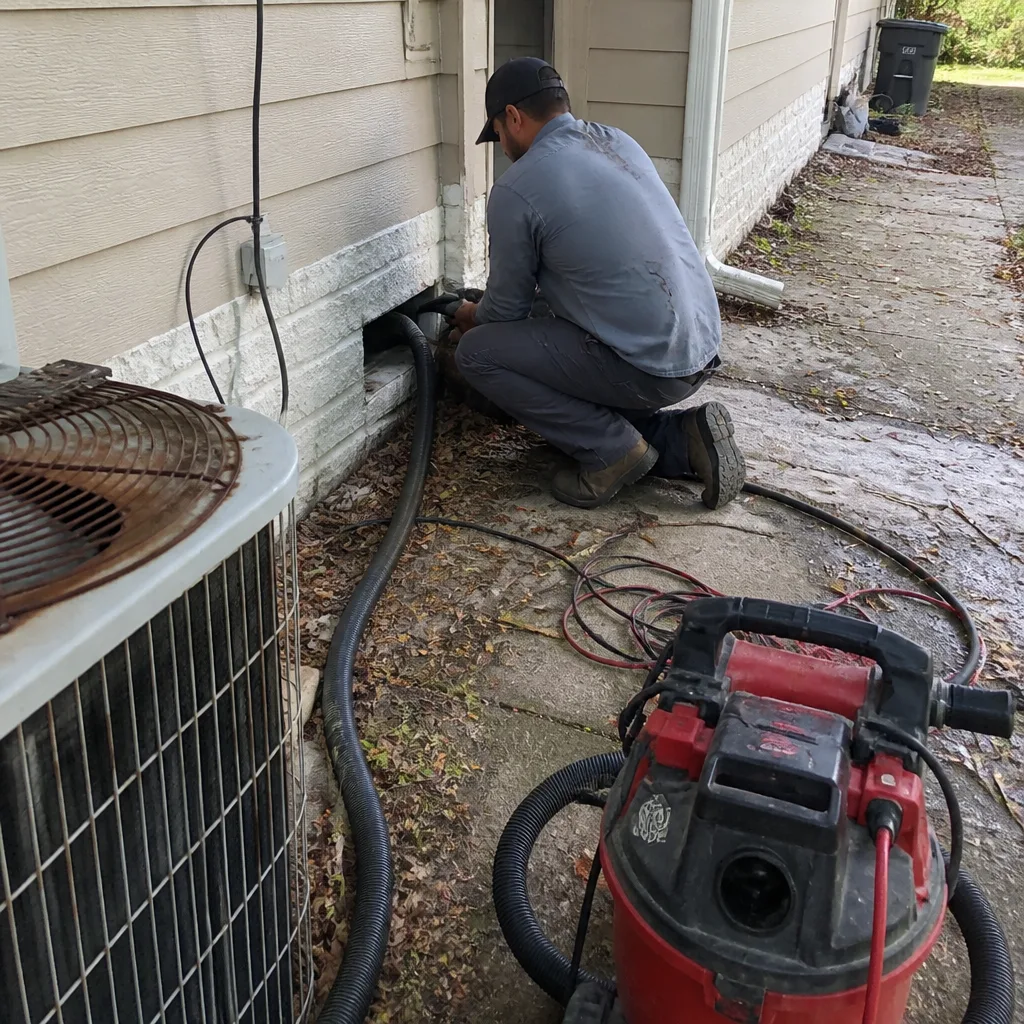 Before
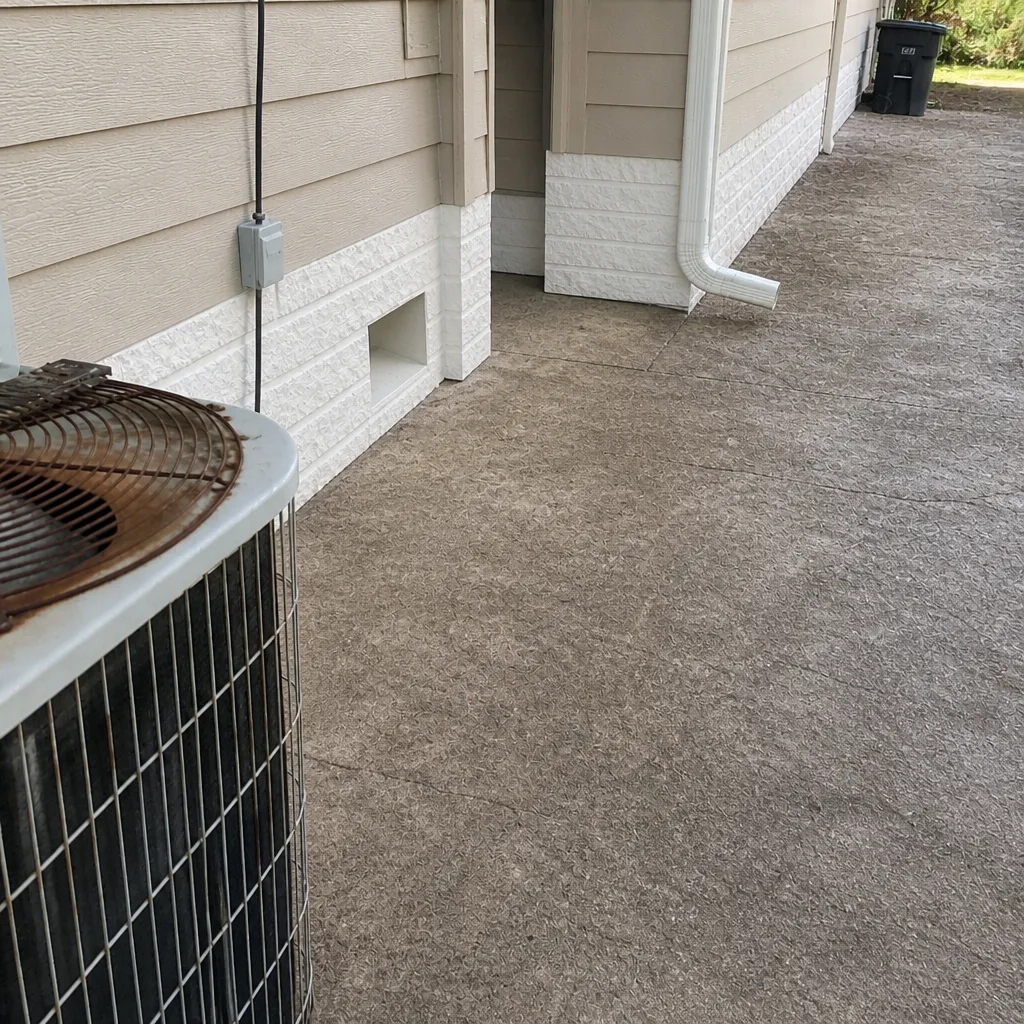 After
When to Call a Professional
Call for a professional assessment if you’re in any of these situations: your home has had recent renovations, you see or smell mold in the vents, you’ve noticed pest evidence, airflow to one or more rooms has dropped, your ducts have never been cleaned in an older home, your dryer vent hasn’t been cleaned recently, or you’ve attempted a DIY clean and the ductwork is now damaged. Those aren’t maintenance questions anymore, and the equipment to handle them doesn’t live at a hardware store. Lakeland Duct Cleaning offers free estimates in Lakeland – call (855) 360-9053. We answer 24/7. Fast dispatch from 7am to 7pm, Sunday through Friday.
Frequently Asked Questions
You can handle the outer maintenance – pulling and washing registers, changing filters, and inspecting the dryer vent – but you can’t clean the trunk lines, branch runs, or the air handler compartment without cutting access into the ductwork. Consumer tools reach about 18 inches into a run. That’s the honest limit. A full-system cleaning needs commercial extraction, rotary contact cleaning, and HEPA filtration during the work. Call (855) 360-9053 for an exact quote – estimates are free.
Pricing is set per system after a free on-site estimate, not per vent or per coupon price. The number depends on the size of your home, how many zones the system has, the condition of the flex duct, and whether repair or dryer vent cleaning is part of the same visit. We give a written estimate that locks in the price before work begins. Call (855) 360-9053 for an exact quote – estimates are free.
Cheap quotes usually involve a shop vac and a blower, not commercial extraction and contact cleaning. Those jobs can be done in under an hour and don’t touch the trunk lines or the air handler. The real cost difference is what’s happening inside the walls. Ask any contractor what equipment they use, whether they cut access to the trunk lines, and whether they capture debris with HEPA filtration during the work. The answer tells you whether the quote is really the same service. Call (855) 360-9053 for an exact quote – estimates are free.
Ask for before-and-after photos of your own ducts. That’s the simplest verification, and it’s why we take them on every job. It’s not a marketing gesture – it’s the record. Combined with a written scope of what’s being cleaned and how access is being made, you have a clear picture of the job. Call (855) 360-9053 for an exact quote – estimates are free.
Most homes benefit from a professional cleaning on a multi-year cycle, not annually. The exceptions are homes with recent renovations, pets, allergies, or never-cleaned older ductwork – those need it sooner. In between, the register and filter maintenance you do at home makes a real difference. If you’re unsure, the on-site estimate is the right way to get a straight answer. Call (855) 360-9053 for an exact quote – estimates are free.
Yes, particularly on flex duct. Stiff brushes catch on the wire helix and tear the inner liner, and a brush that binds can pull a duct off its collar at a joint. Both leave you with a disconnected or leaking run that needs repair before cleaning makes sense again. Professional contact cleaning tools are designed for this and used with feel. If you’re worried that a DIY attempt has already caused damage, we can look at it and tell you what’s needed.
The Bottom Line
DIY air duct maintenance is real but narrow. Register cleaning, filter changes, and visual inspection are worth doing, and so is checking the dryer vent at the dryer end. Past that ceiling, the tools stop reaching, and the risk of tearing flex duct starts to rise. If your home is in a heavy-use cycle, has recent renovation debris, shows signs of mold or pests, has weak airflow to a room, or has a dryer vent that’s overdue, that’s the signal to bring in professional equipment. Our technicians have up to 8 years of experience, and we use commercial-grade contact cleaning and filtration on every job. When you’re ready, reach out for a free estimate.
If you’re looking for professional duct cleaning in the area, Lakeland Duct Cleaning provides air duct cleaning and system cleaning for homeowners across Lakeland. If you want to see what else we handle beyond cleaning, our dryer vent cleaning page covers the fire-safety side of the system, and air duct cleaning covers the full scope of what a proper cleaning includes.
Call (855) 360-9053 for a free estimate. We answer 24/7. Fast dispatch from 7am to 7pm, Sunday through Friday.
Written by the team at Lakeland Duct Cleaning.